By Victor Fanuel
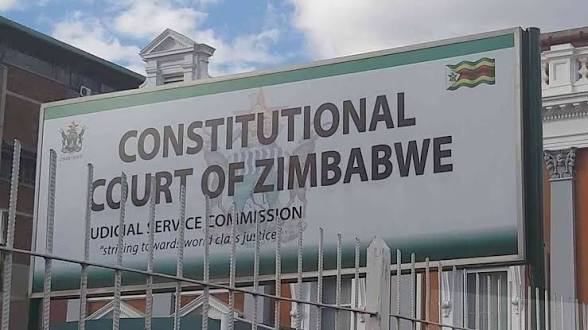
HARARE — The Constitutional Court on Wednesday dismissed two separate applications seeking to stop President Emmerson Mnangagwa and Parliament from advancing the controversial constitutional reforms.
A full bench of the Constitutional Court, chaired by Justice Bharat Patel, threw out an application by six liberation war veterans challenging Mnangagwa’s role in the approval of the Bill and dismissed a separate application by former legislator Prince Dubeko Sibanda aimed at halting parliamentary debate on the proposed amendments.
The court ruled that the war veterans’ application failed to meet key legal requirements, while Sibanda’s challenge was premature.
The decision marks another legal victory for the government as it pushes ahead with constitutional changes that include extending presidential terms from five to seven years and altering the presidential election system.
Lawyer Sylvester Hashiti, representing Mnangagwa and Attorney-General Virginia Mabhiza, said the applicants had failed to establish any legal basis for their claims.
“They failed to establish anything that we have done wrong in terms of the law and therefore they have no cause of action and the matter was struck off the roll on merits,” Hashiti told journalists after the ruling.
The war veterans had argued that Mnangagwa violated the Constitution by presiding over Cabinet discussions that approved the draft legislation despite allegedly having a personal interest in the proposed amendments.
They contended that Mnangagwa breached constitutional obligations requiring him to uphold the Constitution and avoid conflicts between personal interests and public duties.
Representing the applicants, Professor Lovemore Madhuku said the Constitutional Court declined to exercise jurisdiction over the matter.
“The Constitutional Court has said it will not entertain the matter on the basis that, although the president has duties we have indicated, those duties are not specific enough to allow the Constitutional Court to exercise its jurisdiction,” Madhuku said.
He said the court held that the dispute should first be determined by the High Court.
“This means that the application ought to have been brought before a lower court, that is the High Court, to determine those roles and then it goes up to the Constitutional Court through the normal processes,” he said.
Madhuku said his clients had already instructed him to pursue the matter in the High Court.
“We have been given instructions by the applicants to file the matter at the High Court so that it can then determine those broad duties because they are not clear,” he said.
On Sibanda’s application, Madhuku said the challenge could be refiled if Parliament passes the Bill, a vote that could come as early as Friday.
Several other legal challenges against the proposed constitutional amendments remain before the courts, including an application by rights activist Youngerson Matete, who argues that the changes should be subjected to a national referendum before they can be enacted.