By Marshall Bwanya
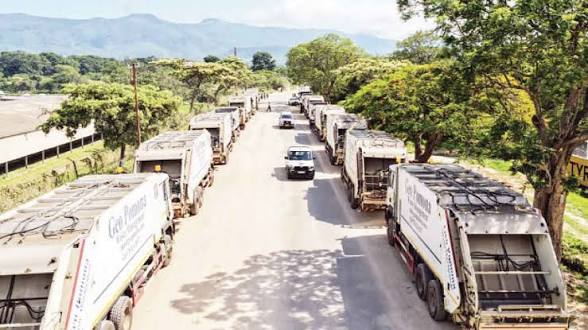
HARARE — Every morning, refuse trucks from Geo Pomona snake through Harare’s suburbs collecting yesterday’s leftovers.
Plastic bottles, food scraps, cardboard, broken furniture and garden waste all end up in the same place.
For the past two decades the City of Harare’s relationship with rubbish has been simple, collect it, dump it and forget about it.
That mentality over the years has produced overflowing illegal dumps, blocked drains, polluted streams and the sprawling Pomona dumpsite, which for decades stood as a monument to Harare’s worsening waste crisis.
From dumpsite to resource: The Geo Pomona vision
But what if rubbish was never meant to end up in a landfill?
What if every bag of waste carried the potential to generate electricity, create jobs, recover recyclable materials and restore degraded land?
That is the vision driving Geo Pomona Waste Management, where executive chairman and chief executive Dr Dilesh Nguwaya believes Zimbabwe must stop viewing waste as an environmental burden and start treating it as an economic resource.
“Geo Pomona is not just managing waste — it is helping Zimbabwe move towards clean energy and sustainable development,” Nguwaya has said, describing the philosophy behind the project.
His philosophy reflects a growing global reality.
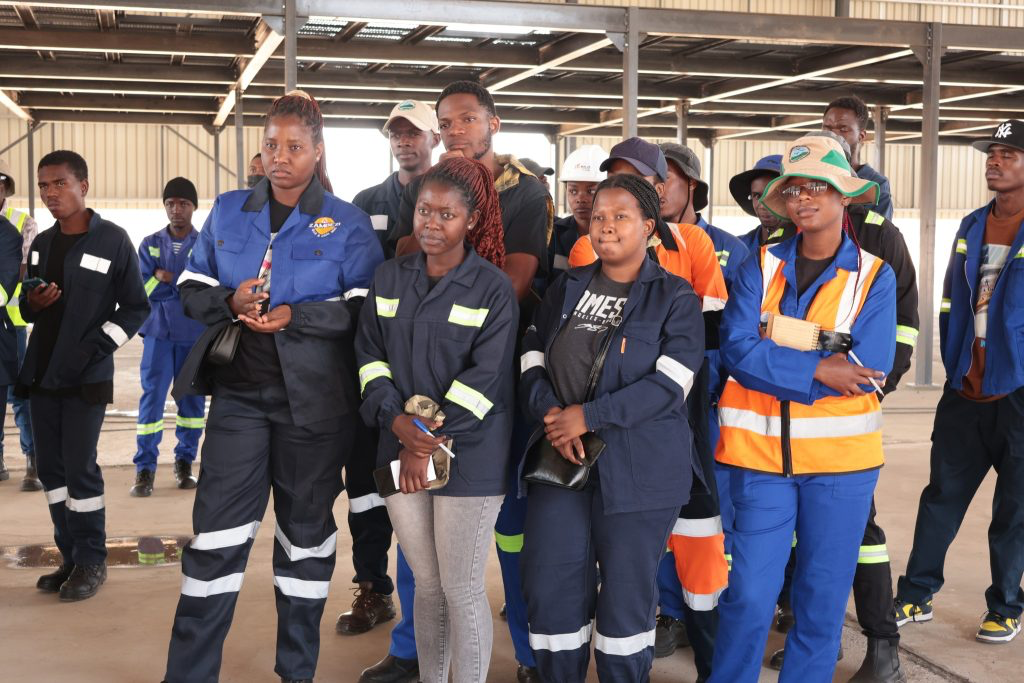
Around the world, cities no longer measure successful waste management by how much rubbish they bury.
They measure it by how much value they recover.
Waste has become fuel, raw material and a source of renewable energy.
Harare, Nguwaya argues, can no longer afford to remain trapped in yesterday’s model.
The urgency is difficult to ignore.
Harare’s growing population generates thousands of tonnes of waste every week, stretching a municipal system that has struggled for years with ageing equipment, inadequate landfill capacity and illegal dumping.
During the rainy season, rubbish clogs storm-water drains, contributing to flooding in the Central Business District (CBD) and numerous residential areas.
Across many suburbs in the capital, open spaces have become informal dumpsites, bringing foul odours, vermin and public health risks closer to residents’ homes.
Geo Pomona’s answer is not simply to collect more refuse.
It is to change what happens after the refuse is collected.
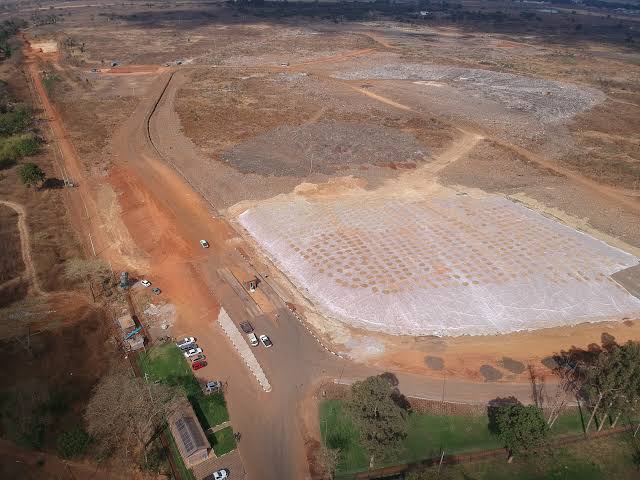
The former Pomona dumpsite, once synonymous with smoke, methane emissions and environmental degradation, is being redeveloped into an integrated waste management facility anchored by waste-to-energy technology.
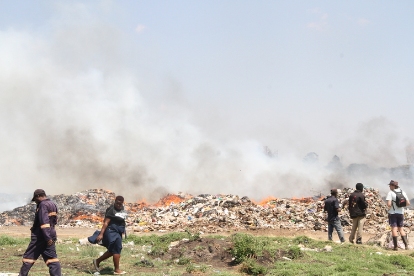
Instead of burying waste indefinitely, recyclable materials are recovered first before the remaining refuse is processed to generate electricity.
The model reduces landfill volumes, cuts greenhouse gas emissions and creates economic value from materials that previously had none.
Changing Harare’s relationship with waste
For Nguwaya, however, the technology is only part of the story.
He argues that Zimbabwe’s biggest challenge is not simply building infrastructure, but changing how society views waste.
The transition requires households, businesses and municipalities to move away from the traditional habit of collecting and dumping towards separation, recycling and recovery.
“Waste is no longer only a sanitation issue, it is an economic, energy and industrial development issue,” Nguwaya has said, arguing that Africa’s growing waste challenge also presents an opportunity for innovation and investment.
Signs of that transformation are already emerging across Harare.
The company has worked with authorities to remove illegal dumps from several high-density suburbs, including Mbare, Highfield, Budiriro, Warren Park, Kambuzuma and Kuwadzana, areas where uncollected refuse had become a familiar feature of daily life.
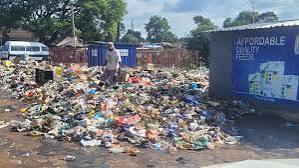
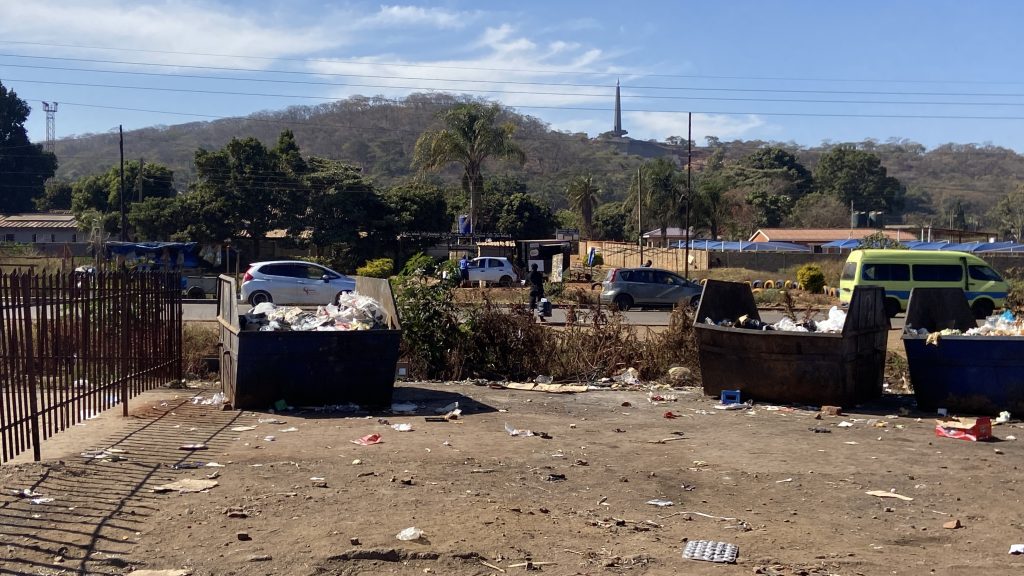
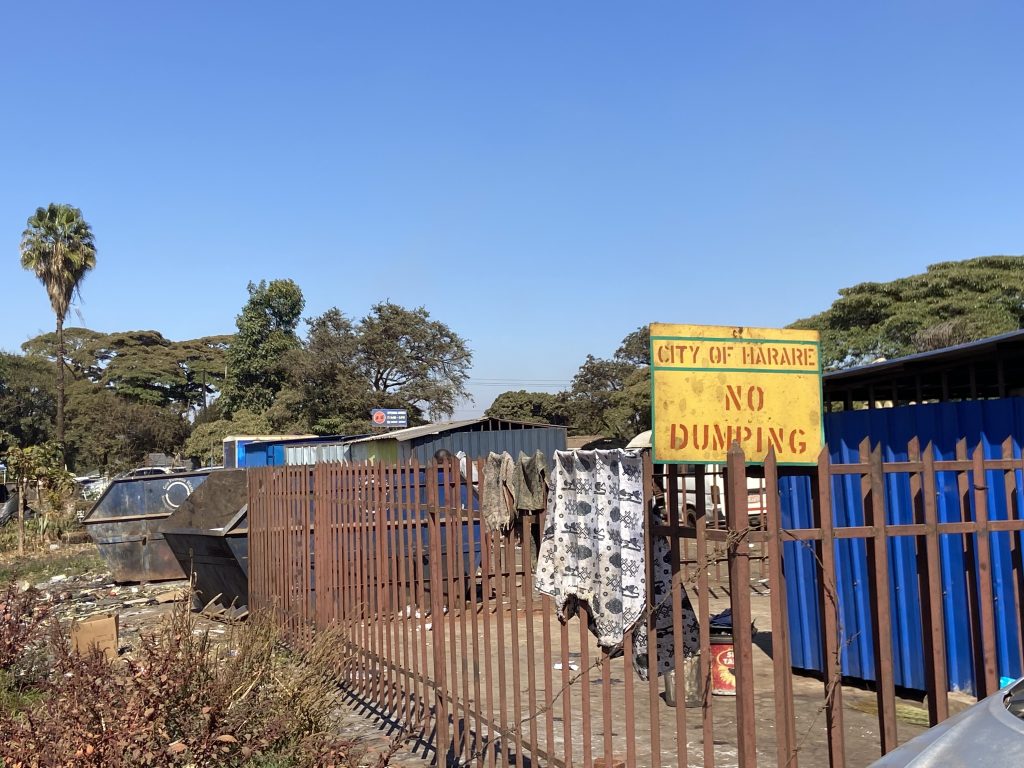
Geo Pomona says it has removed tens of thousands of tonnes of illegally dumped waste while extending refuse collection into communities that had gone for prolonged periods without regular service.
The impact goes beyond cleaner streets.
Clearing illegal dumps reduces blocked drainage systems, discourages disease vectors, improves public health and restores dignity to neighbourhoods that had become associated with neglect.
Cleaner environments also create opportunities for investment, recreation and urban renewal.
The transformation at Pomona dump site itself tells an equally striking story.
Where smoke once billowed from burning refuse, engineered landfill cells, weighbridges, leachate treatment systems and modern waste-handling infrastructure now define the site.
Landscaped areas have replaced sections once buried beneath mountains of garbage, illustrating how environmental rehabilitation can accompany infrastructure development.
Power from rubbish — Why waste-to-energy matters
Yet the project’s greatest promise lies ahead.
Geo Pomona plans to generate between 16 and 22 megawatts of electricity from municipal waste, enough to contribute power to Zimbabwe’s national grid.
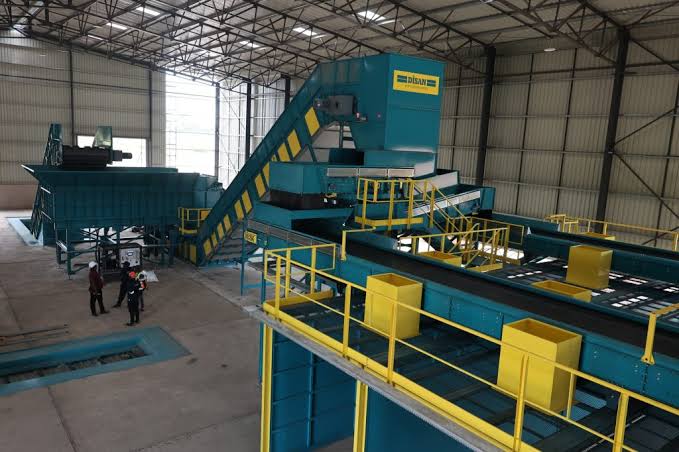
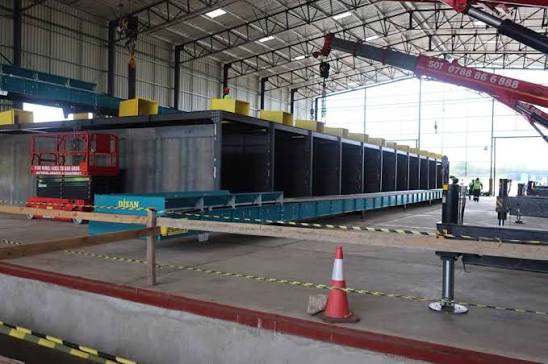
Nguwaya says the project is designed to demonstrate that waste can become part of the country’s energy solution rather than remaining an urban problem.
“We want to show the world that we are not here to play,” Nguwaya said, describing the project as part of a broader push towards sustainable waste management and energy generation.
Harare is not pioneering this idea alone.
Across Africa, governments are embracing waste-to-energy as populations grow and landfill space shrinks.
Ethiopia’s Reppie plant in Addis Ababa converts municipal waste into electricity while reducing pressure on the city’s former Koshe dumpsite.
South Africa operates landfill gas-to-electricity projects in Johannesburg, Durban and Cape Town, capturing methane that would otherwise escape into the atmosphere.
Egypt and Morocco have integrated waste recovery into broader renewable energy and environmental sustainability programmes.
The global lesson: Turning waste into wealth
Beyond Africa, countries including Sweden, Denmark, Germany and Japan have demonstrated that waste can become a reliable source of clean energy.
In Sweden, so little residual waste ends up in landfill that some municipalities import waste from neighbouring countries to keep waste-to-energy plants operating.
Those countries reached that stage not simply through technology but through decades of public education that changed how citizens think about waste.
That may be the biggest lesson for Zimbabwe.
Modern waste management requires more than trucks and machinery.
It demands a cultural shift. Households must embrace waste separation.
Businesses must invest in recycling.
Local authorities must enforce responsible disposal.
Citizens must understand that every plastic bottle, food scrap or cardboard box has potential value before it reaches a landfill.
The challenge facing Harare is therefore not only technological, it is behavioural.
For decades, residents have been conditioned to see waste as something that disappears once a refuse truck collects it.
But modern waste systems depend on citizens becoming active participants in the process.
Sorting waste at household level, reducing unnecessary dumping and supporting recycling initiatives are all critical parts of creating a circular economy.
Nguwaya believes this mindset shift is central to Geo Pomona’s long-term success.
“The future of waste management is not about finding bigger places to dump rubbish.
“It is about finding ways to recover value from what we throw away,” he has said.
The transformation of Pomona is therefore not only about what happens inside the facility’s boundaries.
It is about changing the relationship between Harare residents and the waste they produce every day.
Taking the Pomona model beyond Zimbabwe
The company’s ambitions now extend beyond Zimbabwe’s borders.
Geo Pomona’s model has attracted interest from other African countries searching for solutions to growing urban waste challenges. Nguwaya has argued that African countries should begin viewing waste as an opportunity rather than simply a sanitation problem, particularly as cities expand and energy demand increases.
“Africa’s waste challenge is growing rapidly with urbanisation, population growth and climate pressure, but this is also one of the continent’s clearest infrastructure opportunities,” he has said.
In August 2024, then-Madagascar President Andry Rajoelina was among the regional leaders who visited the Geo Pomona facility in Harare during the 44th SADC Summit and expressed interest in learning from Zimbabwe’s waste management experience
This engagement was followed by a September 12–16, 2024 knowledge-sharing mission to Madagascar, where a Geo Pomona delegation led by Nguwaya met senior government officials and explored possible areas of collaboration in sustainable waste management and waste-to-energy solutions.
The delegation visited waste disposal sites in Antananarivo, including the Andralanitra landfill, where officials discussed challenges similar to those Zimbabwe had previously faced before the rehabilitation of Pomona.
Discussions focused on how waste recovery, landfill rehabilitation and energy generation models could be adapted to Madagascar’s own environmental challenges.
Geo Pomona has also been exploring opportunities in Lesotho, where discussions have focused on how elements of the Harare model could potentially be adapted to local conditions.
These engagements include technical assessments and knowledge-sharing around integrated waste management approaches that combine waste collection, recycling, controlled disposal and energy recovery.
Waste management interests from Madagascar and Lesotho reflects a wider continental search for solutions.
Many African cities face the same challenges as Harare — rapidly growing populations, limited landfill space, weak waste collection systems and rising pressure on urban infrastructure.
Across the continent, governments are increasingly moving away from traditional dumping methods.
Ethiopia’s Reppie Waste-to-Energy Plant in Addis Ababa remains one of Africa’s most notable examples, converting municipal waste into electricity while reducing dependence on the city’s former Koshe dumpsite.
South Africa has expanded landfill gas-to-energy projects, capturing methane from waste sites and converting it into electricity.
Egypt and Morocco have also invested in waste recovery programmes as part of broader strategies to improve sanitation, reduce emissions and expand renewable energy sources.
The lesson from these countries is that waste management cannot be treated as a purely municipal responsibility.
It is an economic sector that requires investment, innovation and public participation.
A blueprint for Zimbabwe’s cities
For Zimbabwe, the opportunity is significant.
Every city and town faces the same question Harare is confronting today.
What happens when waste volumes continue rising and traditional dumping systems reach their limits?
Bulawayo, Mutare, Gweru, Masvingo, Chitungwiza and other urban centres will eventually require modern waste management solutions of their own.
Replicating the Geo Pomona approach could help municipalities reduce illegal dumping, improve public health, create employment and generate energy from a resource they already produce every day.
The future success of waste-to-energy, however, will depend on more than infrastructure.
It will depend on trust, transparency and public acceptance.
Communities must understand the benefits.
Authorities must maintain strong environmental standards. Waste facilities must operate responsibly.
The final test is changing minds
For years, Pomona represented everything that was wrong with Harare’s waste management system — pollution, neglect and a growing environmental crisis.
Today, it represents a different possibility.
It is a test of whether Zimbabwe can turn one of its biggest urban challenges into an opportunity for cleaner cities, renewable energy and economic growth.
The real transformation will not simply be measured by the electricity generated or tonnes of waste processed.
It will be measured by whether Zimbabweans begin to see waste differently.
Because in the modern economy, rubbish is no longer the end of the story.
It can be the beginning of another.