By Victor Fanuel
CHEGUTU — A vacancy of more than four years in the Mashayamombe chieftaincy has reignited a long-running struggle over traditional authority, sacred shrines, and ancestral land in Mhondoro and Chegutu.
Members of the Mashayamombe royal family accuse senior traditional leaders of undermining efforts to install an acting chief while encroaching on territory they say has belonged to the dynasty for centuries.
Documents seen by NewsHour, together with oral traditions preserved by the Mashayamombe royal lineage, reveal that the succession dispute is intertwined with broader questions about the restoration of traditional governance structures, the protection of cultural heritage and unresolved colonial-era boundary changes.
Constitutional framework and customary succession
Under Zimbabwe’s Constitution and the Traditional Leaders Act, the appointment of chiefs is intended to follow the customs, traditions and practices of the community concerned rather than political preference.
Section 283 of the Constitution provides that chiefs are appointed in accordance with customary law after the relevant succession processes have been followed, with the President making the formal appointment on the recommendation of the responsible minister through the Local Government, Public Works and National Housing.
Across Zimbabwe, traditional succession is typically determined by the ruling royal lineage, whose elders identify a successor according to established hereditary customs before the recommendation is transmitted through government administrative structures for formal recognition.
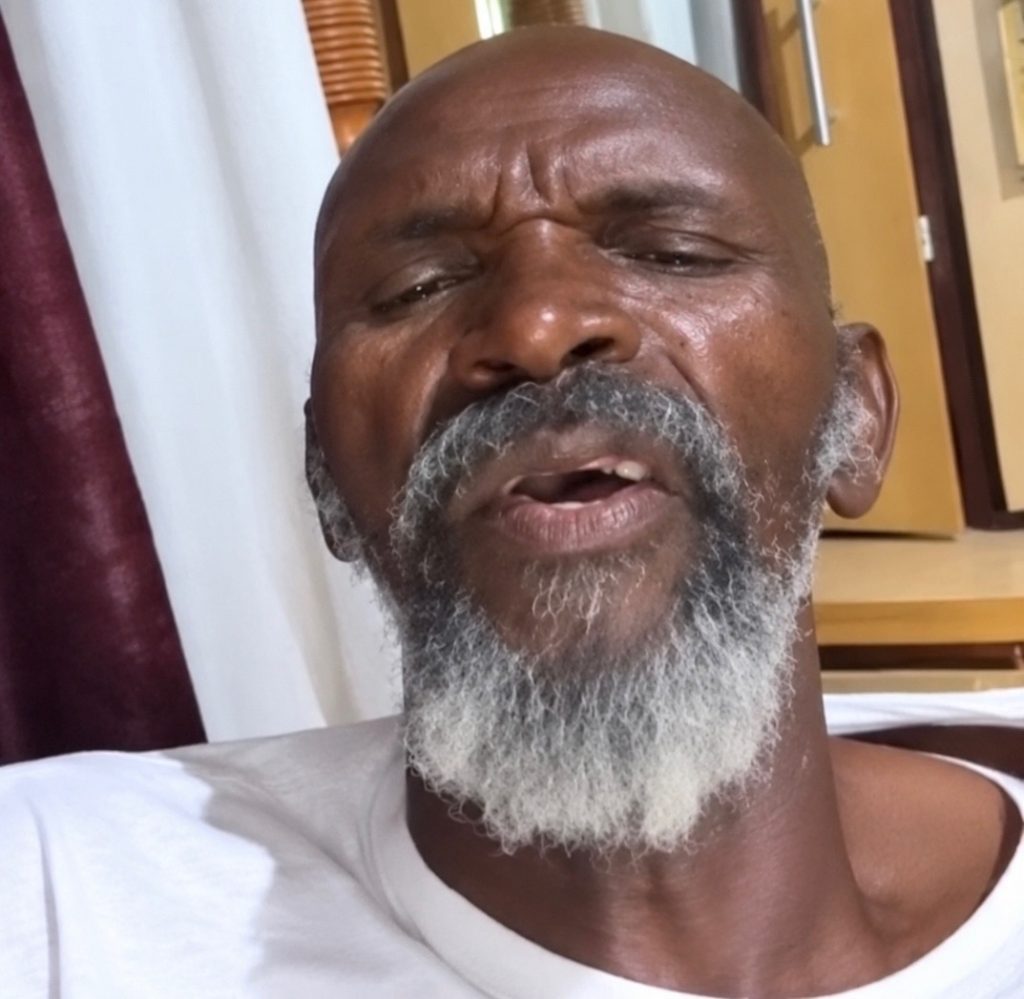
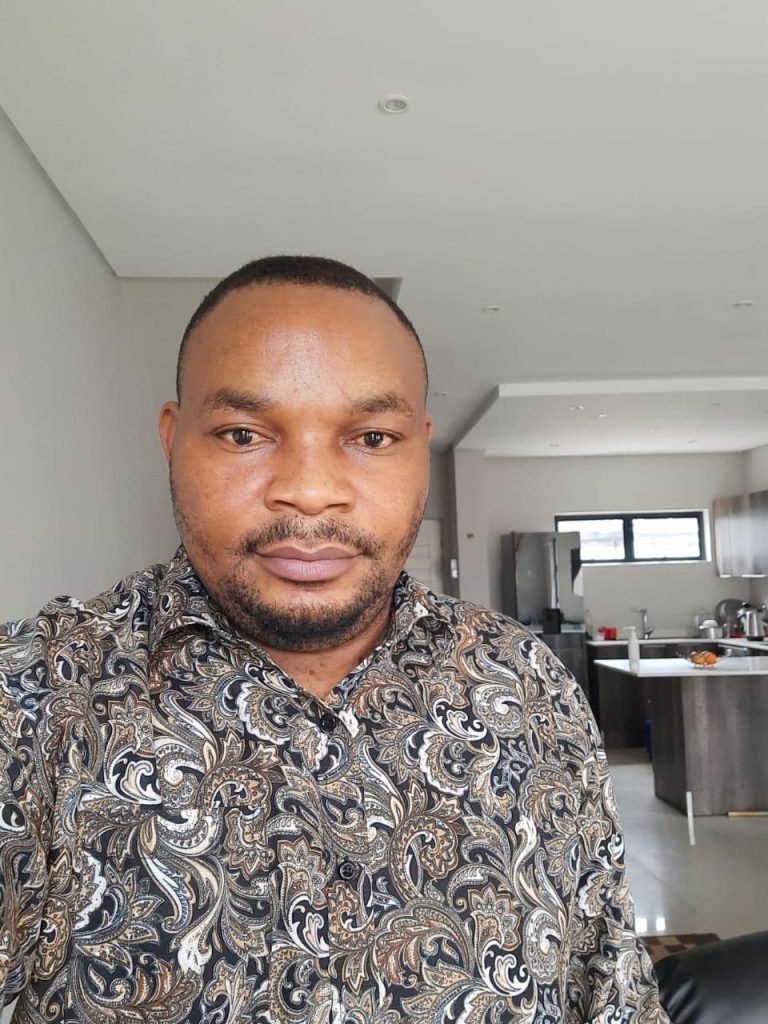
The Mhondoro succession dispute centres on efforts by the Mashayamombe royal family to have former Zanu PF Harare South MP and former Harare provincial commissar Shadreck Mashayamombe appointed acting chief pending the installation of a substantive Chief Mashayamombe following the death of Chief Chiketa Mashayamombe in 2021.
Relatives say the absence of an acting chief has left the community without recognised leadership at a time when traditional boundaries, sacred shrines and cultural sites require protection.
In many Zimbabwean communities, the appointment of an acting chief serves to ensure continuity of traditional governance while the substantive succession process is concluded.
The acting chief is ordinarily drawn from the recognised royal lineage and is expected to safeguard communal land, oversee traditional courts, preserve sacred cultural sites and represent the community in matters affecting customary authority until a substantive chief is formally installed.
Royal family pushes for acting chief appointment
A letter dated 8 April 2026 from the Mashayamombe royal family to Deputy Minister of Local Government and Public Works Albert Tawanda Mavhunga said clan members held a series of meetings between February and April 2026.
During the meetings, members of the Mashayamombe royal family raised concerns over the four-year absence of an acting chief, citing threats to their traditional boundaries and sacred site and resolved to nominate Shadreck Mashayamombe as acting chief pending the appointment of a substantive traditional leader and petitioned authorities to approve his appointment.
“The people of Mashayamombe held several meetings on 28 February 2026, 14 March 2026 and on 1 April 2026 and raised grave concern about lack of Acting Chief to fight for our traditional boundaries as well as protecting our sacred shrines.
“In that regard Mr Shadreck Mashayamombe was chosen unanimously by clan members to assume the position of Acting Chief Mashayamombe pending the appointment of a substantive Chief.
“We have also attached minutes of 14 March 2026. In this regard, we kindly appeal to your esteemed office to facilitate the appointment of the Mr. Shadreck Mashayamombe as Acting Chief,” read the letter.
However, the royal family’s request remained unresolved, prompting further correspondence with the Ministry of Local Government as the clan continued to push for the appointment of an acting chief.
On 17 June 2026, the Mashayamombe royal family wrote another letter to the Ministry of Local Government reiterating their request for government to recognise their chosen traditional leader.
“The people of Mashayamombe held several meetings on 28 February 2026, 14 March 2026, and on 1 April 2026, and raised grave concern about lack of Acting Chief to fight for our traditional boundaries as well as protecting our sacred shrines.
“In that regard Mr Shadreck Mashayamombe was chosen unanimously by clan members to assume the position of Acting Chief Mashayamombe pending the appointment of a substantive Chief.
“We have also attached minutes of 14 March 2026.
“In this regard, we kindly appeal to your esteemed office to facilitate the appointment of the Mr. Shadreck Mashayamombe as Acting Chief,” read the letter.
With no appointment having been announced, the Mashayamombe family wrote again on 3 July 2026, emphasising what it described as the urgency for government intervention to ensure the community had an acting traditional leader to protect its boundaries and cultural sites.
“The people of Mashayamombe held several meetings on 28 February 2026, 14 March 2026 and on 1 April 2026 and raised grave concern about lack of Acting Chief to fight for our traditional boundaries as well as protecting our sacred shrines.
“A final meeting was recently held on 26 June 2026.
“In this regard Mr. Shadreck Mashayamombe was chosen unamiously by clan members to assume the position of Acting Chief Mashayamombe pending the appointment of a substantive Chief,” read the letter.
“Mr. Mashayamombe would be assisted by Mr. Levy Musekiwa Watyoka.
“We have also attached minutes of 26 June 2026.
“In this regard, we kindly appeal to your esteemed office to facilitate the appointment of the Mr. Shadreck Mashayamombe as Acting Chief,” further read the letter.
Minutes of a meeting held by the Mashayamombe royal family show that, after internal consultations among the recognised royal houses, elders followed customary succession practices by consulting spirit mediums and conducting traditional ceremonies to seek ancestral guidance on the appointment of an acting chief.
The process culminated in the selection of Shadreck Mashayamombe as the family’s preferred acting chief, pending formal recognition by the government.
“We were instructed to go so that the spirits would hold their dare (spiritual council) overnight to determine the guiding spirit of Mashayamombe.
“They were then tasked to identify who would be suitable to become Acting Chief to defend the boundaries until there is a substantive Chief Mashayamombe,” read the minutes.
“The ancestors said, from the names you presented to us, our council has given you two people — a leader and his deputy.
“The name of the deputy is Watyoka. Musarapavana is Shadreck Mashayamombe from the Chinaringa house. He was the one who was mentioned most during the spiritual council.
“They were instructed, go back to the village and sit down for another council meeting. Therefore, I hand over the walking stick and the ceremonial hoe to Musarapavana, which he will use in restoring and defending the boundaries of Mashayamombe’s land,” further read the minutes.
The minutes added: “When you have completed the boundary struggle and a substantive chief has been installed, return with the walking stick and ceremonial hoe.”
“VaMadyara said the spiritual council was satisfied, and the Steering Committee agreed to further endorse Shadreck Mashayamombe as Acting Chief.
“It was therefore agreed that a letter should be written confirming that they now had an Acting Chief, and the letter would be signed by the steering team,” added the minutes.
The Mashayamombe royal family’s account broadly reflects customary succession practices observed across much of Zimbabwe, where members of the ruling house convene to identify a suitable candidate in accordance with lineage and inherited tradition.
Unlike elective political office, a chieftaincy is generally hereditary and succession is guided by long-established family customs, with consensus among recognised royal houses carrying significant weight before the recommendation is submitted to government for formal appointment.
Having received no response, members of the royal family say they continue to await the government’s decision.
The dispute has also drawn attention to the role played by Chief Ngezi, who acted following Chief Chiketa’s death.
Chief Ngezi, using his position as chairperson of the Mashonaland West Provincial Chiefs’ Council, appointed himself acting chief in Mhondoro for two years following the death of Chief Chiketa Mashayamombe in 2021, even though his traditional jurisdiction is Rimuka in Kadoma.
The Mashayamombe royal family resisted Chief Ngezi’s appointment as acting chief, arguing that it violated the traditional and cultural heritage of their royal lineage.
Chief Ngezi then appointed Headman Murombedzi as his proxy to pursue his interests as acting chief, despite objections from the four recognised royal houses—Kavara, Kakono, Gobvu and Bangira—from which, they say, the chief must traditionally be selected.
According to members of the Mashayamombe royal family, since the acting chieftaincy fell vacant within their traditional jurisdiction in Mhondoro and Chegutu, Chief Ngezi has attempted to employ divide-and-rule tactics while unlawfully encroaching on their territories.
The traditional boundaries allegedly being encroached upon by Chief Ngezi in Chegutu include Wards 23, 24, 25, 26, 28 and 29, which the Mashayamombe royal family argues have historically formed part of the Mashayamombe territory.
Territorial dispute predates current succession battle
Correspondence obtained by NewsHour suggests the territorial dispute predates the current succession battle.
In a letter dated 18 September 2013, the late Chief Chiketa Mashayamombe wrote to the Chegutu District Administrator complaining about what he described as encroachment by Chief Ngezi into Mashayamombe territory.
“We, the Mashayamombe tribe, are greatly disturbed by the massive intrusion into our designated and lawfully acquired land by Chief Ngezi,” Chief Chiketa wrote.
He further complained that “all the resettlement areas that belong to Chief Mashayamombe have been taken over by Chief Ngezi” and alleged that village heads were being installed within Mashayamombe territory.
A source within the Chegutu District Development Coordinator’s (DDC) office who requested anonymity fearing victimisation alleged that the prolonged vacancy in the Mashayamombe chieftaincy was a result of interference by officials who were attempting to influence the succession process in favour of their preferred candidate.
“We all know that Chegutu belongs to Mashayamombe.
“Ngezi is simply using his position to grab the area, to the extent of trying to create another chieftainship in the disputed territory,” said the Chegutu DDC source.
“That is why they have kept the clan without an acting chief for four years.
“We believe money is exchanging hands because Ngezi has his preferred candidate whom he wants to impose as chief, but this is being rejected by the clan,” added the source.
Seeking a negotiated settlement, Chief Chiketa requested a joint meeting involving district authorities and Chief Ngezi.
“We are sincerely and urgently requesting to meet the District Administrator together with Chief Ngezi so that our land dispute would find an amicable and lasting solution,” he wrote.
Members of the Mashayamombe royal family argue that the concerns raised in 2013 remain unresolved.
They contend that historical maps dating from 1840–1857 place the disputed areas within the traditional jurisdiction of the Mashayamombe dynasty before colonial authorities redrew administrative boundaries.
According to family representatives, the wards currently under dispute were historically part of Mashayamombe’s ancestral domain.
Independent investigations revealed that Chief Ngezi is planning to install a second chief from his own clan in these areas, a move the Mashayamombe family says would create competing traditional authority structures.
Reports are that the selection process for the proposed traditional leadership arrangement by Chief Ngezi has already been completed.
Chief Ngezi could not immediately be reached for comment, while the ministry of local government had not responded to the family’s representations at the time of publication.
Spirit mediums drawn into succession process
With no response forthcoming from authorities, clan elders turned to customary processes rooted in ancestral tradition.
Representatives from five Mashayamombe houses — Tora, Musengezi, Watotya, Nduru-Mupakayiri and Chinamaringa — agreed to consult spirit mediums linked to the royal lineage.
Among many Shona communities, ancestral consultation forms part of the cultural process surrounding traditional leadership.
While Zimbabwe’s legal framework vests formal appointment powers in the State, customary practices often involve consultations with elders, spirit mediums and custodians of sacred sites to seek ancestral guidance on succession.
Such consultations have no legal effect on their own but remain an important cultural institution for many communities, particularly where chiefly authority is regarded as both hereditary and spiritual.
According to family members, consultations were conducted at sacred sites known as Zviwota and Baradzano, where traditional custodians advised them to hold a Pungwe (Choto) ceremony on 20 June 2026 in accordance with ancestral customs.
Three spirit mediums identified Shadreck Mashayamombe as the person who should assume the acting chieftaincy.
Family members say that the spirit medium tasked Shadreck Mashayamombe to unite the whole clan and extending hand to those who moved out of Mhondoro during and before first Chimurenga.
The spirit mediums also instructed Mashayamombe to keep good relations with other clan members across the country.
In an interview, one member of the Kavara family, clan one of the four branches of the Mashayamombe royal family said they remained committed to both traditional processes and government procedures.
“We are eagerly waiting for a response from the government on the letter we sent.
“We want to do what was said by our spirit mediums as we follow the traditions and culture of our ancestors,” the family representative said.
Oral tradition and the legacy of Mashayamombe
Beyond the succession dispute lies a broader contest over historical memory, ancestral identity and the legacy of one of the most influential traditional authorities of the First Chimurenga.
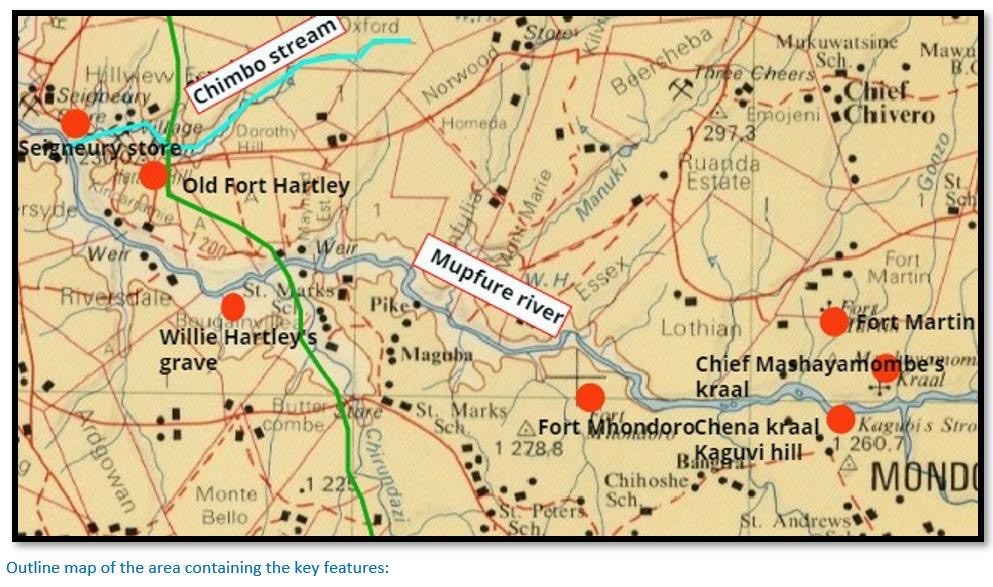
According to oral traditions preserved by the Mashayamombe royal family, the Mashayamombe dynasty was among the most powerful traditional institutions in pre-colonial Zimbabwe, exercising authority over a vast territory stretching from present-day Beatrice to Chakari.
The dynasty was led by paramount Chief Chinegundu Mashayamombe, whom descendants place alongside other prominent paramount chiefs such as Makoni in terms of traditional influence and political authority during the pre-colonial period.
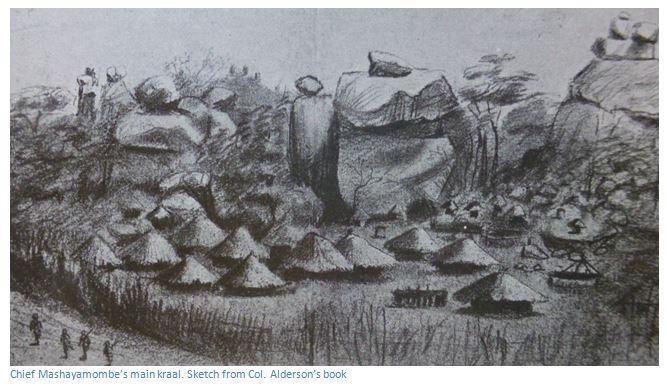
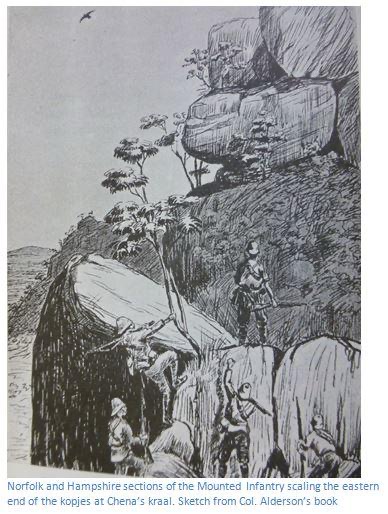
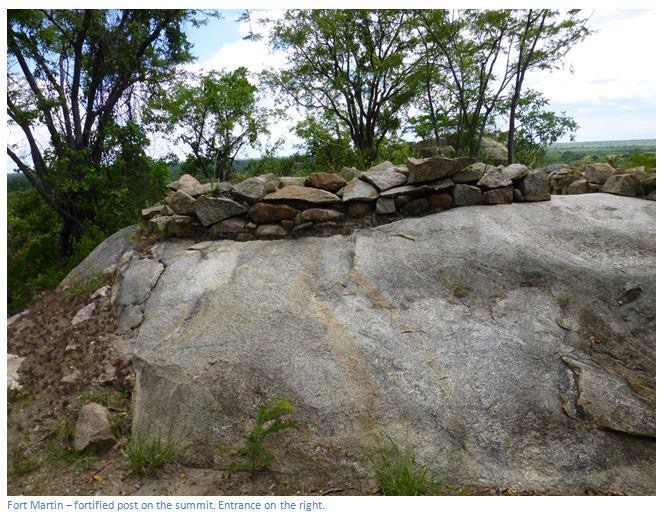
Oral and historical accounts describe Chinegundu Mashayamombe as one of the foremost military strategists of the First Chimurenga, who organised resistance against British colonial occupation and challenged the advance of the Rhodesia Pioneer Column and the British South Africa Company forces.
Between June and July 1896, colonial forces suffered several military defeats at the hands of Chief Chinegundu Mashayamombe’s fighters as resistance spread across Mashonaland.
The strength of Mashayamombe’s military organisation was acknowledged even by some of the colonial combatants involved in the battles.
Chinegundu is attributed for defeating colonel Norton in one of the six battles he won during the first Chimurenga.
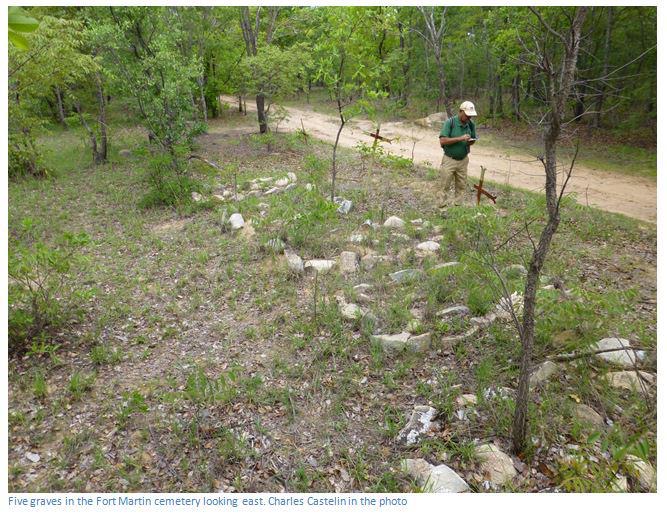
McGregor, a settler who participated in one of the encounters, later recorded the difficulty faced by colonial forces in defeating Chinegundu Mashayamombe.
“The battle raged for three days, but the Pioneers could not dislodge Mashayamombe.
“The biggest force to fight the war was at Mashayamombe, but we could not defeat him. We had more casualties than the natives,” said McGregor.
The resistance continued into 1897, with colonial forces intensifying military operations against Mashayamombe’s strongholds.
According to oral accounts preserved by the royal family, Chief Chinegundu Mashayamombe was finally defeated in July 1897 after prolonged fighting with the British South Africa Police (BSAP), marking the end of one of the most sustained military campaigns against colonial occupation during the First Chimurenga.
The Mashayamombe royal family maintains that the chief’s resistance remains a symbol of ancestral resilience and the defence of traditional authority.
The family’s oral history further traces the dynasty’s origins to paramount Chief Chinegundu, whom descendants describe as a custodian of spirit mediums associated with Mbuya Nehanda and Sekuru Kaguvi.
According to oral tradition, this custodianship contributed to Mhondoro’s enduring significance as one of Zimbabwe’s spiritual centres during the resistance against colonial rule.
Family elders maintain that Chief Chinegundu fought several battles against advancing colonial forces, winning a number of engagements before his eventual defeat.
Chinegundu’s remains, including his skull, were taken to Britain after his death and have never been repatriated.
Members of the family also point to traditions linking the Mashayamombe dynasty to the Ndebele Kingdom and Great Zimbabwe.
Oral records of the Mashayamombe family state that there were three principal centres of traditional spiritual power during the pre-colonial era, centred at Great Zimbabwe, Matopos and Mhondoro.
Mashayamombe oral traditions also state that the chief maintained diplomatic and military ties with the Ndebele Kingdom, and that Chinegundu Mashayamombe was recognised as one of the most influential Shona-speaking leaders of his era.
For the descendants, the succession dispute is therefore about more than the appointment of an acting chief.
They argue that it concerns the survival of a traditional institution they believe played a central role in Zimbabwe’s political, military, cultural and spiritual history.
Representatives of the Mashayamombe royal family says resolving the current dispute requires recognition of both the constitutional processes governing traditional leadership and the historical authority of the Mashayamombe dynasty.
The government is also undertaking a programme to restore the traditional boundaries of chiefs.
Under the exercise, some chiefs who lost parts of their jurisdictions during the colonial era are having their traditional boundaries restored to reflect the pre-colonial position.