By Staff Reporter
HARARE – The Combined Harare Residents Association (CHRA) has condemned the allocation of residential stands for legislators on the protected Monavale Vlei wetland, warning that the development undermines Zimbabwe’s obligations under the Ramsar Convention on Wetlands and damages the country’s credibility as current president of the global wetlands body.
In a statement released on May 5, CHRA said construction activities on the wetland, including the building of houses for Members of Parliament, were “under siege” and represented a direct attack on environmental protection commitments.
“It is disturbing that Monavale Vlei, one of the seven designated Ramsar Sites in Zimbabwe, is now under siege from construction activities, including the construction of houses for Members of Parliament,” CHRA said.
The residents’ body added: “This development waters down the sincerity and commitment of the government of Zimbabwe to uphold international law and commitments, especially at a time when the country is the Presidency of Ramsar, which it assumed last year at the Ramsar COP15 held in Victoria Falls.”
Zimbabwe ratified the Ramsar Convention in 2013, committing itself to protecting wetlands of international importance.
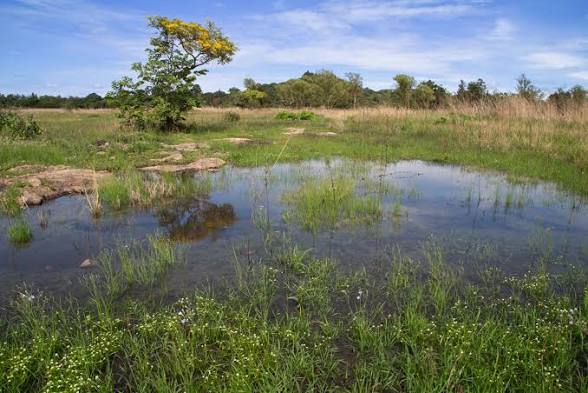
Monavale Vlei, situated in western Harare, was designated a Ramsar Site in May 2013 because of its ecological importance and role in water regulation within the Upper Manyame catchment area.
According to the Ramsar Sites Information Service, the wetland provides critical ecosystem services such as groundwater recharge, flood control, biodiversity conservation and water purification.
CHRA warned that the allocation of part of the wetland for housing construction threatens the integrity of all protected wetlands in the country.
“Destroying a wetland, which is a designated Ramsar Site protected by international law through construction activities, increases vulnerability and exposes all wetlands to destruction,” the organisation said.
The association also argued that the project contradicts the National Development Strategy 2 (NDS2), which calls for the integration of wetland management into national and local land-use planning.
CHRA further said the involvement of legislators as beneficiaries of the housing project creates a perception of conflict of interest, particularly as Parliament has not yet domesticated the Ramsar Convention into Zimbabwean law.
“By allocating this important ecosystem, which is a Ramsar Site, to Parliamentarians for housing purposes, it taints the image of legislators who are beneficiaries of this project, and weakens the legislative and oversight function of Parliament,” CHRA said.
CHRA added that the development creates a perception among residents “that Parliament is delaying the domestication of the Ramsar Convention and its incorporation into law because its members want to benefit from wetland construction activities.”
The controversy comes amid renewed scrutiny over wetland destruction in Harare, where environmentalists have long blamed uncontrolled land allocations and housing developments for worsening flooding and water shortages.
Reports this week indicated that the Environmental Management Agency (EMA) ordered a halt to construction activities at the site following complaints from conservation groups and residents.
Monavale Vlei has repeatedly faced pressure from developers in recent years. In 2021, environmental organisations including the Conservation Society of Monavale (COSMO) and the Harare Wetlands Trust successfully challenged another proposed housing development on the wetland.
UNESCO has also previously identified Monavale as one of Harare’s critical urban wetlands because of its role in sustaining biodiversity and naturally filtering water.
In its recommendations, CHRA called for the immediate halt of all construction activities at Monavale and urged authorities to identify alternative land for the legislators.
The organisation also demanded that Parliament summon Harare Mayor Jacob Mafume and Local Government Minister Daniel Garwe to explain how a protected Ramsar Site was allocated for housing development.
CHRA further urged the City of Harare to establish an investigation committee into the allocation process and called for urgent domestication of the Ramsar Convention through an Act of Parliament in line with Sections 34 and 327 of the Constitution.
“We reiterate that wetlands provide ecological services such as water purification, storage, and provision for free, and part of the Harare water crisis emanates from the destruction of wetlands, which are within the Upper Manyame Catchment area,” CHRA said.