By Naledi Nyoni
HARARE — The number of Zimbabweans who have returned home from South Africa has climbed to 58,768, as government steps up its repatriation programme in response to escalating anti-migrant violence and a tightening immigration crackdown in the neighbouring country.
In an update released Thursday, Presidential Spokesperson George Charamba said 11,065 Zimbabweans had been repatriated through government-facilitated operations, while 47,703 had returned through self-repatriation efforts, bringing the cumulative total to 58,768 as of 2 July 2026.
The update comes as South Africa grapples with renewed anti-migrant protests that have forced thousands of foreign nationals, including Zimbabweans, to flee violence, while authorities intensify immigration enforcement and deportation operations.
According to Charamba, the Zimbabwe Embassy in Pretoria and the country’s consulates are coordinating the movement of citizens from various parts of South Africa, including Cape Town and Durban, to the Musina Temporary Repatriation Centre near the Beitbridge border.
The diplomatic missions are also providing food, toiletries, transport and temporary accommodation for Zimbabweans awaiting processing by South African authorities before crossing into Zimbabwe.
Approximately 600 Zimbabweans were, by Wednesday, being processed at the Epping Repatriation Centre in Cape Town pending their transfer to Musina.
Government said the repatriation exercise continues to be supported by buses hired by the State and supplemented by donations from the Bridging Gaps Foundation led by businessman Kudakwashe Tagwirei, which has provided 11 buses, while businessman E. Mupfumi and philanthropist P. Tungwarara have contributed a further six buses.
Two ambulances supplied by Higherlife Foundation and Life Foundation have also been deployed to the Beitbridge Reception Centre to support medical emergencies.
Humanitarian organisations have expanded assistance to returning Zimbabweans, with the World Food Programme (WFP), UNICEF, No-One Sleeps Hungry and Life Foundation providing food, blankets, child-friendly spaces and other essential services at reception centres.
In Cape Town, the City of Cape Town has assisted the Zimbabwean Consulate with 16 buses that transported returnees to Musina on 1 July, while the Adventist Relief and Development Agency (ADRA) and the Agricultural and Rural Development Authority (ARDA) donated an additional eight buses for operations in the Western Cape.
The repatriation programme has accelerated amid growing insecurity facing migrants in South Africa.
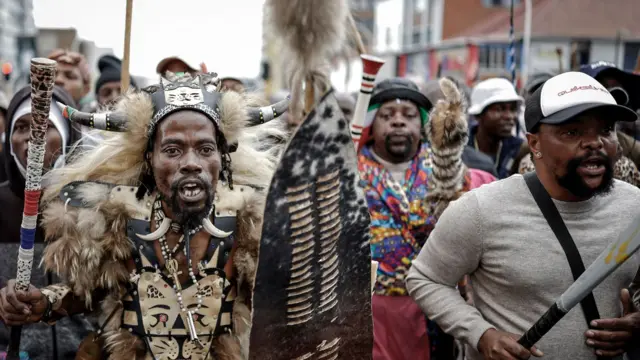
Recent weeks have seen coordinated anti-migrant demonstrations across several South African cities, with some protests turning violent and leading to deaths, looting and attacks on foreign-owned businesses.
Thousands of migrants have fled affected communities as police and the military were deployed to restore order.
At the same time, President Cyril Ramaphosa’s administration has introduced a tougher migration policy centred on increased deportations, tighter border controls, expanded labour inspections and faster immigration enforcement.
South African authorities say the measures are aimed at addressing irregular migration through lawful means, while condemning vigilante attacks on foreign nationals.
Zimbabweans remain one of the largest migrant communities in South Africa, where many have sought employment over the past two decades.
The recent unrest and policy changes have prompted Zimbabwe to mount one of its largest organised repatriation exercises in recent years, with government continuing to facilitate the safe return and reintegration of affected citizens.