By MSF
BEITBRIDGE — More than 115,000 Zimbabweans have returned home from South Africa as an anti-migrant campaign triggered fear among foreign nationals, leaving many without jobs, medication and belongings.
As of July 28, 2026, government had repatriated 36,940 Zimbabweans from South Africa, while 79,730 others had returned independently.
Another 870 self-repatriations were recorded through Botswana entry points.
The exodus followed protests led by anti-migrant groups including March and March, Operation Dudula, Amabutho and the Labour and Civic Organisation, which demanded action against undocumented foreigners.
While the groups said they were targeting illegal immigration, migrants from Zimbabwe, Malawi, Mozambique and other African countries said the hostility extended beyond undocumented foreigners, with even those with valid documents being caught up in the backlash.
Many documented migrants said passports and permits did not protect them from intimidation, threats and attacks.
Some abandoned homes they had occupied for years, while others left behind jobs and access to healthcare.
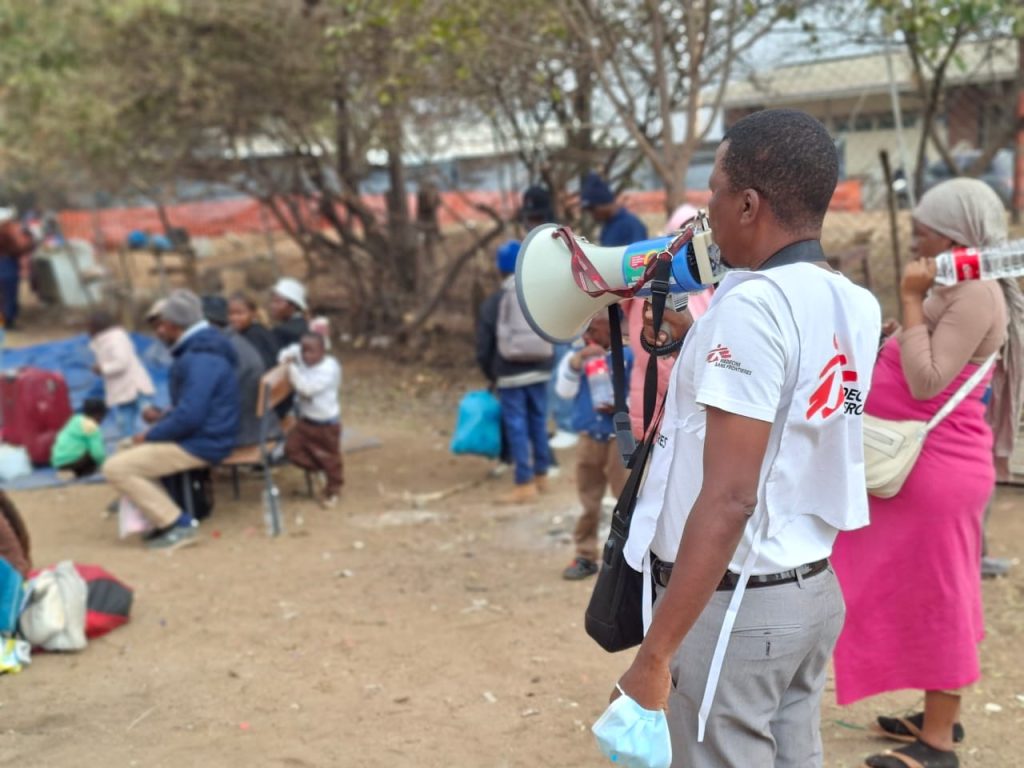
Doctors Without Borders (MSF), which is providing assistance at Musina and Beitbridge, says it is treating traumatised returnees whose HIV, TB, hypertension and other chronic treatments were disrupted during their flight.
At the Beitbridge Reception Centre, government says the clinic has attended to 2,147 returnees, including 1,296 women, 851 men and 575 children under 15.
Common conditions treated include respiratory infections, diarrhoeal diseases and headaches.
Government recently announced that it launched a Skills Registration Process, with 38,057 returnees registered so far.
Some local companies have expressed interest in using the database to recruit workers.
But many returnees say they are coming back with painful memories of lives abruptly abandoned.
Munyaradzi, 34, left South Africa after struggling to access medication for chronic pain caused by exposure to a toxic chemical while working at a Zimbabwean gold mine.
Gold miners, particularly in small-scale operations, can be exposed to hazardous substances such as mercury, which has been linked to long-term health problems.
“I was affected by that chemical in 2020, and I have been taking medication ever since. I know they do not want us here in South Africa, so I decided to go back home,” he told MSF.
Across the border in Beitbridge, counsellors are attending to migrants dealing with trauma after losing homes and possessions.
Nobuhle, who had been living in Soweto and working as a chef, returned home from work to find her house gutted by fire in an incident she believes was linked to suspected anti-migrant protesters.
Nobuhle, who had been living in Soweto and working as a chef, returned home from work to find her house gutted by fire in an incident she believes was linked to suspected anti-migrant protesters.
“I returned to find my house gutted by fire. I lost my passport and permit, all my clothes and furniture, as well as my children’s birth records and certificates. I have nothing left. All I have is this small handbag,” she said.
Malawian tailor Joseph, who had lived in South Africa since 1995, said he fled after being targeted as a foreigner and left behind his HIV medication.
“They came to my house and told me, ‘You are a foreigner, hamba (go).
“I feared for my safety and ran away, seeking refuge with friends,” he said.
Zimbabwean electrician Freedom, 46, returned home after losing access to antiretroviral treatment.
“I defaulted on my medication for three months because of the xenophobic attacks in South Africa.
“I could no longer access the clinic as I used to, and my condition worsened,” he said.
MSF says interruptions to treatment could worsen health outcomes for thousands of migrants returning across the region.
“We are concerned about disruptions to healthcare access and continuity of care for people living with chronic diseases such as HIV, TB, diabetes, hypertension and mental health conditions,” said Caroline Masunda, MSF’s Emergency Medical Team Lead in Musina.
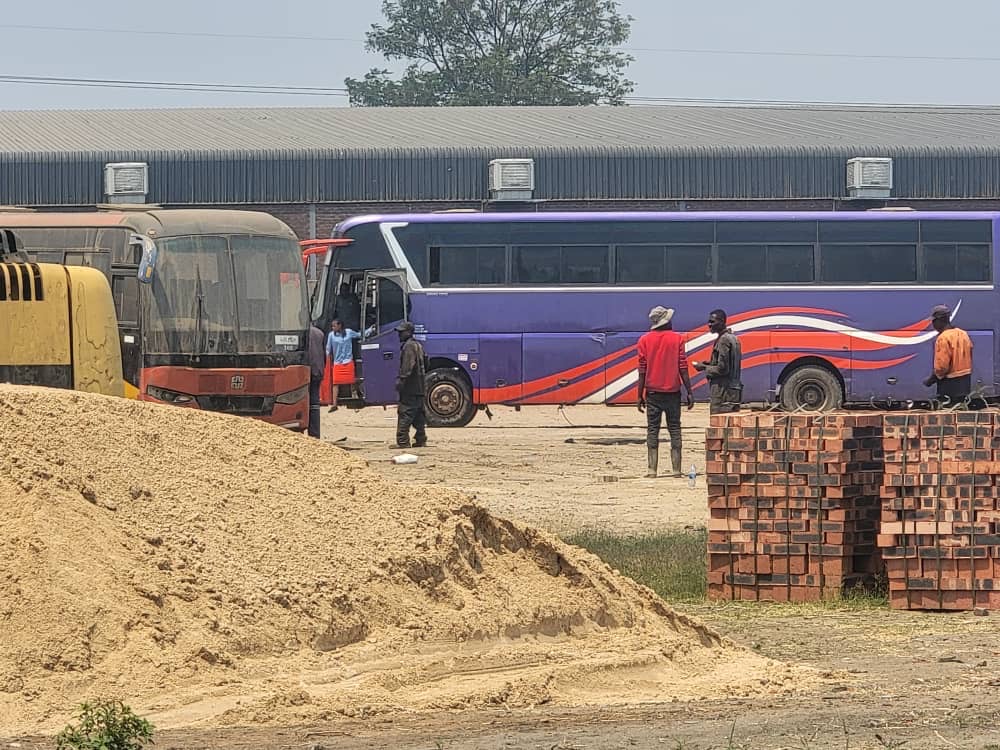
Zimbabwe has deployed resources to manage the returnees, with 512 bus trips already undertaken from the Beitbridge Reception Centre to different destinations.
Government has also released US$3.4 million towards the repatriation exercise, while United Nations agencies and the International Federation of the Red Cross and Red Crescent Societies have provided additional support.
Authorities say they are also working to recover employment benefits, pensions and unpaid dues lost by returnees through bilateral engagements with South Africa.
For many migrants arriving at Beitbridge, crossing back into Zimbabwe marks the end of one crisis but the beginning of another.
They have returned home, but many must now rebuild lives disrupted across the border.
Editor’s note: Some names have been changed to protect the identities of interviewees because of the sensitive nature of their experiences.
Direct quotations were translated into English from the interviewees’ local languages.