By Staff Reporter
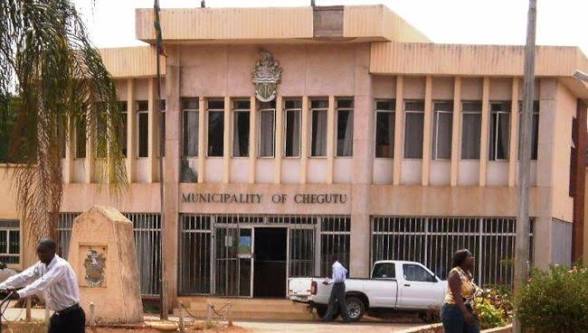
HARARE — Chegutu Municipality failed to bill more than US$61,000 in billboard fees, left ZWG29.4 million in deposits unallocated and supplied residents with a water system losing more than half of treated water, Auditor-General Vimbai Chikwenhere has found.
Chikwenhere issued a qualified audit opinion on the municipality’s 2024 financial statements, citing multiple departures from International Public Sector Accounting Standards (IPSAS) and weaknesses in governance, revenue collection, asset management and service delivery.
“In my opinion, except for the effects of the matters described in the Basis for Qualified Opinion section of my report, the financial statements present fairly,” Chikwenhere said.
Audit findings showed council failed to account for its residual interest in a joint venture wound up in 2022 despite obtaining the venture’s financial statements in 2024.
Report said failure to recognise the retained interest meant “financial statements could be materially different.”
Council also failed to assess the useful lives and residual values of its assets or test them for impairment as required by IPSAS.
“Had the Municipality assessed useful lives, and performed an impairment assessment of its property, plant and equipment, the financial statements would have been materially different,” Chikwenhere said.
Revenue collection weaknesses featured prominently in the audit.
Council failed to invoice 60 of its 89 billboards, leaving US$61,203 uncollected.
Stand sales were also recorded only when cash was received instead of when revenue was earned, while VAT was incorrectly included in reported revenue.
Chikwenhere said: “Had the Municipality recognised revenue on accruals basis and Value Added Tax (VAT) from revenue separately disclosed, the financial statements would have been materially different.”
Audit also identified unallocated deposits totalling ZWG29.4 million because customer details were missing.
“I therefore could not ascertain the accuracy of payables, revenue and receivables disclosed in the financial statements,” Chikwenhere said.
Bank reconciliations were also delayed after conversion of accounting systems from ZWL to ZWG.
Ten reconciliations for 2024 were only completed and reviewed in 2025, increasing the risk that fraud and accounting errors could go undetected.
Asset management weaknesses included failure to register four vehicles acquired during the year within the statutory 14-day period.
Residents also endured deteriorating basic services.
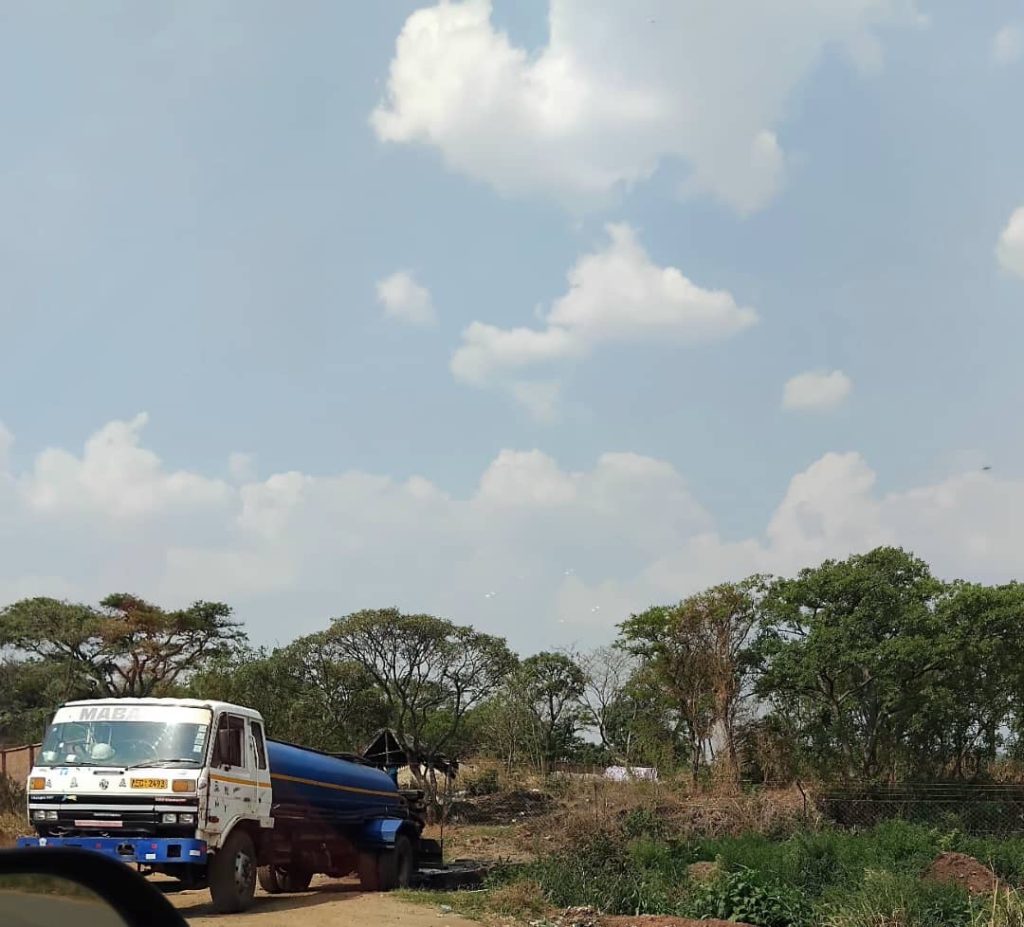
Audit found poor maintenance at the municipality’s water treatment plant left two pumps, a clarifier and a filter bed out of service, reducing treatment capacity and causing erratic water supplies.
Figures in the report show Chegutu treated and distributed 2,329 megalitres of water during 2024 but billed only 1,125 megalitres, leaving 1,204 megalitres, or 52 percent, as non-revenue water.
Chikwenhere noted this was more than double the globally accepted benchmark of 25 percent.
Ageing sewer infrastructure also resulted in frequent blockages in Wards 4, 6, 7 and 9, with raw sewage spilling into nearby rivers.
Report warned this created “health hazards due to contamination of rivers that supply residential areas.”
Chikwenhere also criticised council’s slow implementation of previous audit recommendations.
Of 19 findings raised in the previous audit, only seven were fully addressed.
Eleven remained unresolved while one was only partially implemented.
Outstanding issues included failure to account for joint venture interests, assess asset useful lives, establish a donations register, clear bank reconciliation variances, install functional water meters, develop a landfill, produce expenditure supporting documents and stop funding salaries through an overdraft facility.