By Marshall Bwanya
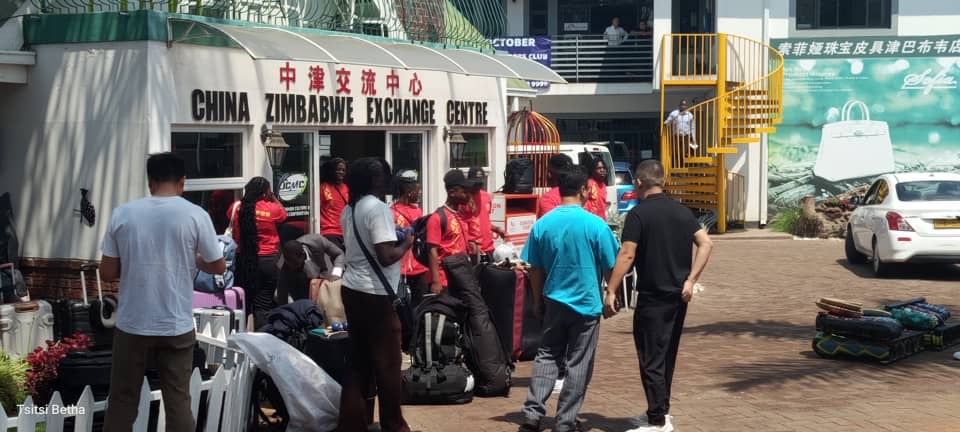
HARARE — Twenty-nine of Zimbabwe’s brightest young performers are packing their bags for China in an eight-day cultural adventure designed to put local music and dance firmly on the international stage.
The DreamStar talent development programme delegation leaves Zimbabwe on Wednesday and returns to Harare on October 16 after five performances across Shanghai, Xi’an and Yan’an.
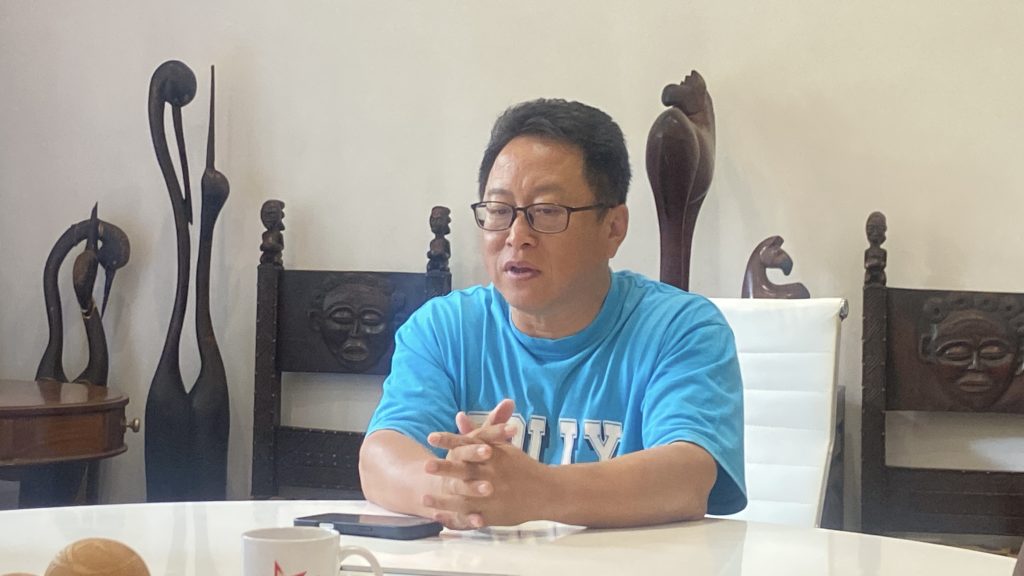
Organiser Steve Zhao said the trip was about far more than getting on stage, with the young artists expected to rub shoulders with Chinese cultural institutions, government officials, universities and potential industry partners.
“The initiative goes beyond performances, with discussions expected to explore opportunities for Zimbabwean artists to access international platforms, education and professional partnerships,” Zhao said.
Three performances are lined up in Shanghai, followed by one each in Xi’an and Yan’an.
Xi’an should provide a particularly colourful backdrop for the Zimbabwean performers.
Once known as Chang’an, the city served as the capital of 13 Chinese dynasties, including the Tang Dynasty between 618 and 907, and stood at the heart of the ancient Silk Road.
Yan’an, meanwhile, carries a very different piece of China’s story.
Known for its deep links to the country’s revolutionary history, the city is home to hundreds of revolutionary sites and memorials.
DreamStar has been mixing entertainment with cultural diplomacy for more than a decade.
The programme began in 2014 and has grown into one of the country’s prominent talent platforms, with its organisers and Chinese partners using the initiative to identify, develop and expose young Zimbabwean performers to opportunities beyond home.
China’s Embassy in Zimbabwe says more than 300 DreamStar participants have taken part in cultural exchange programmes and academic studies in China, underlining the scale of the relationship that has developed around the initiative.
DreamStar’s China links are not new either.
In 2019, the Chinese Embassy described the programme as a flagship China-Zimbabwe cultural exchange initiative, noting that hundreds of young Zimbabwean artists had already travelled to China for performances, festivals and cultural programmes.
This year’s travelling troupe brings together contestants from the 2024, 2025 and 2026 editions after a planned China trip in 2025 was cancelled.
Judith Mhlanga, a top-five finalist in the 2025 edition, sees the trip as a chance to push her career beyond Zimbabwe’s borders.
“I believe that it’s a big opportunity for me to showcase my talent and to do more and unveil more talents that I have,” said Mhlanga, a Harare-based contemporary singer who performs across several genres.
Peter Amel, the second runner-up in the 2021 edition, credits DreamStar with helping him record and release music through prize money while opening doors that could otherwise have remained firmly shut.
China will also mark his first international trip.
“I’m going to perform through music, to go out of the country through music. It’s a great experience that I’m looking forward to,” he said.
Dance will have its own stars, led by Shadreck Moyo, affectionately known by his stage name Stifler, a member of the Pandas — the ultimate-winning dance group from the 2025 DreamStar edition.
Pandas specialise in African-style dance, giving Chinese audiences a chance to see Zimbabwean and wider African performance traditions up close.
DreamStar’s latest China adventure comes at a time when the platform is entering its second decade.
Its 2026 grand finale was held in Harare on August 15, with Chinese Ambassador Zhou Ding and Deputy Minister of Sport, Recreation, Arts and Culture Emily Jesaya among the guests.
Ambassador Zhou said the programme had been held for 10 consecutive years and reaffirmed China’s support for sending young Zimbabwean artists to China for cultural exchanges and professional training.
Zhao said the bigger prize was creating a route from raw talent to genuine careers by connecting young Zimbabwean artists with international audiences, institutions and potential investors.
Zimbabwe has no shortage of creative talent, but organisers say artists still need greater investment, promotion and access to international markets.
DreamStar is hoping this trip can turn a cultural handshake into something bigger — new audiences, new collaborators and perhaps the sort of international break that can transform a young artist’s career.