By Marshall Bwanya
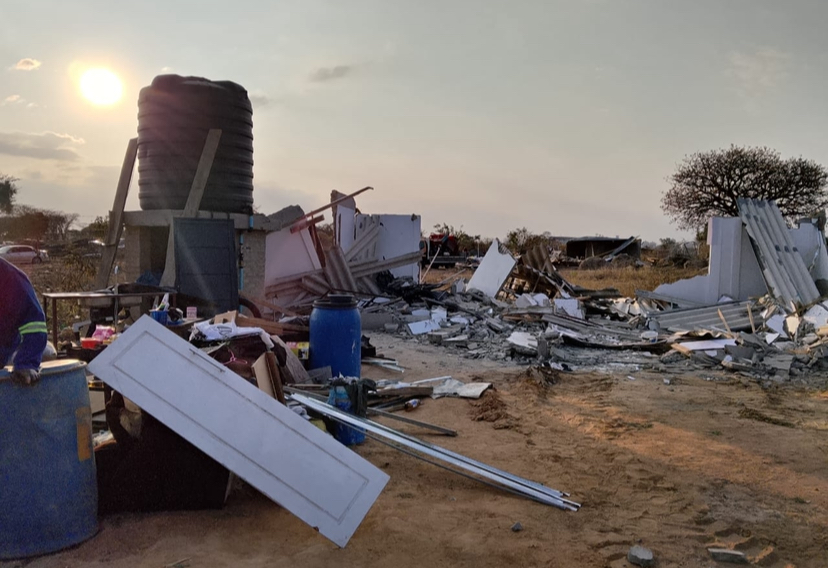
HARARE — When bulldozers and other heavy machinery arrived at St Martin’s Phase 2 last Friday, residents watched as homes they say they had built on land purchased from the City of Harare were abruptly razed to the ground.
For some residents, years of payments and construction costs, along with hopes of owning a home, were reduced to piles of rubble.
During the demolitions, a disoriented resident had to be restrained as he fumed while his cabin was razed to the ground within seconds.
“Why demolish my home. This is where I live.
“Where will I sleep now,” the aggrieved resident said, visibly distressed as his structure was razed to the ground.
“Why are you leaving some homes while demolishing others?” he added.
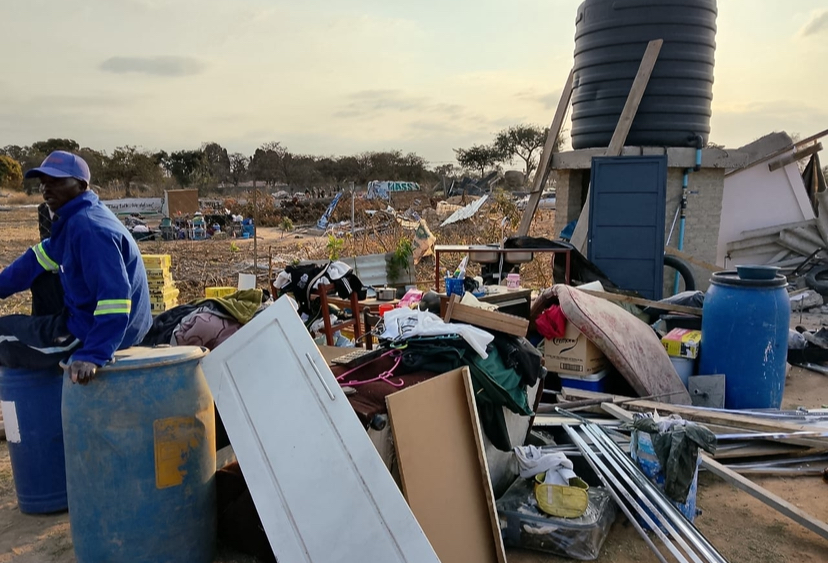
Friday’s demolitions at St Martin’s have reignited a long-running dispute, with the fallout now involving a contested High Court order, allegations of stolen construction materials and stalled infrastructure works.
Residents affected by the demolitions under the St Martin’s Housing Pay Scheme say they paid City of Harare for land and development works, including water and sewer infrastructure.
The City of Harare, on the other hand, insisted it was removing structures built illegally despite repeated warnings it gave to residents and said homes protected by a court interdict are not being demolished.
“I was called in the morning (last Friday) and alerted that there were lorries and bulldozers at St Martin’s demolishing houses.
“When I arrived, houses were already being demolished,” said St Martin’s Housing Pay Scheme chairperson Dave Jenje.
Jenje said residents believed a High Court order prevented the demolitions.
A consent order issued by Justice Happias Zhou on October 29, 2025, under case number HCH5444/25, set aside demolition notices issued by the council earlier that month.
It also barred the City of Harare, or anyone acting on its behalf, from evicting the applicants or demolishing their homes at St Martin’s Extension without a valid court order.
At the same time, the order prohibited applicants from carrying out further development without written approval from the council.
City of Harare spokesperson Stanley Gama defended the demolitions, saying structures protected by the court order were not being targeted.
“Those covered by the interdict we are not demolishing.
“We are only demolishing structures built illegally whose owners were told and warned many times not to proceed with construction,” Gama said.
Residents dispute that account and say some structures demolished on Friday were covered by the court order.
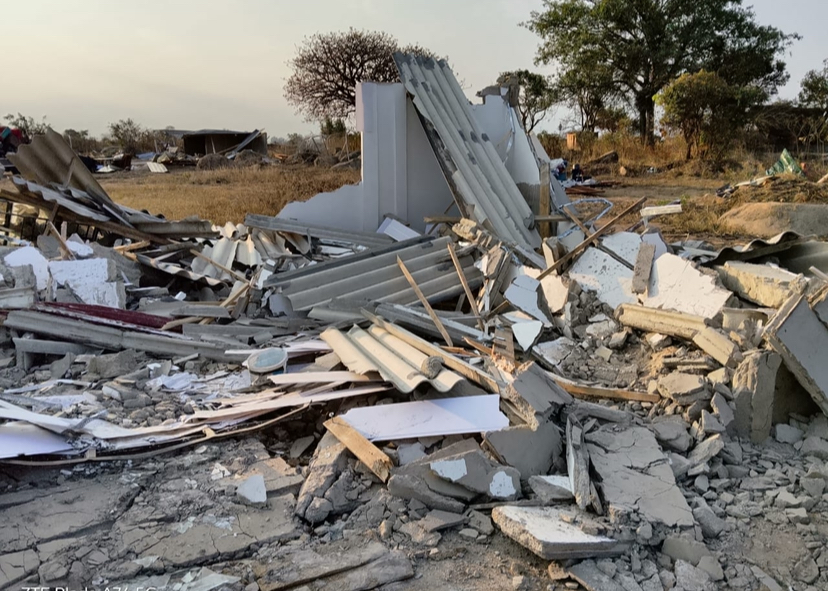
Documents reviewed by NewsHour show that some of the structures demolished on Friday were identified in the proceedings covered by the order.
The documents do not, however, resolve whether every structure demolished was legally protected by the interdict.
A project stalled
The dispute over St Martin’s began years before Friday’s demolitions.
In July 2022, council officials, including the Sunningdale district officer, chief surveyor and planning officer, met with the housing scheme to discuss delays, development fees and deteriorating construction materials.
The scheme had proposed opening temporary roads so beneficiaries could move onto their stands, partly to protect them from land barons and illegal farmers.
A month later, in an August 22, 2022 letter to the council, the housing scheme complained that the project had stalled despite residents having paid development fees and the intrinsic land value and acquired construction materials.
Some of the materials, the scheme said, had been kept at the council’s premises in Remembrance, Mbare, for about three years.
By January 2024, the scheme was accusing the council of failing to account for water and sewer materials.
“The City Council sold us land over five years ago for which members have paid for the intrinsic land value, developmental fees and bought all materials for the water and sewer reticulation.
“Our water and sewer materials went missing at your premises and there is no account or remedy to that effect,” the scheme wrote.
The scheme also alleged that concrete sewer manholes had been removed and used on projects elsewhere.
A council letter dated April 20, 2023, shows that the issue had reached its Department of Housing and Community Services.
Departmental acting director Innocent Sithole said the department had prepared a report seeking authority to replace the missing materials.
Documents reviewed by NewsHour do not identify who took the materials or establish how they disappeared.
Jenje said residents were told the materials had been stolen from the council’s premises in Remembrance, Mbare.
“No police report was made and no one was arrested,” he said, adding that council officials told residents they could not report the matter because the materials were in council custody.
NewsHour established that the missing materials were valued at US$700,000 and included water and sewer pipes, PVC pipes and galvanised pipes.


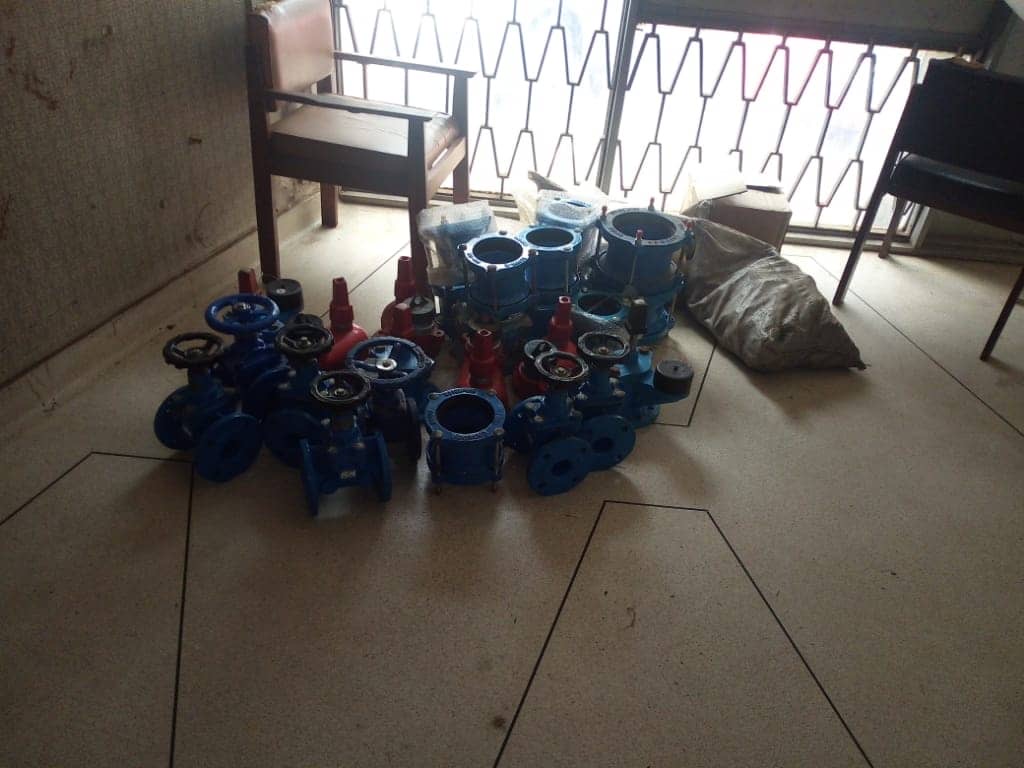
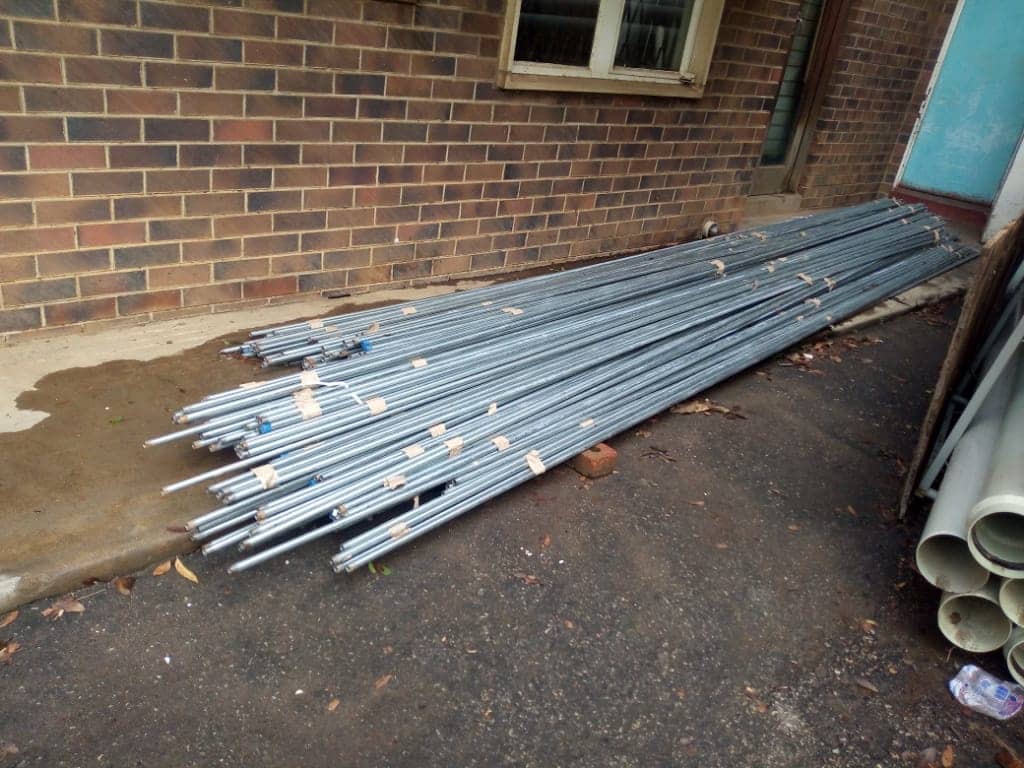
The housing scheme said the theft was discovered in November 2022 when its leadership sought the council’s assistance to hand the materials to a contractor.
Correspondence reviewed by NewsHour shows the council acknowledged that materials were stolen and considered replacing them.
However, no criminal investigation was undertaken.
Money and development
The loss of materials added to delays that forced residents to invest more money in developing the site, they say.
In March 2024, the housing scheme sought a meeting with the council’s housing department to discuss water and sewer works, concrete sewer manholes, funds held by the council, land barons and support for the project.
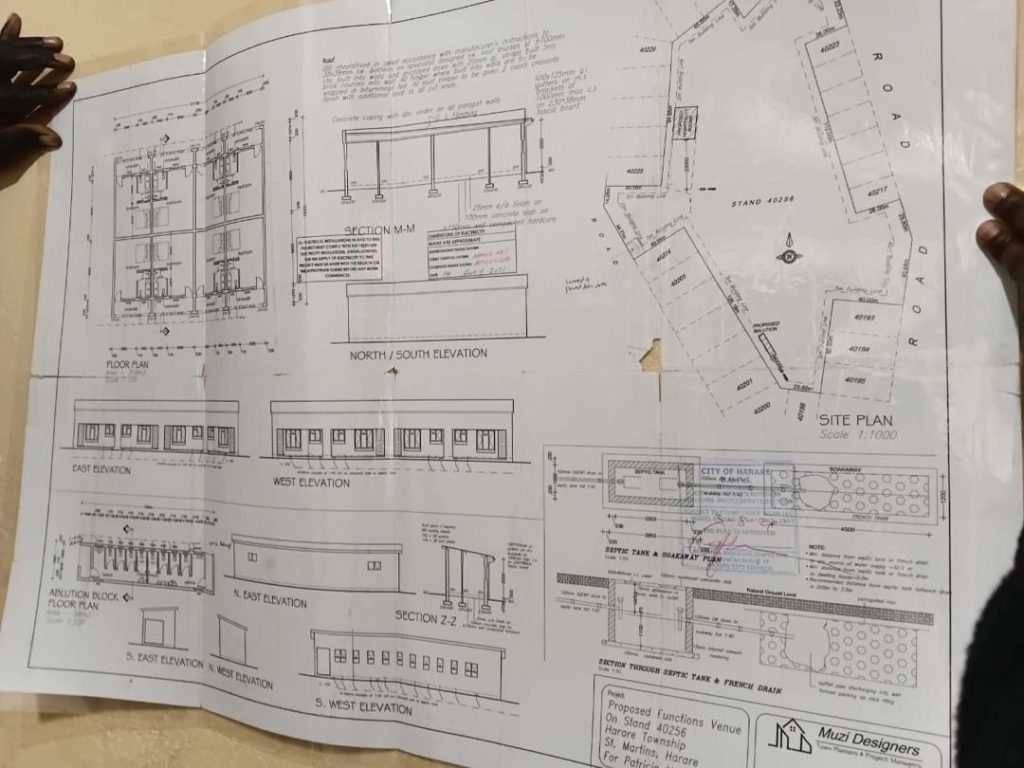
It also requested assistance with approvals, commissioning of works, supervision of contractors and approved drawings.
Jenje said residents eventually reached about 85% completion of water and sewer works before Friday’s demolitions.
He also alleged that the council had misappropriated development funds.
The correspondence shows that residents were still seeking approvals and infrastructure support from the council while the development remained stalled.
A court order, but no end to the dispute
The dispute entered a new phase in October 2025 when residents approached the High Court.
On October 29, 2025, Justice Zhou issued a consent order under case number HCH5444/25.
The order set aside demolition notices issued by the council earlier that month and barred the City of Harare, or anyone acting on its behalf, from evicting the applicants or demolishing their homes at St Martin’s Extension without a valid court order.
But the order did not declare all construction at St Martin’s lawful.
It also prohibited the applicants from carrying out further development without written approval from the council.
The distinction is central to the dispute now facing residents and the council.
Residents say the order protected their homes from demolition, while the council maintains it remains entitled to remove structures it considers illegal.
Who authorised Friday’s demolitions?
The question of who authorised Friday’s operation remains unresolved.
Last Friday’s demolitions were not called by the City of Harare’s Urban Planning Department or Housing and Community Services Department, according to council insiders, who said the directive came from the legal department.
Jenje said residents have been unable to establish who specifically called for or authorised the demolitions.
“The District Officer (DO) was also not aware of the demolitions,” he said, adding that the officer later called the person leading the demolition operation to ask why he had not been informed.
“They responded that they had forgotten,” Jenje said.
The account could not be independently confirmed.
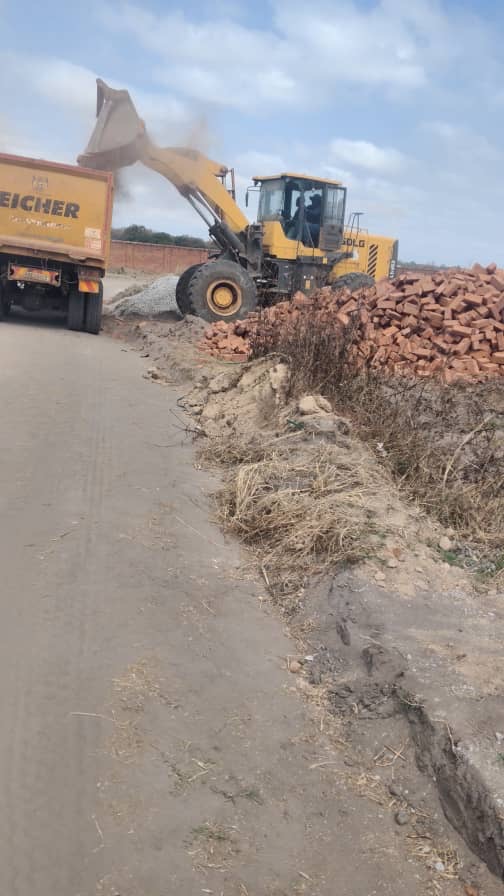
Harare City Council maintains that the structures being demolished were illegal and that their owners had been warned.
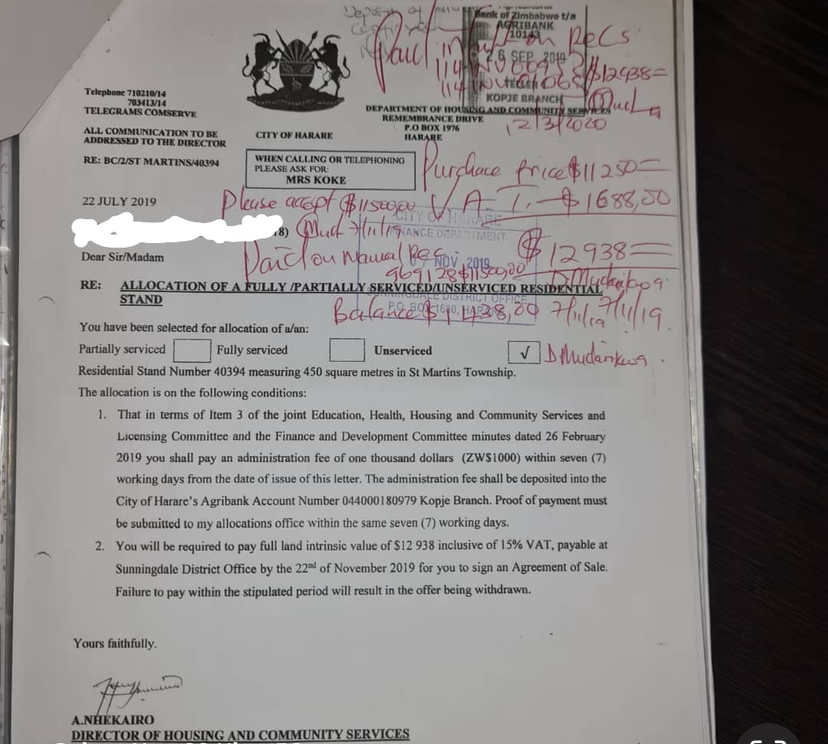
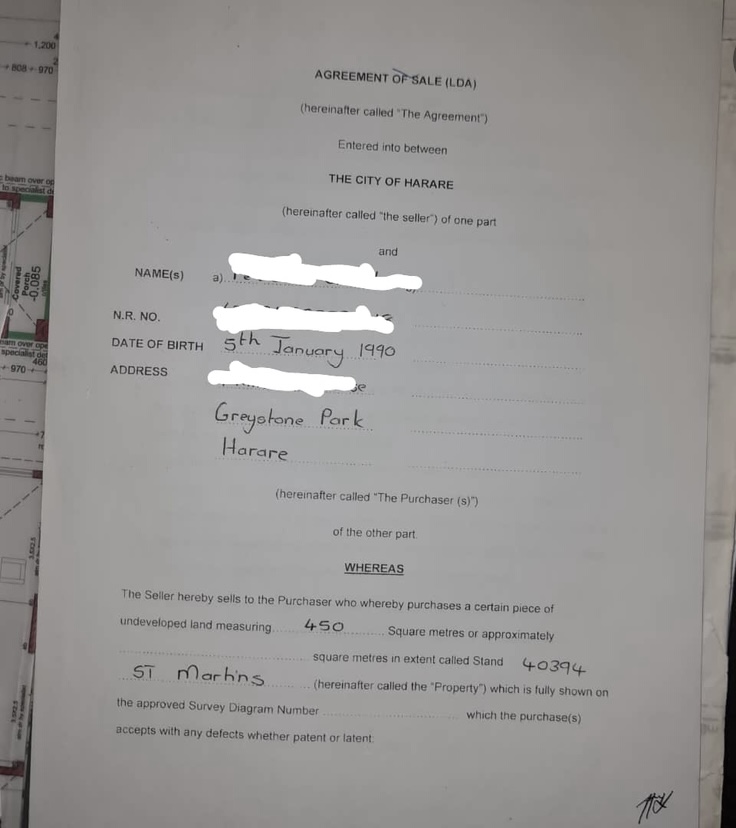
Jenje, however, said residents had offer letters and agreements of sale from the council.
“Regarding the stands, the City of Harare offered us the land.
“There are offer letters that we accepted, and we paid what they call land intrinsic value for purchasing the land from the City of Harare.
“They also gave us agreements of sale,” he said.
He also questioned why Phase 2 was targeted while Phase 1, occupied by council employees, was not demolished.
“There was Phase 1, which was occupied by council employees, and they did not demolish that phase.
“At Phase 2, that is where they demolished all the houses, so we do not know why this directive specifically targeted us,” he said.
Investigations by NewsHour found that some lower-ranking City of Harare employees were also affected by last Friday’s demolitions in St Martin’s Phase 2.
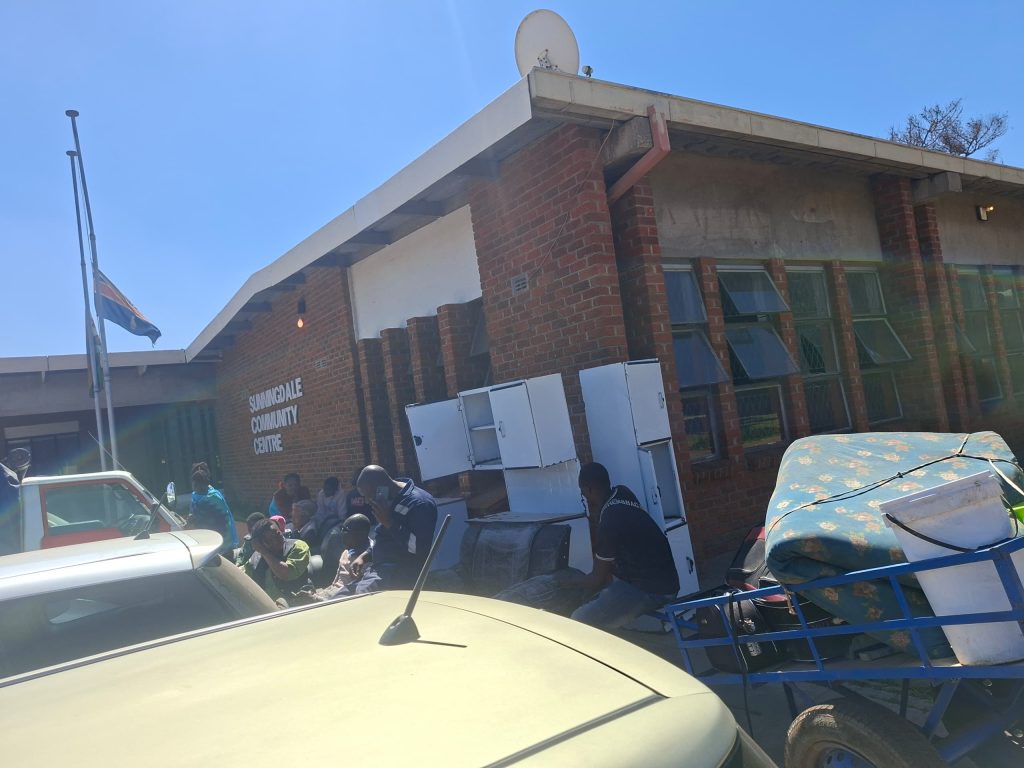
Several affected City of Harare employees have since sought temporary refuge at the District Office in Sunningdale.
The City of Harare’s position remains that the demolished structures were illegal and that their owners had been repeatedly warned not to continue construction.
The legality of Friday’s demolitions therefore remains contested, with key questions unresolved over which structures were protected by the court order and whether the council had obtained further legal authority to proceed.
For residents, however, the dispute has already had a tangible cost.
“We no longer know where to purchase genuine land without encountering problems.
“As I speak, I am in pain because my house was demolished,” Jenje said.
Stolen materials, stalled infrastructure and competing interpretations of the court order have turned a housing development into a dispute over who bears responsibility for the project’s failure.
It has also raised questions over what protection residents have when the bulldozers arrive, despite holding documents they say show they legally acquired the stands.