By Victor Fanuel
MHONDORO — Descendants of First Chimurenga heroes Sekuru Kaguvi, Mbuya Nehanda and Chief Chinegundu Mashayamombe have appealed to President Emmerson Mnangagwa, First Lady Dr Auxillia Mnangagwa and government to urgently intervene over what they say is the destruction of sacred cultural sites by Chinese mining company GritMine Minerals.
Community leaders fear excavation works linked to a proposed cofferdam could pave the way for a permanent dam that would submerge shrines, ancestral graves, rainmaking sites and sacred mountains regarded as the spiritual heartland of Zimbabwe’s liberation heritage.
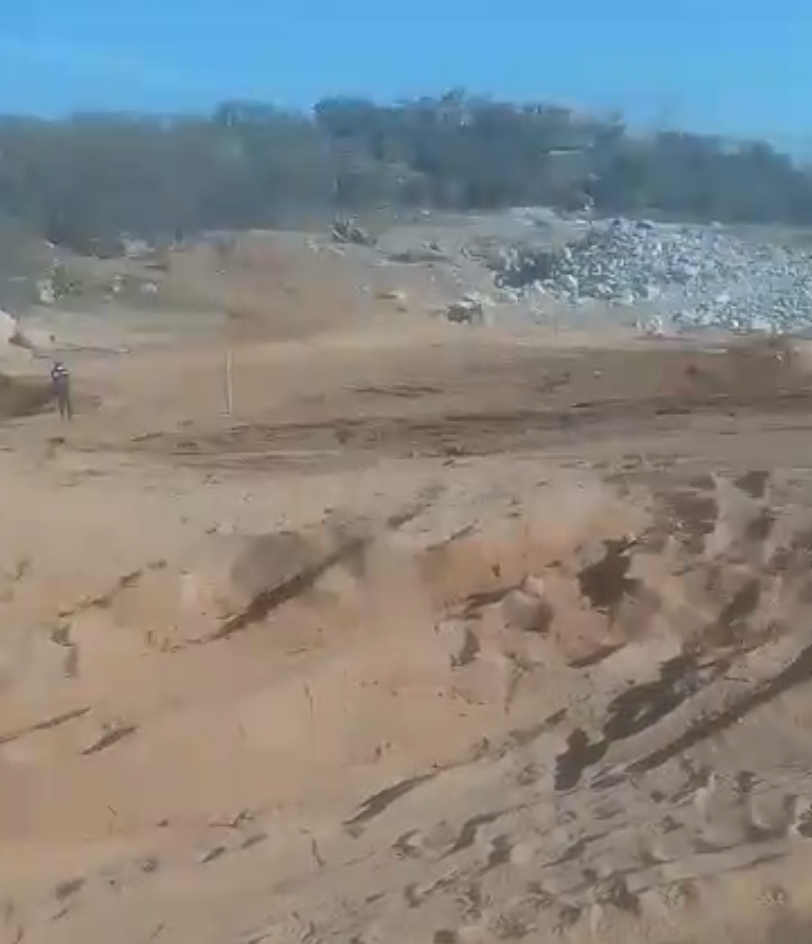
The appeal comes as heavy machinery continues clearing parts of the disputed landscape in Mhondoro, where villagers say generations have preserved places associated with the spirit mediums who inspired resistance during the First and Second Chimurenga.
The legacy of Zimbabwe’s First Chimurenga heroes
The mountains, caves, river valleys and shrines that local communities want national leaders to protect form a historic cultural landscape closely associated with three of Zimbabwe’s most revered figures of the First Chimurenga of 1896-97.
Spirit mediums Mbuya Nehanda Charwe Nyakasikana and Sekuru Kaguvi Gumboreshumba, together with Chief Chinegundu Mashayamombe, led resistance against the advance of the British South Africa Company (BSAC) into Mashonaland.
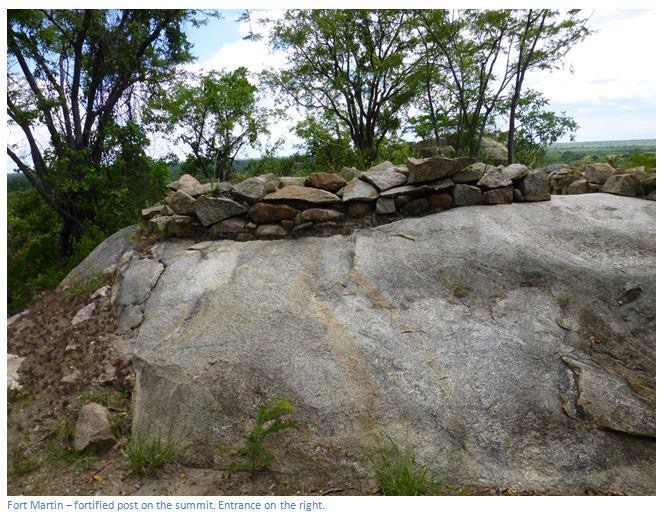
Oral traditions and historical accounts identify the Mhondoro landscape as a heart and soul of spiritual consultation, traditional governance and armed resistance, where Nehanda, Kaguvi and Mashayamombe mobilised communities against colonial rule.
Historians regard the trio as among the foremost leaders of Zimbabwe’s earliest organised resistance to colonial occupation.
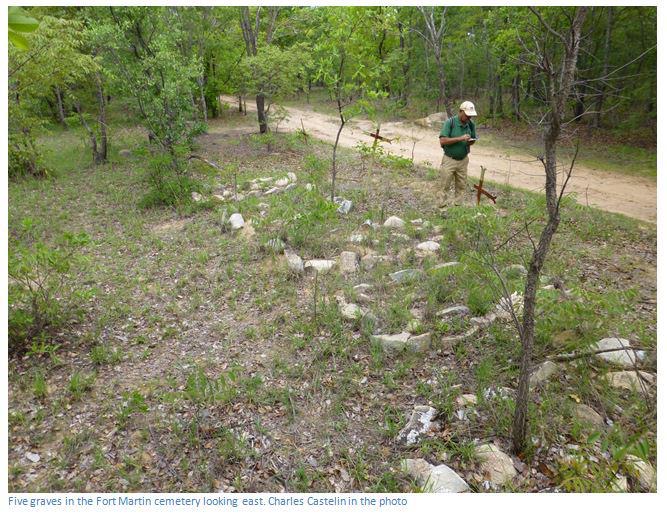
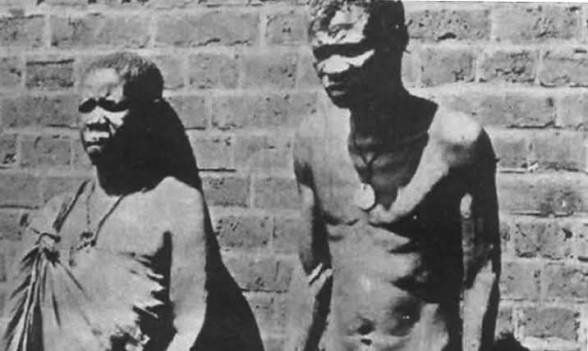
Following the defeat of the First Chimurenga, Nehanda and Kaguvi were captured, tried by the colonial administration and executed by hanging on April 27 1898.
Before her execution, Nehanda is widely recorded as declaring, “Mapfupa angu achamuka” (My bones shall rise again), a prophecy that outlived her death and became one of the defining rallying cries of Zimbabwe’s liberation struggle.
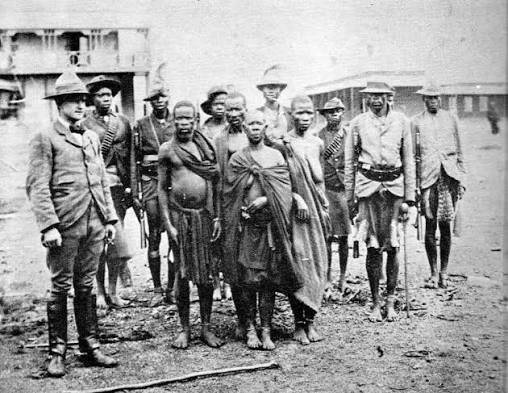
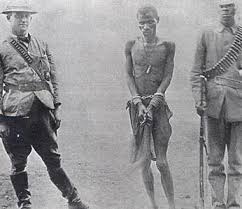
During the Second Chimurenga, fought between the 1960s and 1979, the prophecy was embraced by nationalist movements as a rallying cry for liberation, with many regarding Zimbabwe’s independence in 1980 as the fulfilment of her famous declaration.
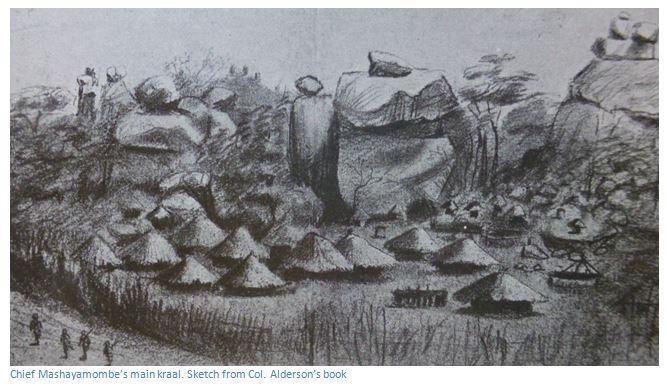
Chief Chinegundu Mashayamombe, who was killed resisting colonial forces in Mhondoro, is likewise remembered as one of the principal military commanders whose legacy remains embedded in the mountains, valleys and sacred sites that local communities are now seeking to protect.
Community calls for protection of heritage
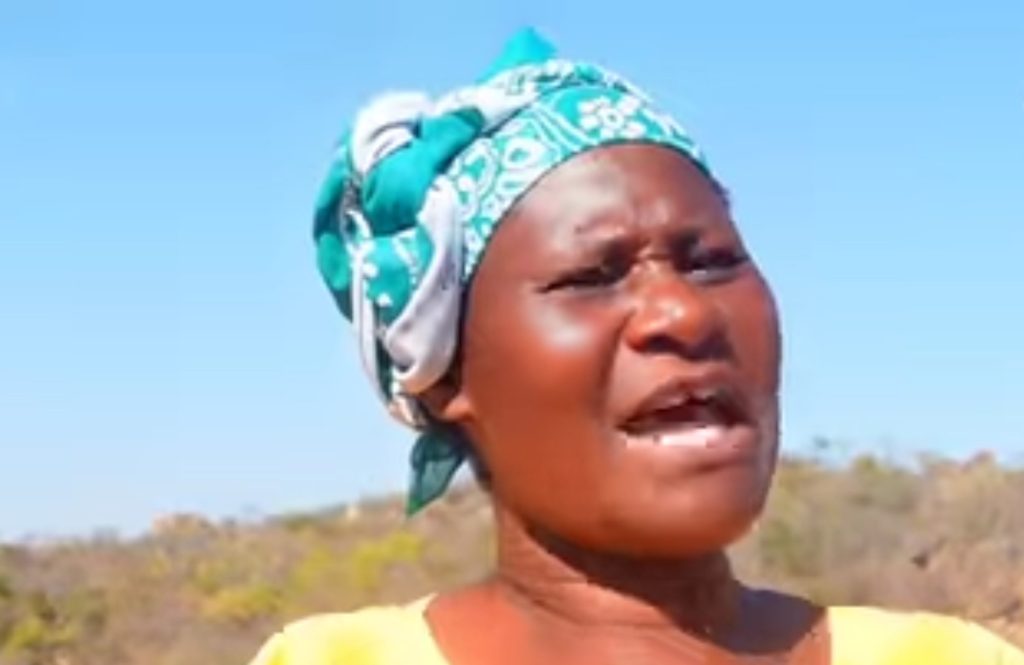
Liana Gumbo ReShumba, who identifies herself as a direct descendant of Sekuru Kaguvi, said the community was not opposed to development but feared the permanent loss of irreplaceable national heritage.
Standing near one of the disputed sites, she said the construction threatened to erase a critical chapter of Zimbabwe’s liberation history and cultural identity.
“The cultural and spiritual significance of Sekuru Kaguvi is being violated.
“This is heritage that is documented in our museums.
“I plead with His Excellency President Emmerson Mnangagwa, Shumba Murambwi, Her Excellency the First Lady Dr Amai Auxillia Mnangagwa and the government to intervene because Kaguvi’s cultural and spiritual heritage is under threat,” she said.
ReShumba stressed that the community was not against development or investment but questioned the choice of location for the project.
“As community members, we are not against development. No genuine Zimbabwean is opposed to development.
“However, we oppose the construction of a cofferdam which will ultimately pave the way for a permanent dam where Kaguvi’s sacred shrines are located,” she said.
She said the proposed construction site contains three cultural shrines belonging to the Mashayamombe royal lineage, areas historically used for rainmaking ceremonies and traditional courts.
“That mountain is sacred ground. It was used for rainmaking ceremonies and traditional courts, yet it is now being destroyed to make way for a cofferdam,” she said.
ReShumba warned that a permanent dam would destroy heritage sites linked to Sekuru Kaguvi and Chief Chinegundu Mashayamombe.
“Zimbabwe has only one mountain and one river associated with Sekuru Kaguvi.
“This is also the only place where the sacred shrines of the Mashayamombe family exist.
“If these shrines are destroyed, the legacy of Sekuru Kaguvi and Chinegundu Mashayamombe will also be destroyed,” she said.
She questioned what future generations would inherit if sites associated with the liberation struggle disappeared.
“What will historians write if these sacred sites are destroyed simply to build a dam?
“Are we not erasing the sacrifices of Sekuru Kaguvi, Chinegundu Mashayamombe and Mbuya Nehanda by allowing GritMine Minerals to proceed?” she asked.
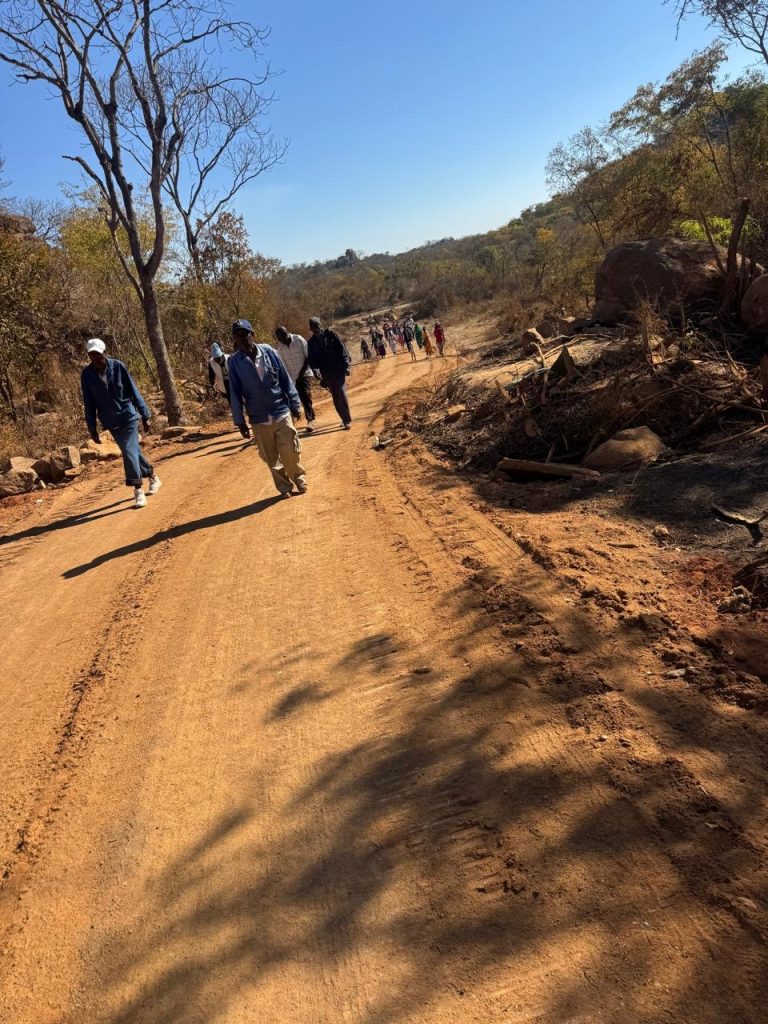
ReShumba said similar proposals had previously been rejected because of the area’s heritage importance.
“Between 1995 and 1996, the National Museums and Monuments of Zimbabwe refused permission for a dam to be built here because they understood the historical and cultural significance of this place.
“I appeal to EMA and ZINWA to consult the National Museums and Monuments of Zimbabwe and understand why approval was refused for so many years,” she said.
A dispute rooted in history
These concerns have emerged at the backdrop of more than a decade dispute
over traditional leadership and ancestral boundaries in Mhondoro and Chegutu.
In a letter dated 18 September 2013, the late Chief Chiketa Mashayamombe wrote to the Chegutu District Administrator complaining about what he described as encroachment by Chief Ngezi into Mashayamombe territory.
“We, the Mashayamombe tribe, are greatly disturbed by the massive intrusion into our designated and lawfully acquired land by Chief Ngezi,” Chief Chiketa wrote.
Members of the Mashayamombe royal family have for years been battling over the restoration of traditional boundaries they say were altered during the colonial era.
The family argues that Wards 23, 24, 25, 26, 28 and 29 historically formed part of the Mashayamombe domain and should remain under its traditional jurisdiction.
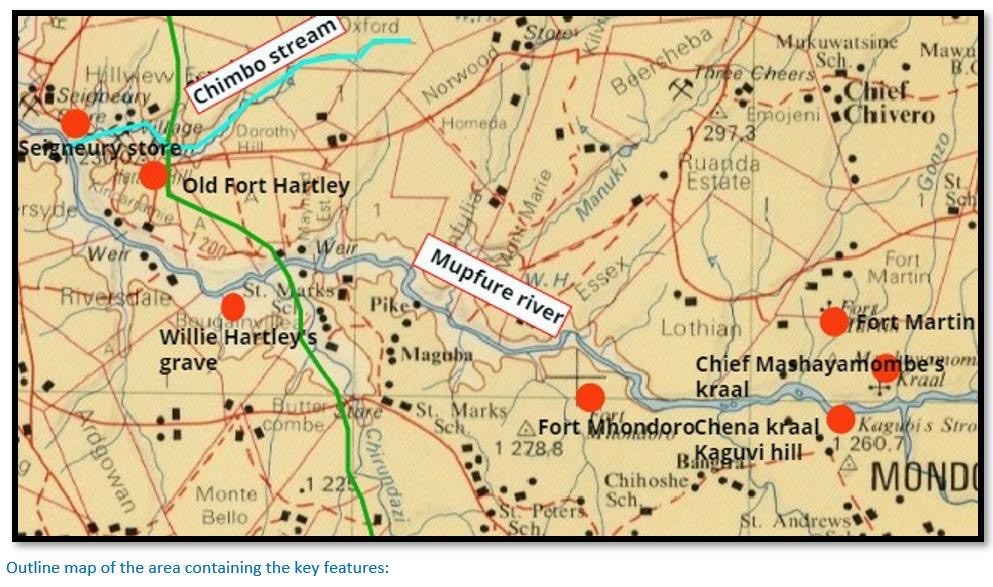
The dispute has intensified following a four-year vacancy in the Mashayamombe chieftaincy after the death of Chief Chiketa Mashayamombe in 2021, leaving the community without an acting chief at a time when residents say their sacred sites are under threat.
For generations, the granite mountains, caves and river valleys of Mhondoro which Sekuru Kaguvi, Mbuya Nehanda and Chinengundu Mashayamombe inhabited have been more than a landscape.
They have been places of worship, rainmaking ceremonies, traditional courts and spiritual consultations, where descendants say the foundations of Zimbabwe’s resistance to colonial rule were laid.
Acting chief joins preservation campaign
Also leading the campaign is former Harare South legislator Shadreck Mashayamombe, whom the Mashayamombe royal family has unanimously nominated to serve as acting chief while awaiting formal government recognition.
He said the community’s campaign was aimed at protecting a heritage landscape that belonged not only to Mhondoro but to Zimbabwe as a whole.
“We have come here as the Mashayamombe and Chivero families to stand for the preservation of our heritage and cultural sites
“We appeal to President Emmerson Mnangagwa, the Munhumutapa, Shumba Murambwi, because our national heritage is being violated.
“If this dam is built, we will lose the very sites that define our chieftainship because our most sacred heritage places will lie beneath the proposed dam,” he said.
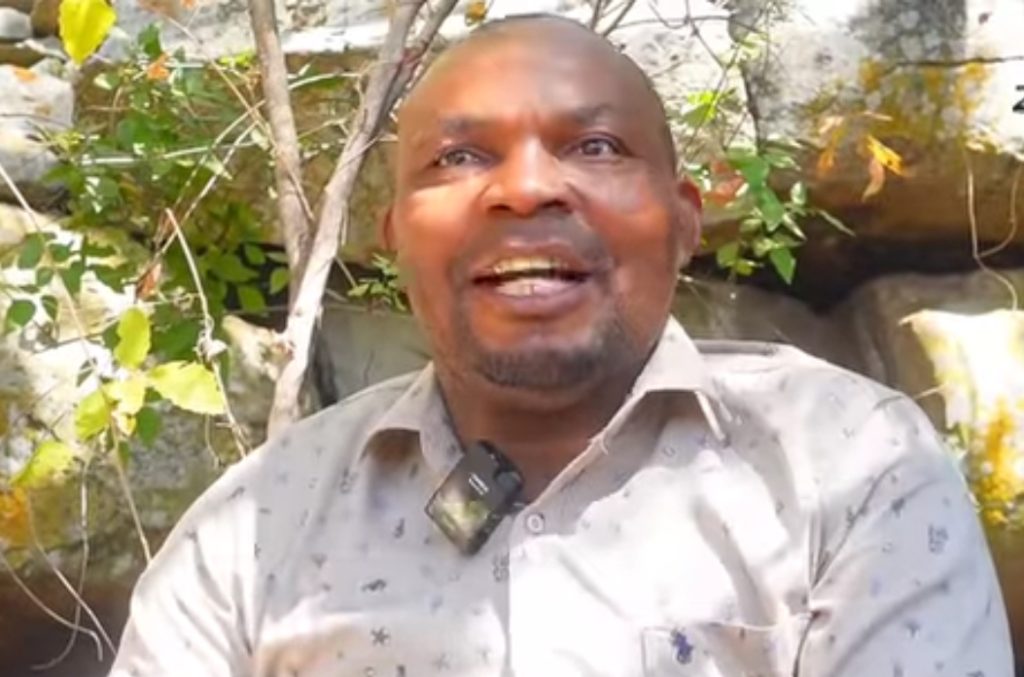
Shadreck Mashayamombe added: “We appeal to the President because he possesses the institutional memory and cultural understanding to appreciate the significance of these heritage sites.”
While acknowledging the importance of mining, he argued that alternative water sources existed without disturbing sacred ground.
“We are not against development. We understand that GritMine Minerals requires water for its mining operations, but the Mupfure River has sufficient water without sacrificing our cultural heritage.
“These heritage sites must be preserved for future generations so they can understand who Chinegundu Mashayamombe and Sekuru Kaguvi were and the role they played in Zimbabwe’s history,” he said.
He also appealed to First Lady Dr Auxillia Mnangagwa, citing her public advocacy for preserving Zimbabwean culture and traditions.
“I also appeal to First Lady Dr Amai Auxillia Mnangagwa, who has distinguished herself as a custodian of Zimbabwean culture and traditions.
“Amai (Dr Auxilia Mnangagwa), the very culture and traditions you have worked tirelessly to preserve are now under threat.
“I respectfully ask Dr Amai Auxillia Mnangagwa to visit this place and hear the concerns of the Kaguvi and Mashayamombe families,” he said.
Shadreck Mashayamombe said the proposed dam also raised questions about ongoing efforts to repatriate the remains of First Chimurenga heroes from Britain.
“Sekuru Kaguvi and Chinegundu Mashayamombe were leading figures of the First Chimurenga.
“Their skulls, taken to Britain, are expected to return. How will they be reburied if this area is submerged beneath a dam?
“Their bodies are buried here, and spirit mediums have told us our ancestors wish to rest on the land they ruled,” he said.
“If their skulls return after these shrines have been flooded, where will they be buried?
“That is why we ask the mother of the nation, Dr Amai Auxillia Mnangagwa, to come and listen to our concerns,” he added.
He said the community understood the purpose of the cofferdam but feared it would become the first step towards a much larger project.
“We understand that the cofferdam is only a temporary structure before construction of a larger dam.
“As a nation, we must remember our roots and never forget where we came from.
“From the First Chimurenga through to the liberation struggle, our leaders consulted spirit mediums until Zimbabwe attained independence in 1980,” he said.
Villagers fear loss of living traditions
One villager, Taferinyika Shumba, questioned what future generations would inherit if the shrines disappear.
“What heritage will our children and future generations inherit if our sacred cultural sites continue to be destroyed?”
“We submitted a petition to Parliament raising these concerns, but to date we have received no meaningful response,” he said.
Traditional leaders have also joined the calls for intervention.
Headman Tobias Rusere Gumbo ReShumba described the developments as deeply painful for local families.
“This sacred land in Mhondoro is the heartbeat and soul of our cultural history,” he said.
“It is saddening that these mining operations are desecrating our heritage with such impunity,” he said.
Members of the Mashayamombe royal family say the disputed area has for centuries served as a centre for traditional governance and spiritual consultation.
Chamunorwa Kaseke said the mountains and shrines remain active cultural sites used by local families.
“This is our ancestral sacred land. It has always been used by the Chivero and Mashayamombe families for prayers, war rituals and rainmaking ceremonies.
“Traditionally, every Mashayamombe chief had to undergo cultural rites on this sacred mountain before assuming office,” he said.
Kaseke said the site’s significance extended beyond local communities.
“This matter concerns the entire nation, not just the Chivero and Mashayamombe families, because this is where traditional spiritual councils met during both the First and Second Chimurenga.
“We are not against development, but we appeal to our leaders to protect and preserve our heritage,” he said.
For elderly residents, the threat is not only to historical landmarks but to a way of life that has survived for generations.
One elderly woman, Ambuya Gumbo ReShumba said the mountains, forests and river form part of the community’s spiritual identity.
“This river and these mountains are sacred to us. Whenever our community faced difficulties, we came here to pray and seek divine intervention
“If we are removed from this ancestral land, who will continue these cultural practices? Who will preserve our heritage,” she said.
Another elderly villager Claudios Mahachi Chafausipo, said that the loss of the sites could sever traditions that have been passed down for centuries.
“Since time immemorial, Mhondoro has been guided by spirit mediums.
“We are now facing the threat of eviction.
“If we are removed from this land, how will we continue practising these traditions,” he said.
Excavation works linked to the proposed cofferdam have reignited a long-running debate over how Zimbabwe should balance mineral exploitation with the protection of sites regarded by local communities as integral to the country’s cultural identity and liberation history.
For the people of Mhondoro, the mountains, shrines and ancestral grounds are more than pieces of land.
They are living symbols of Zimbabwe’s history, culture and identity.
Whether authorities ultimately intervene or allow the project to proceed, the dispute has evolved beyond a local disagreement over mining.
It has become a test of how Zimbabwe reconciles economic development with the preservation of cultural heritage that communities say cannot be replaced once it is lost.