By Marshall Bwanya
HARARE — Chinese-owned lithium producer Sabi Star Mine faces a decisive moment this weekend as Parliament’s Portfolio Committee on Environment, Climate Change and Wildlife travels to Buhera for an on-site verification exercise.
The visit follows a petition by the Buhera Residents Network Trust (BRNT), which accuses the mine of environmental degradation, water contamination and unsafe mining practices.
Parliament’s fact-finding mission marks the next stage of Parliament’s investigation into claims that the mine polluted rivers and underground water sources with hazardous substances, degraded the environment and exposed surrounding communities to health and livelihood risks.
The parliamentary inquiry was triggered by a petition submitted by the BRNT, which accuses Sabi Star Mine of contaminating water sources relied upon by local communities, over-abstracting water, causing worker injuries and displacing villagers affected by the mine’s expanding operations.
BRNT petition builds on concerns that have been mounting since last year over the environmental and social consequences of lithium mining in Buhera.
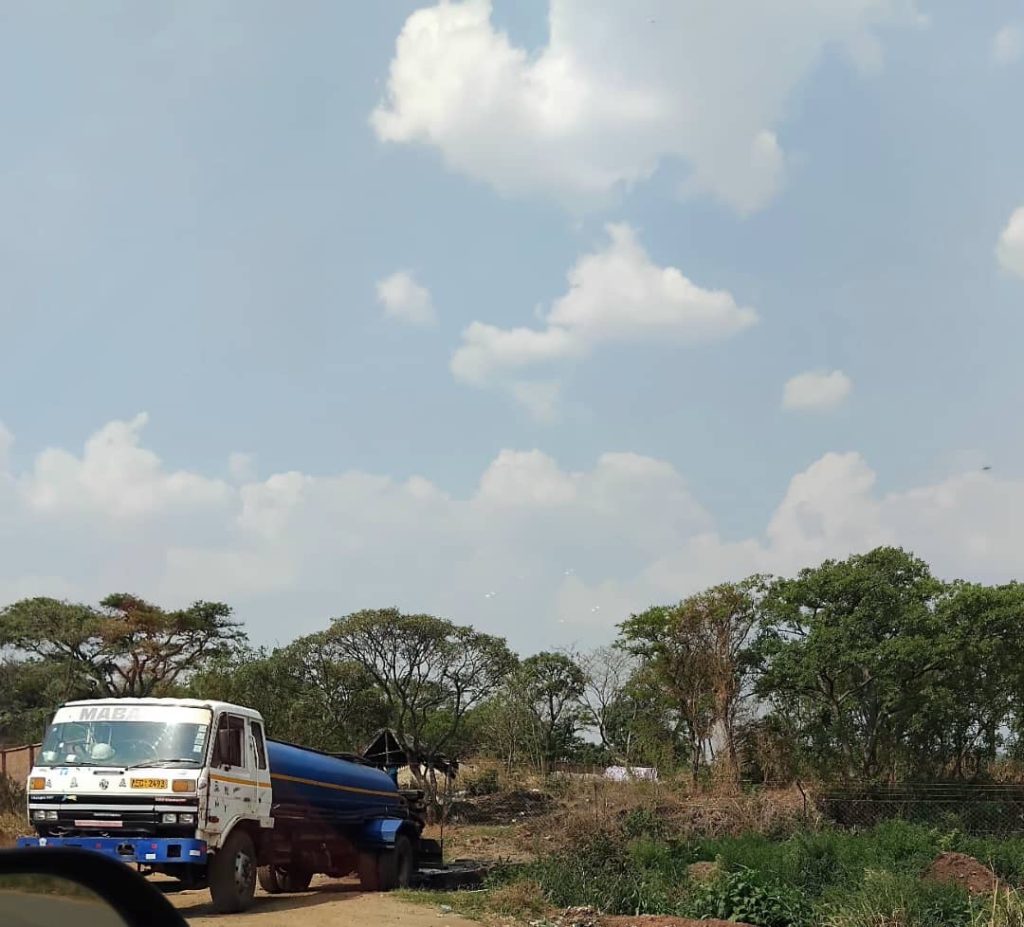
Residents, environmental groups and local leaders have repeatedly complained about dust pollution from ore-haulage trucks, alleged contamination of water sources, destruction of grazing land and crop fields, and an increase in respiratory illnesses in communities surrounding the mine.
Community leaders have also accused the company of failing to honour commitments to upgrade the heavily used haulage road linking the mine to the highway despite repeated engagements with local authorities.
Buhera North legislator Phillip Guyo previously criticised the mine for failing to fulfil promises to construct a tarred road servicing the mining operation, while the Centre for Natural Resource Governance (CNRG) warned that dust generated by haulage trucks was affecting homes, schools, fields and food crops.
The Environmental Management Agency (EMA) also previously fined the company following complaints over air pollution.
The latest allegations were laid before Parliament on Monday when the BRNT appeared before the Portfolio Committee armed with maps, laboratory results, photographs of injured workers and testimony from residents who say mining activities have disrupted their water supplies, damaged the environment and affected public health.
The hearing, chaired by committee chairperson Sam Matema, considered a petition titled “Environmental Degradation, Water Pollution, Water Overabstraction, Worker Injuries and Internal Displacement of Local Communities: A Case of Sabi Star Mine in Buhera.”
Leading the BRNT delegation, Leonard Mabasa told lawmakers that a borehole drilled by the mining company in Mukwasi Village, approximately 60 metres deep and located within residential homesteads, had become a source of concern after villagers reported that its water turned reddish-brown when left to settle.
According to the petitioners, some residents have abandoned the borehole altogether and instead dug their own wells and boreholes, while a stream flowing from the mine dump area through the village reportedly emits a pungent smell.
BRNT said it collected water samples from boreholes, wells and the affected stream in collaboration with EMA.
However, the process was allegedly compromised after the first batch of samples was reportedly lost by the agency’s laboratory.
Although replacement samples were later collected, petitioners told Parliament that some of the results were never shared with the affected community.
The parliamentary visit follows an appearance before the committee on Monday by the mine’s managing director, Chinese investor Zhong, who was summoned to respond to the allegations but did not give oral evidence, citing a language barrier.
Instead, Sabi Star Mine later submitted written representations to Parliament, prompting lawmakers to proceed with an on-site verification exercise to assess the competing claims.
According to a circular issued by Parliament’s Public Relations Department, the committee will travel to Buhera on Sunday for a one-day verification exercise designed to reconcile evidence presented by both the petitioners and the mining company.
Lawmakers are expected to hold three public engagements during the visit.
They will first meet residents at Mukwasi Primary School in Ward 12 before inspecting areas along the mining corridor, including St Albans Primary School in Ward 11, where they will assess the reported impact of mining activities on nearby schools and surrounding communities.
The committee will conclude its programme at the Buhera Rural District Council boardroom in Murambinda, where it will receive submissions from local authorities and other stakeholders.
Despite criticism directed at Sabi Star Mine after its managing director failed to testify in person, Matema dismissed suggestions that the company’s delegation had acted arrogantly, insisting that Parliament’s investigation would be guided by evidence gathered during the inquiry.
“It captured in the written submissions. What we do as a committee, we receive oral evidence from the petitioner.
“We receive oral evidence from the accused, for a lack of a better term, after that we go on the ground to reconcile the two positions and we depart from a point of evidence,” said Matema.
“So that is the next round. We will be going on a date to be agreed to Sabi Star with that petition in hand.
“We meet the locals and relevant stakeholders and receive their submissions as well,” added Matema.
The committee’s findings are expected to determine whether the allegations against Sabi Star Mine are substantiated and whether Parliament should recommend regulatory intervention or further action by relevant authorities.
Parliament’s investigation comes at a time of heightened scrutiny of Zimbabwe’s rapidly expanding lithium sector, as environmental campaigners and affected communities increasingly question whether existing safeguards are keeping pace with the mining boom and whether regulatory authorities are adequately enforcing compliance.