By Naledi Nyoni
KARIBA — Zimbabwe has unveiled a five-year tourism strategy aimed at turning the sector into a US$5 billion industry by 2030, with the government betting on stronger marketing, infrastructure upgrades and community involvement to drive growth.
The National Tourism Sector Strategic Plan 2026–2030 was launched during a stakeholder consultation workshop in Kariba, bringing together government officials, tourism operators, private sector players and civil society groups to map the sector’s future.
Mashonaland West acting provincial tourism head Ellison Chigerwe said the strategy marked a critical step towards building a more competitive and resilient tourism industry.
“This consultation is a critical milestone in shaping the sector’s future.
“The National Tourism Sector Strategic Plan 2026–2030 provides a comprehensive framework for sustainable growth, competitiveness, inclusivity and resilience,” Chigerwe said.
He said tourism’s success depended on cooperation between government agencies, local authorities, businesses, communities and academic institutions.
The strategy is anchored on eight pillars, including diversifying tourism products, improving visitor experiences, strengthening Zimbabwe’s global tourism brand, promoting responsible tourism, increasing infrastructure investment and embracing technology.
Chigerwe said the blueprint was designed to ensure tourism growth benefits ordinary Zimbabweans while protecting the country’s natural and cultural heritage.
“Tourism must deliver inclusive benefits, create jobs, support small businesses and safeguard our attractions for future generations,” he said.
Chief Director for Tourism and Hospitality Industry Tarisai Musonza said the sector was not only about leisure but could become a major driver of rural development, employment creation and foreign currency generation.
“Tourism creates opportunities where our natural and cultural heritage already exists, primarily in rural areas like Kariba,” Musonza said.
She said the government wanted communities living around tourism destinations to become active participants and beneficiaries of the industry’s expansion.
The ambitious target comes as Zimbabwe’s tourism sector continues recovering from the impact of the Covid-19 pandemic.
Visitor arrivals rose to 1.45 million in 2024, from 1.04 million the previous year, generating about US$1.16 billion in revenue.
Tourism currently contributes about 4.1% to gross domestic product and supports an estimated 200,000 jobs.
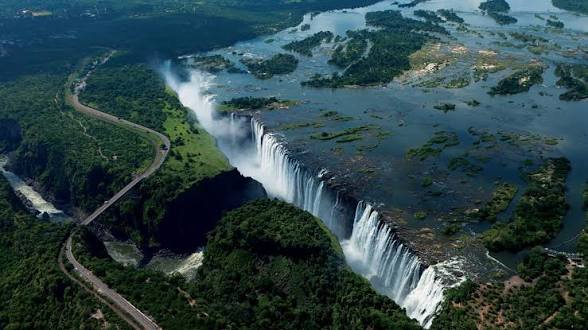
The government now wants to more than quadruple tourism earnings by 2030, using attractions such as Victoria Falls, Mana Pools, Great Zimbabwe and Matobo Hills to position Zimbabwe as a leading regional destination.
Kariba, which hosted the consultation meeting, has been identified as a key tourism hub because of its wildlife, fishing and boating activities centred around Lake Kariba.
Stakeholders said improving access to tourism destinations would be critical, with ongoing upgrades at Robert Gabriel Mugabe International Airport and Victoria Falls Airport expected to support increased visitor numbers.
The government also highlighted the Victoria Falls Special Economic Zone as part of broader efforts to expand tourism-related investment.
However, officials acknowledged that climate change poses a growing threat to the sector.
Declining water levels at Lake Kariba and Victoria Falls have affected both tourism activities and energy generation, raising concerns about the industry’s ability to withstand environmental shocks.
Stakeholders said achieving the US$5 billion target would require more than policy commitments, with successful implementation, realistic financing and adaptation to changing tourist preferences key to turning the blueprint into reality.