By Victor Fanuel
HARARE — Pressure group We The People has launched a shadow parliament, saying it wants to turn public frustration into organised political action and develop alternatives to government policy.
“Zimbabwe belongs to its people. And the people must organise themselves to govern it,” Masaraure said.
He said the initiative was being established amid economic hardship, political exclusion and weakening public institutions.
“We are not here simply to complain about the problems facing Zimbabwe.
We are here to organise people to solve them,” he said.
The group says its People’s Parliament is a citizen-driven legislative and deliberative body intended to build popular power, shape public discourse and deliver social progress.
Masaraure said Zimbabwe’s workers, peasants, vendors, unemployed youth, informal traders, small-scale miners, women and other marginalised groups had been excluded from decisions affecting their lives.
“We have been persuaded to believe that chanting a party slogan makes us part of the ruling class, even when we cannot afford a decent meal, quality education for our children, decent healthcare or secure housing,” he said.
He called for citizens to organise around common interests rather than partisan, religious, tribal or geographical divisions.
The shadow parliament has established 10 committees covering social services, labour and the informal economy; women, youth, minorities and disability affairs; sports, culture, arts and heritage; agriculture, land and the environment; mines and mineral resources; infrastructure, housing, transport and energy; finance, economic development and trade; foreign affairs, defence, security and veterans affairs; justice, human rights and electoral reforms; and communication, technology and artificial intelligence.
Each committee is expected to produce an evidence-based policy document in its first quarter for debate and adoption by the People’s Parliament.
Masaraure said the committees must listen to communities, gather evidence and develop policies that improve the lives of ordinary citizens.
“Every committee must ultimately answer the question, how does our work improve the lives and strengthen the power of ordinary citizens?” he said.
The group said its first two sittings would prioritise debate and adoption of the We The People Draft Devolution Bill 2026.
Masaraure said the devolution campaign would then be taken into communities to build grassroots structures, particularly Ward Development Assemblies, where residents could identify priorities and participate in decisions on local development resources.
He also called for the creation of Social Audit Committees made up of independent citizens to monitor public expenditure, inspect projects and review financial records.
“If money is allocated for a road, we must ask: Where is the road?
If money is allocated for a clinic, we must ask: Where is the clinic?” he said.
The group’s concept note proposes advocacy for up to 35% of the national development budget to be devolved to local authorities over five years, alongside a Women’s Component Plan reserving at least 10% of devolved local budgets for projects designed, proposed and managed by women.
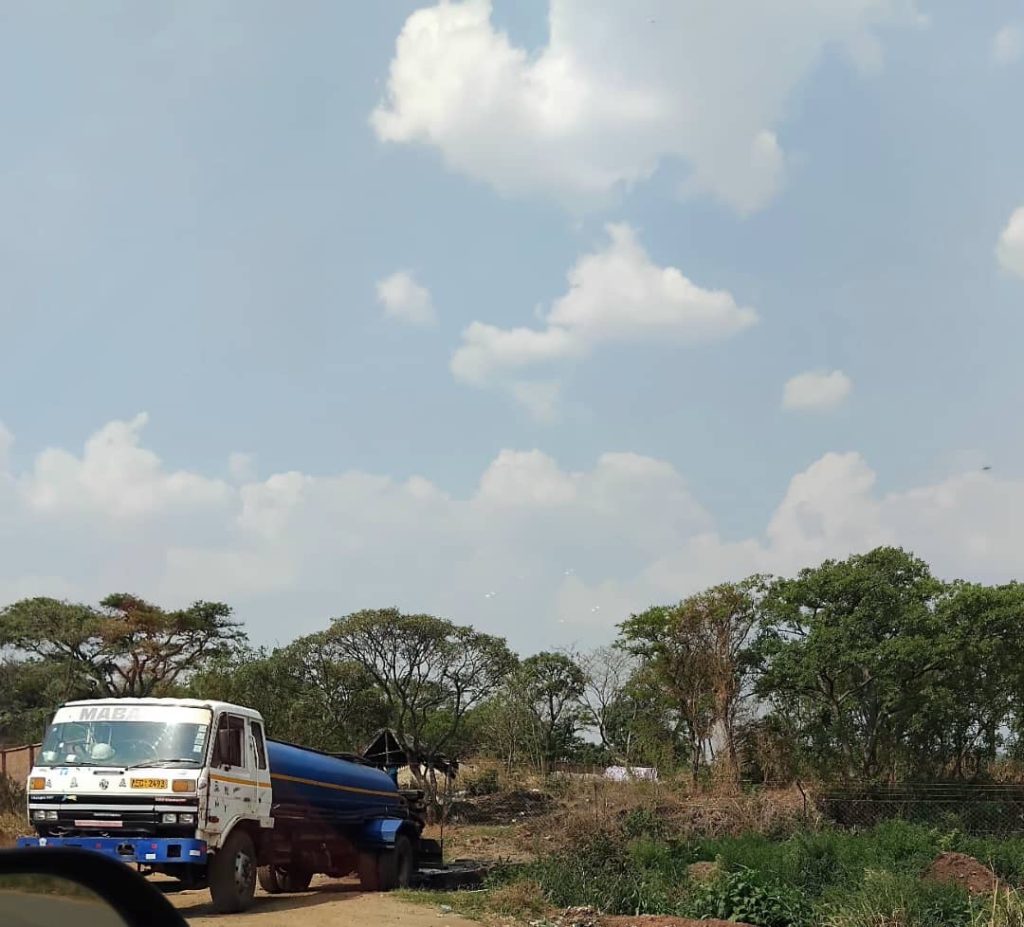
Masaraure said the initiative had already begun with members monitoring environmental destruction in Shamva and Monavale, while others had petitioned Local Government Minister Daniel Garwe to suspend the eviction of vendors.
He urged members to see their roles as a responsibility rather than a badge or title.
“Do not come here looking for a title. Come looking for a task,” he said.
The shadow MP said the group would seek to build a political culture in which citizens from different parties, religions and tribes could work together on common problems.
“A culture where a Zanu PF supporter can sit with an opposition supporter and discuss the price of bread,” he said.
Masaraure said the People’s Parliament would not wait for permission to organise around citizens’ concerns.
“We are not asking to be invited into a system that excludes us.
We are organising to transform that system,” he said.
The address ended with a call for members to return to their communities with responsibilities and turn public grievances into organised action.
“Democracy is something citizens do,” Masaraure said.