By Staff Reporter
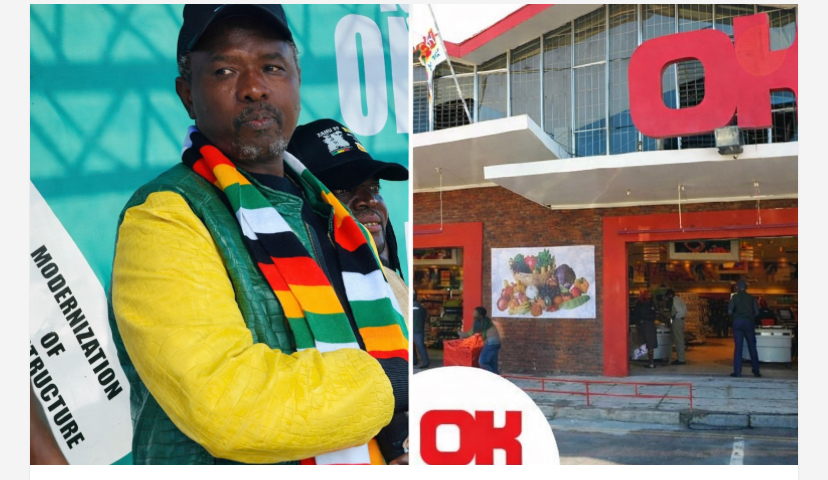
Bulawayo — ZANU PF’s unexpected win in the Nkulumane parliamentary by-election, an area long dominated by the opposition, has been largely credited to the visibility and influence of Presidential Special Adviser Dr Paul Tungwarara, whose development-centred campaign reframed the contest around service delivery.
Tungwarara played a leading role throughout the campaign, telling residents that decades of opposition representation in urban constituencies had failed to produce tangible improvements.
Addressing rallies in Nkulumane, he said the opposition had “had its opportunity for the past 20 years” but had delivered little in terms of infrastructure and basic services.
He urged voters to “try Zanu PF” and judge the party by what it could deliver on the ground.
His message was anchored on concrete commitments.
Zanu PF pledged borehole drilling to ease water shortages, rehabilitation of roads and sewer systems, electricity upgrades, food aid and agricultural inputs.
The party also announced a US$100 000 revolving constituency fund to support local income-generating projects.
Tungwarara argued that development should not be postponed by electoral cycles and said urban communities deserved the same attention long directed at rural areas.
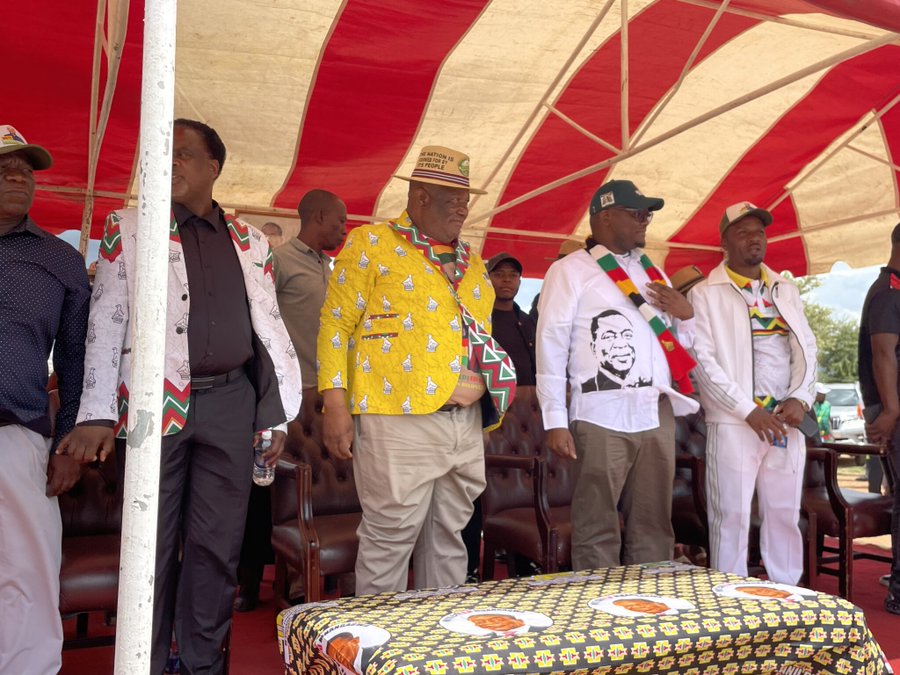
Tungwarara’s constant presence at rallies and community meetings was used by Zanu PF to signal strong backing from the Presidency and a readiness to act.
He framed the by-election as a referendum on delivery, not rhetoric, in a constituency facing deteriorating infrastructure, unemployment and water insecurity.
On polling day, Zanu PF candidate Freedom Murechu overturned the opposition’s historical hold on the seat.
Party officials described the outcome as a validation of a “development-first” strategy driven by Tungwarara, which shifted voter focus from party allegiance to immediate socio-economic needs.
While opposition parties and civic groups criticised the campaign, accusing Zanu PF of transactional politics and inducements, the ruling party rejected the claims.
Tungwarara maintained that responding to community needs was governance, not vote-buying.
The Nkulumane result highlights the growing role of the presidential adviser in shaping Zanu PF urban electoral strategy.
It also places pressure on the ruling party to deliver on its pledges, with Nkulumane now seen as a key test of whether Tungwarara’s intervention marks a real shift from promises to implementation.