By Victor Fanuel
HARARE — The ongoing rehabilitation of Parirenyatwa Group of Hospitals marks a long-awaited turning point in Zimbabwe’s public healthcare system, which for years has struggled under the weight of ageing infrastructure, underinvestment and rising demand for services.
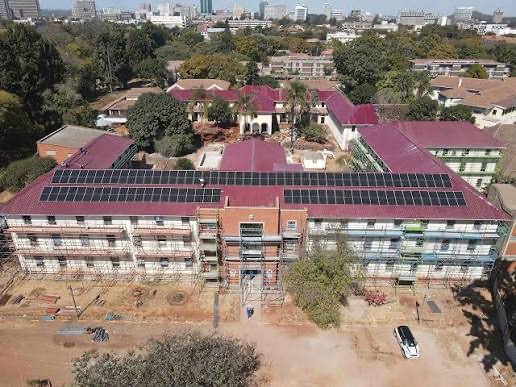
The reopening of Adlam House nurses’ residence and the Mbuya Nehanda Maternity Ward, scheduled for early next month, is being widely viewed as a tangible response to longstanding concerns about the country’s largest referral hospital, once a symbol of excellence in medical training and specialist care.
Parirenyatwa, originally opened nearly 70 years ago as Andrew Fleming Hospital, has for decades served as the backbone of Zimbabwe’s tertiary healthcare system.
However, like many public health institutions, it suffered severe deterioration over the years due to constrained fiscal space, economic shocks and growing patient loads, resulting in chronic shortages of accommodation for staff, unreliable water and power supplies, and outdated clinical infrastructure.
Against this backdrop, the current refurbishment programme represents the most comprehensive rehabilitation effort undertaken at the institution since its establishment.
Government says the Adlam House nurses’ residence is targeted for reopening by February 14, while the Mbuya Nehanda Maternity Ward is expected to be operational by April 18.
Finance, Economic Development and Investment Promotion permanent secretary George Guvamatanga on Monday toured the two facilities to assess progress on the works, reaffirming Treasury’s commitment to ensuring the hospital reopens fully functional and properly equipped.
Guvamatanga said treasurer would immediately begin releasing additional funding for the project following consultations with the contractor, Prevail International, to close remaining gaps and ensure the facilities open fully operational.
He said the nurses’ residence was about 60 to 70 percent complete, with structural works largely done.
“You do not want to open a beautiful hospital with good equipment but without medicines.
“So, taking into account equipment, beds, linen and drugs, I would say we are around 60 to 70 percent complete,” said Guvamatanga.
He said Government had set firm timelines for completion.
“The nurses’ residence should be ready for operation by Valentine’s Day and Mbuya Nehanda by Independence Day,” added Gumatanga.
Guvamatanga said, adding that immediate discussions with the contractor would focus on funding priorities to meet those targets.
“Immediately after the meeting, I am dragging the contractor to my office so that we get a better understanding of the key funding requirements that would allow us to complete the nurses’ residence so that it’s ready for operation, I would say probably by Valentine’s Day.”
The rehabilitation programme is being implemented in three phases, covering student accommodation, maternity facilities and the 1 400-bed main hospital.
The first phase focused on the refurbishment of the nurses’ residence, which had deteriorated to the point of housing only 40 student nurses out of a possible 353 — a situation that had directly affected staff morale and training capacity.
Upgrades include the drilling of eight boreholes, installation of a 30 000-litre water tank, a 120kW solar power system, and the construction of a swimming pool for recreation, addressing persistent water and power challenges that previously disrupted hospital operations.
The second phase targets the Mbuya Nehanda Maternity Hospital, where works include removal of old floors and ceilings, plumbing repairs, and upgrades to patient reception areas, nurseries and infection control systems.
This is critical intervention in a facility that handles thousands of births annually.
The third and most extensive phase will focus on refurbishing the 1 400-bed main hospital block, which has long symbolised both the importance of Parirenyatwa and the consequences of delayed infrastructure renewal.
Guvamatanga said government was engaging Prevail International to deliver a full turnkey solution, ensuring the hospital opens fully equipped and ready for use.
“When we say turnkey, we mean the doctor is given the keys and the hospital is ready to operate, beds, linen, cups, everything.
“We are ready to operate fully equipped with beds, linens, teaspoons, cups, it is a complete service that we are actually expecting to get because we don’t want to be running around with tenders or other things,” added Guvamatanga.
He said discussions would focus on funding priorities to address remaining gaps, particularly specialised equipment.
“There are a few areas where we need to strike first in terms of getting some of the equipment. It’s got to be time for it to come through,” he said.
The Parirenyatwa upgrade forms part of a broader transformation of public health infrastructure, with similar works under way at Sally Mugabe Central Hospital and in Mutoko, largely under the National Development Strategy (NDS) 1 and 2 frameworks.
“As you can see, we now have world-class facilities, but again this is only the beginning.
“Parirenyatwa is a group of hospitals. We have just done the nurses residence, we have just done the Mbuya Nehanda, we still have the Annex, we still have many other departments, we still have the main hospital,” said Guvamatanga.
“NDS1 was about prioritising infrastructure so that we create the best for our economy to grow.
“NDS2 is prioritising the social services. It’s about health, it’s about education, it’s about making sure that we’ve got world-class facilities,” he added.
Guvamatanga said the health sector upgrade programme, running from 2026 to 2030 under NDS2, represented good value for money from a Treasury perspective.
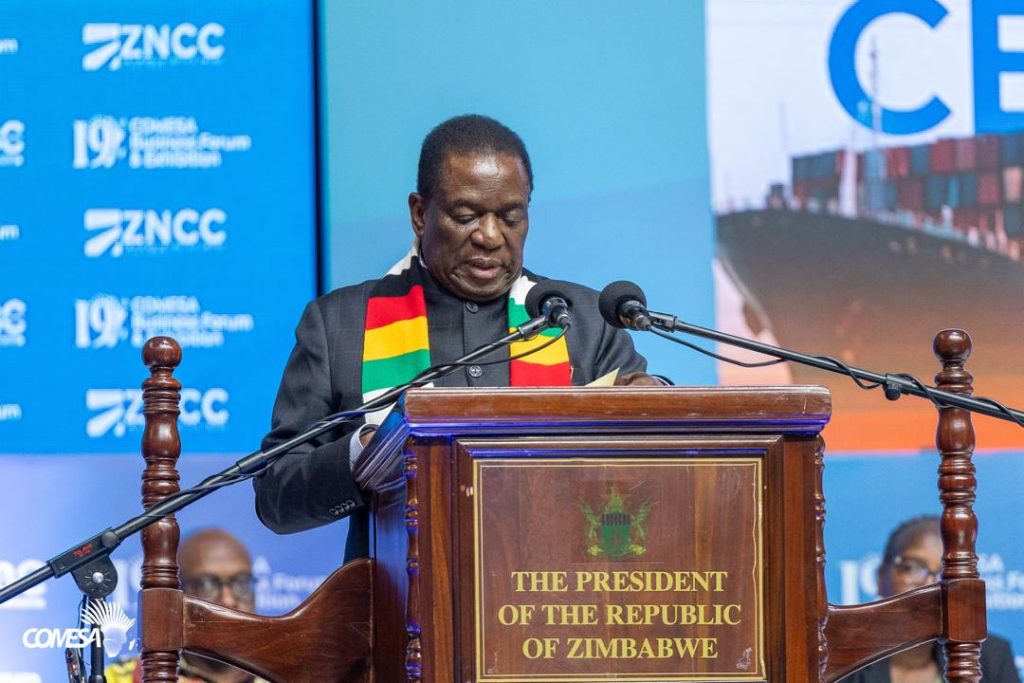
The urgency of the reforms was underscored last year when President Emmerson Mnangagwa conducted an unannounced visit to Parirenyatwa Group of Hospitals, where he expressed concern over its dilapidated condition and directed authorities to fast-track refurbishment works.
The wider Government programme to modernise the health sector includes upgrading infrastructure, equipping facilities, and improving drug and consumables supply, with a renewed focus on provincial and district hospitals across the country.
For a healthcare system long defined by resilience amid constraint, the Parirenyatwa revamp is widely seen as a decisive step in restoring public confidence and reaffirming the state’s commitment to accessible, dignified and modern healthcare delivery.