By Naledi Nyoni
HARARE – Zimbabwe’s 2025 mid-term budget has come under scrutiny after a review revealed glaring gaps in funding and execution for the country’s health and education sectors, raising questions about the government’s commitment to human capital development.
A report compiled by Citizens In Action Southern Africa (CIASA), highlights that while the education sector received 26% of the national budget – meeting international benchmarks – health allocations stood at 13%, below the Abuja Declaration target of 15%.
Compounding the issue, budget utilisation across both sectors remains strikingly low, with health spending at just 25% and primary and secondary education at 31% by mid-year.
Overall, only 36% of the national budget had been utilised at mid-term – the lowest rate in five years.
Analysts say the discrepancy reflects political priorities, noting that the Office of the President and Cabinet reported an 81% utilisation rate, far outpacing social sectors.
Zimbabwe’s health sector continues to reel from shortages of staff, medicines and infrastructure.
Between 2022 and 2023, at least 3,200 health professionals left the country, while public hospitals reported medicine stocks at less than 50% at the end of 2024.
The country averages just 0.17 physicians per 1,000 people, far below the global rate of 1.71.
Although the government earmarked funds from the sugar tax for cancer equipment and pledged ZiG150 million for ambulances, no procurement has been made so far.
With the United States recently suspending 15 of 23 health programmes, resulting in a 21% drop in donor funding, the absence of contingency plans has deepened fears of collapsing service delivery.
While Zimbabwe enjoys one of the highest enrolment rates in sub-Saharan Africa – with 90% of primary-aged children in school – access to quality education remains constrained.
A 2025 parliamentary report revealed a deficit of 3,000 schools, forcing children to walk an average of 13 km to class, while teacher-to-pupil ratios stand at 1:40.
Budget execution has worsened, with many schools still waiting for funds under the Basic Education Assistance Module (BEAM).
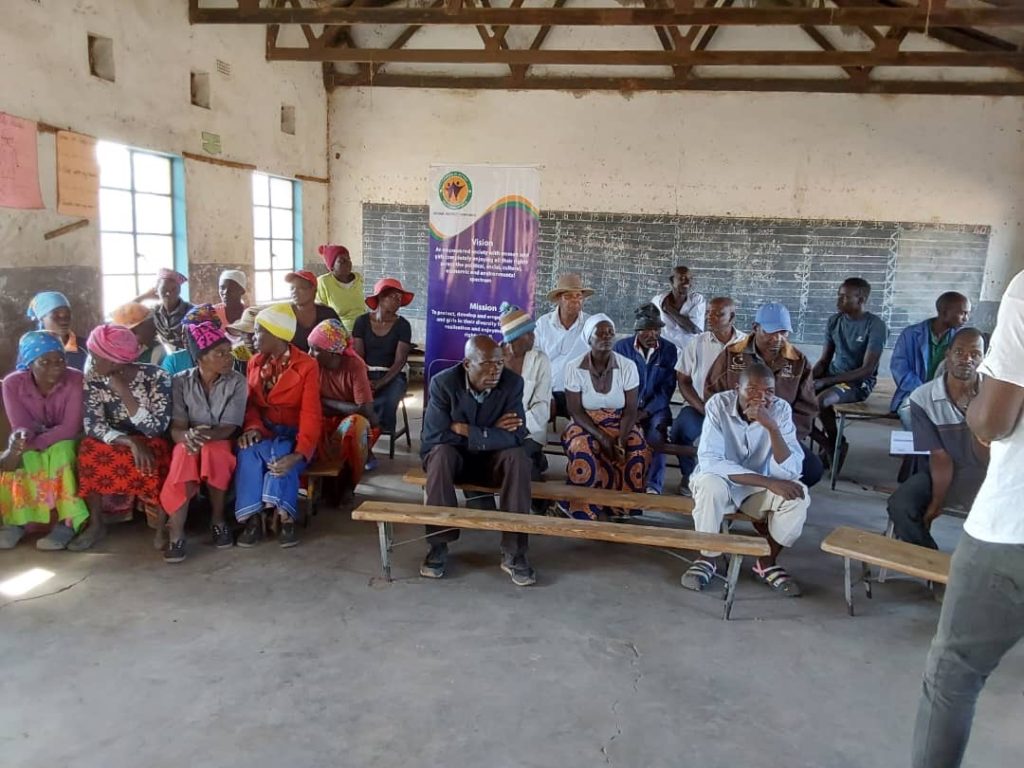
In Buhera, a headmistress reported that over 60% of pupils were on BEAM, yet her school had not received allocations for two terms.
Moreover, 92% of the primary and secondary education budget is spent on salaries, leaving less than 1% for capital investment such as classroom construction.
Only five new schools were under construction in the first half of 2025, a fraction of what is needed.
In the report CIASA recommends a restructuring of budget priorities, including capping wage expenditure at 65% to free resources for infrastructure, creating a ring-fenced national fund for schools and health facilities, and strengthening local drug manufacturing through public-private partnerships.
The report also urges the government to adopt modular building technologies to accelerate classroom and hospital construction, while instituting performance-based budgeting and digitalised procurement to curb inefficiencies.
Despite Vision 2030’s emphasis on building a strong social sector, analysts warn that Zimbabwe’s human capital investment remains fragile.
Without urgent reforms, the gap between policy promises and lived realities in classrooms and clinics is set to widen.