By Victor Fanuel
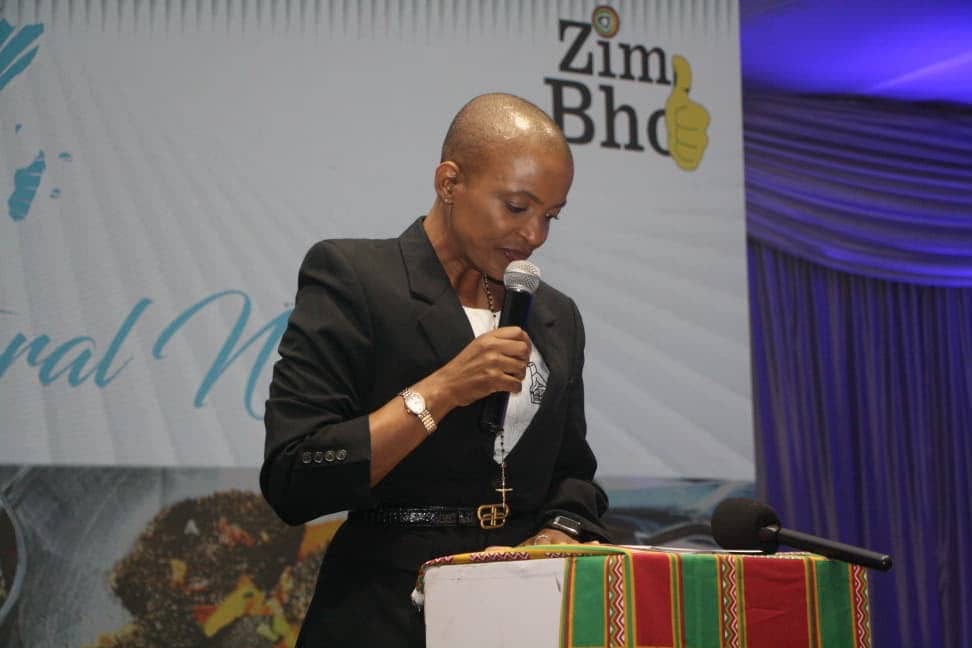
HARARE — The director of the Crisis in Zimbabwe Coalition (CiZC), Dr Blessing Vava, was on Tuesday deported from Tanzania after being detained overnight and branded a “security risk” by immigration authorities.
Dr Vava’s deportation and detainment has drawn sharp condemnation from civil-society groups across the region and shone a light on the country’s escalating repression ahead of its disputed elections.
He had travelled to Dar es Salaam on a solidarity mission to meet with frontline civil-society organisations and social movements reportedly facing state persecution ahead of Tanzania’s tightly controlled vote.
Upon arrival at Julius Nyerere International Airport on October 28 2025, his passport was confiscated and he was subjected to hours of interrogation before being informed that he was “not welcome” in the country.
According to CiZC, the human-rights defender spent the night detained in an airport holding cell without blankets before being deported the next day.
In a statement issued on Wednesday, CiZC, a network of more than 80 Zimbabwean civil-society organisations, described the deportation as “barbaric” and an affront to human rights, Pan-African solidarity and the ideals of Tanzania’s founding president, Julius Nyerere.
“This is an affront to the dignity of the African child and goes against the values of Ubuntu.
“We are disturbed by the continued harassment of human-rights defenders and election observers whose work is not criminal but to promote democracy and accountability,” CiZC said.
Dr Vava’s deportation comes amid a tense political climate in Tanzania, where the arrest of opposition leaders and the suppression of dissent have sparked nationwide protests and violent clashes.
Rights groups say President Samia Suluhu Hassan’s government has reverted to authoritarian tactics reminiscent of the late John Magufuli’s era, despite earlier promises of reform.
In April, prominent opposition leader and CHADEMA chairperson Tundu Lissu was arrested and charged with treason after leading a peaceful rally calling for electoral reforms under the slogan “No Reforms, No Election.”
Two senior CHADEMA officials were later detained while attempting to attend his trial, and the party itself was subsequently barred from contesting the election after refusing to sign a government-imposed code of conduct — a decision it called “unconstitutional.”
Protests erupted across Dar es Salaam and other cities on election day, 29 October, as Tanzanians took to the streets to denounce what many described as a “one-horse-race election.”
Demonstrators burned a police outpost, tore down campaign banners of the ruling Chama Cha Mapinduzi (CCM) party, and clashed with riot police, who responded with tear gas and arrests.
A nationwide curfew was later imposed, while digital-rights groups reported widespread internet disruptions and restrictions on messaging apps.
International rights watchdogs, including Amnesty International and Human Rights Watch, have condemned Tanzania’s heavy-handed response to dissent, calling for the release of political detainees and the restoration of civic freedoms.
Amnesty described the arrests and deportations of activists, including foreign observers such as Dr Vava, as part of a broader campaign to “silence scrutiny ahead of an unfree election.”
Analysts note that the developments mark a sharp reversal for President Suluhu Hassan, who initially won praise for reopening political space and engaging with the opposition after taking office in 2021.
The renewed crackdown, they warn, risks entrenching Tanzania’s image as an emerging autocracy and could destabilise the region.
In Harare, CiZC said the deportation of Dr Vava reflected a growing intolerance towards civic voices across Africa, particularly those advocating for accountability and democratic governance.
“Tanzania’s actions should alarm every democracy-loving African.
“We stand in solidarity with our colleagues in Tanzania who continue to demand their right to free and fair participation in governance,” the coalition said.
Dr Vava’s deportation underscores how regional solidarity for democracy is increasingly being met with hostility.