By Marshall Bwanya
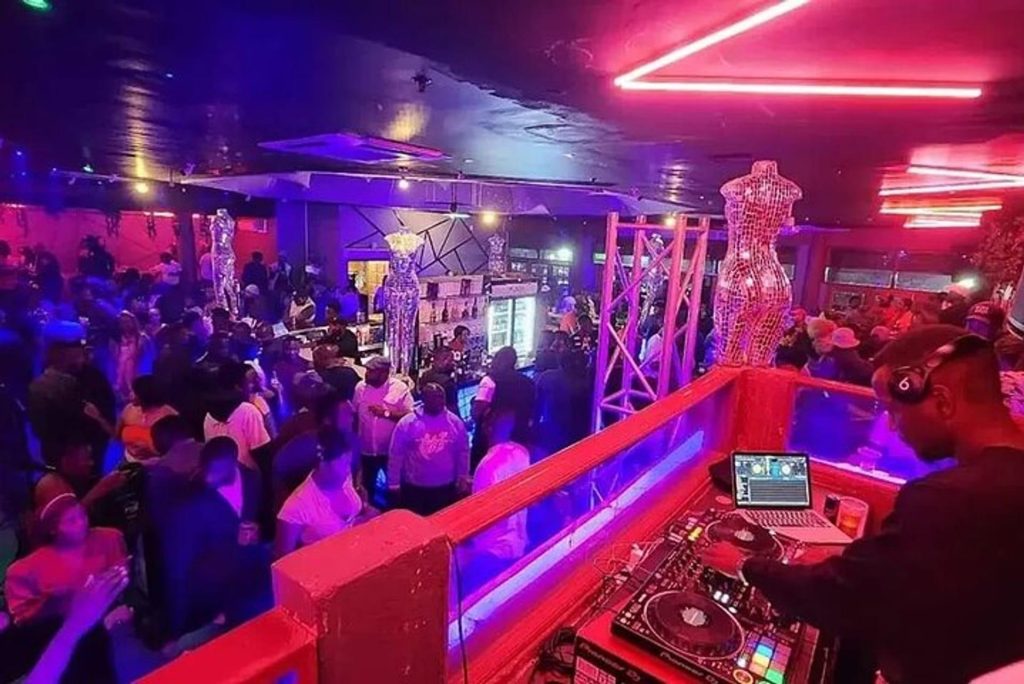
HARARE — Merry-goers packed Guzzlers Sports Club in Kuwadzana 6, Harare, in April 2025 as music blared and patrons drank and danced.
The atmosphere changed when a male party-goer began twerking on the dance floor.
Some male patrons took offence at the dancing and confronted him, with the dispute escalating into a physical confrontation.
During the melee, two female companions of the male patron who was twerking stood in defence of their colleague as a dozen or so agitated revellers appeared intent on beating him.
The MC, who had been performing as the confrontation unfolded, intervened and shouted: “We don’t want no chi chi chi man here.”
“Chi chi man” is a derogatory term used to demean men perceived as feminine or gay.
The unidentified male patron was eventually thrown out of the club, with his two female companions angrily leaving in protest at what they saw as the victimisation of their friend.
His removal, however, was about more than the end of an uncomfortable moment on a crowded dance floor.
It raised a broader question about what happens to lesbian, gay, bisexual, transgender and intersex (LGBTQI) people when they enter Zimbabwe’s clubs, bars, restaurants and other social spaces.
These are places where people go to relax, meet friends, find partners and simply enjoy themselves.
For some LGBTQI community members, choosing where to spend a night out involves more than considering the music, food or atmosphere.
It means considering whether they can relax without being mocked, confronted or singled out.
“You can go out wanting to have fun, but you are always thinking about who is watching you,” said one LGBTQI community member who asked not to be identified because of concerns about being outed.
“Sometimes you just want to dance and enjoy the music without somebody deciding that your existence is offensive.
“How I dance or behave should not offend someone I have a relationship with,” the person added.
That calculation, community members say, can affect where they go, what they wear and how openly they interact with friends or partners.
“I have been beaten for my appearance and sexuality”
Concerns about public spaces extend beyond nightclubs.
Some members of the LGBTQI community say they have been beaten, harassed and insulted in other social settings.
“I was beaten for my appearance and sexuality at a popular nightclub in Harare’s CBD.
“The perpetrators used derogatory words, saying my kind was not welcome in Zimbabwe and that I was a product of Western culture and something that was taboo to Zimbabweans.
“I was humiliated and left the venue embarrassed, with my designer attire torn,” said an LGBTQI community member who identified himself as Sam.
Another community member who identified as Queen said they were harassed by patrons at a local bar on New Year’s Eve because of the feminine way they were dressed.
“I was once harassed in a public bar because of the way I was dressed, but I did not manage to report it to the management because I knew that it was useless.
“I have since decided to avoid all public bars and I only attend events which are LGBTI-friendly to avoid victimisation,” said Queen.
Queen said there was an urgent need for more sensitisation meetings and awareness campaigns to help the public understand LGBTQI people and address the harassment and discrimination they face in social spaces.
Jon, not his real name, a member of the LGBTQI community and a rights advocate who has worked in human rights circles for over a decade, said he had faced harassment at clubs and shabeens, where he believed some sex workers viewed him as competition or a threat and sometimes called bouncers to remove him when he danced or expressed his sexuality.
He said the experiences had forced him to change how he attended nightlife venues, including going with someone else and wearing clothes that covered him to avoid attracting attention.
Jon said he was also frequently mistaken for a sex worker despite simply wanting to enjoy himself.
“This hurts me quite a lot. Some people naturally target me and start pointing or staring, making me feel uncomfortable.
“Sometimes when someone comes to dance with me, they are pulled out by their friends, making me feel unworthy,” he said.
Jon said the harassment had led him to reduce his visits to clubs and shabeens, with private gatherings at home becoming a preferred alternative.
“The club or shabeen owners are usually the homophobic ones, so it is impossible to complain to them,” he said.
He also expressed distrust of the police, alleging that officers had demanded payment before taking complaints seriously and that he had previously experienced brutality because of his sexuality.
“The police don’t work for free these days; you need to pay them something for them to take any action seriously,” Jon said, adding that his experiences with police had made it difficult for him to seek their help during attacks, abuse, harassment or other human rights violations.
These tragic incidents form part of a longer record of documented hostility towards LGBTQI people in Zimbabwe.
A 2025 study by Nelson Muparamoto, affiliated with the University of Pretoria and Zimbabwe Technical Assistance, Training and Education Center for Health, interviewed 31 gender- and sexuality-diverse people in Harare.
The study found that some participants had experienced outing, extortion, blackmail and family rejection, while also documenting previous raids on LGBTQI gatherings.
More recent research published in 2026 by Midlands State University social work lecturer Taruvinga Muzingili and Beatrice Jerab of Women’s University in Africa found that all 15 LGBTQ+ adolescents interviewed in Harare Province reported stigma and social exclusion.
Fourteen reported public ridicule and harassment, while nine reported physical or sexual violence.
A separate 2026 study by Sibusiso Khombo and Siphathisiwe Foma of Midlands State University, based on interviews with 20 transgender adults recruited through TransSmart Trust in Harare, documented physical and sexual violence, family rejection, psychological distress and barriers to accessing healthcare, education, employment and civic services.
The findings help provide wider context to the experiences described by LGBTQI people who spoke about public social spaces.
One LGBTQI community member who spoke to this publication on condition of anonymity said the hostility they endured had changed the meaning of an ordinary night out, forcing them to adjust their behaviour to blend in and avoid victimisation.
“It becomes exhausting when you have to ask yourself whether a place is safe before you even enter it.
“Going out is no longer just about relaxing and having a good time.
You find yourself constantly thinking about how you dress, how you behave and how you interact with people so that you do not attract attention or become a target of harassment,” said the person.
When safety means going private
Some LGBTQI Zimbabweans have responded by seeking out private gatherings, invitation-only events and spaces where they already know the people around them.
They say these arrangements provide a greater sense of security, although they can also limit who is able to participate.
One LGBTQI community member said repeated experiences of harassment in public spaces had made private gatherings feel safer, allowing people to socialise without constantly monitoring how they dressed, danced or interacted with one another.
“When you have been insulted, threatened or even attacked simply because of how you look or behave, you start asking yourself why you should keep putting yourself in those situations.
“At private outings, you know the people around you and you can relax, dance and express yourself without constantly wondering who is going to confront you,” said the member.
Another community member said the experiences of fellow LGBTQI people had also influenced where they chose to socialise, with invitations increasingly limited to trusted friends and private venues.
“It is not that we do not want to go to ordinary clubs or restaurants.
“We want to enjoy those places like everyone else, but when you see your friends being mocked, chased out or assaulted, you become afraid that you could be next.
“That is why we organise private outings where we know who is coming and we can simply be ourselves,” said the member.
For some, the move towards private gatherings is therefore less about withdrawing from public life than finding places where they can socialise without constantly assessing the risk of harassment.
That shift also comes with a cost that spaces that feel safer are often accessible only to people within trusted networks, potentially excluding others who do not have those connections.
This creates a contradiction at the heart of the experiences described by community members that they want to use the same public spaces as everyone else, but some say repeated experiences of hostility have pushed them towards places where they can control who is around them.
For them, privacy is not necessarily about hiding. It is about creating spaces where they can relax, socialise and express themselves without having to calculate the risks of simply being themselves.