By Victor Fanuel
HARARE — Residents of Mufakose suburb in Harare are facing dire living conditions as raw sewage continues to flood their yards, forcing some families to vacate their homes while others remain trapped indoors.
The sewer pipe burst over a week ago and has yet to be fully repaired, raising fears of waterborne diseases such as cholera and typhoid.
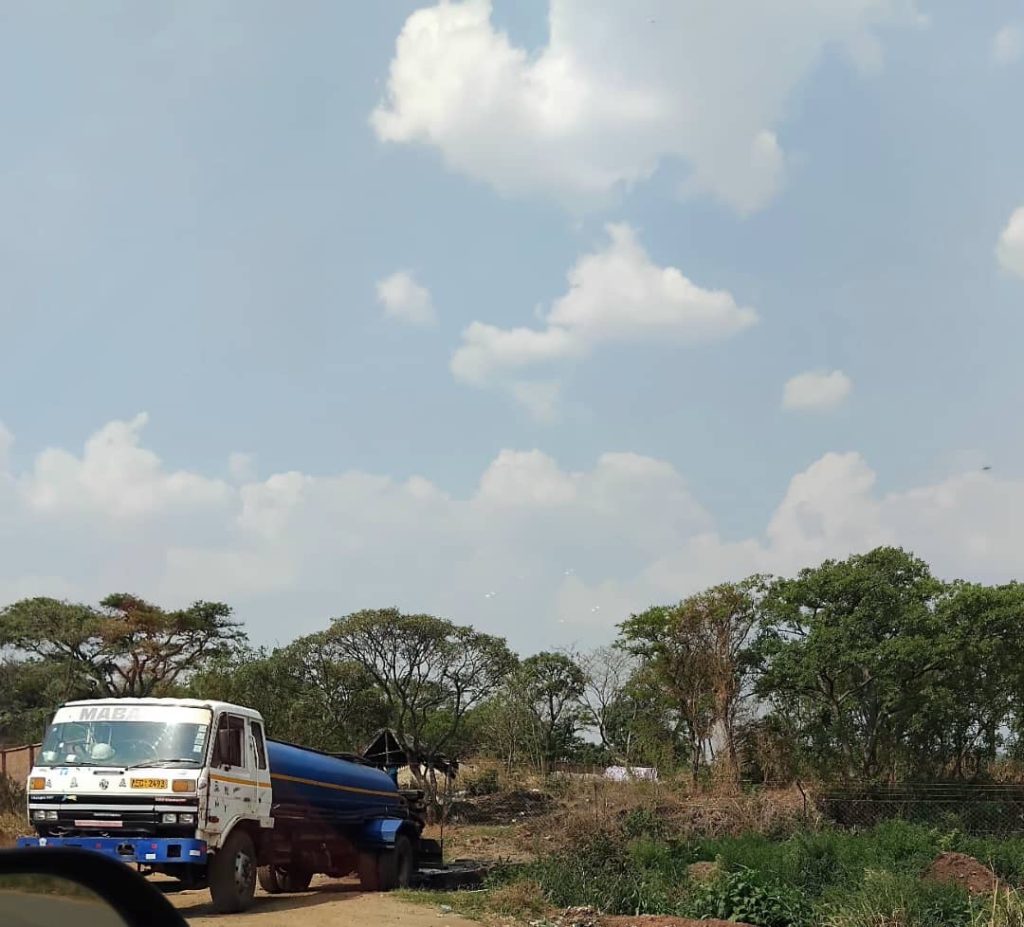
A recent news team visit to the area revealed homes surrounded by pools of sewage, with a strong stench permeating the neighbourhood. Some residents attempted to block the flow using sand, while others abandoned their houses entirely.
“We have a serious problem here. It has been over a week now and no one from the council has come to assist us,” said a resident who identified herself as Mai Tino.
“We are now living in fear of contracting diseases. We have children here and we do not know what to do. We have tried to call the council several times but no one is coming.”
Another resident, John Moyo, added: “We are now prisoners in our own homes because we cannot even get out of the yard. The sewage is everywhere and the stench is too much. We are appealing to the council to come and fix this problem as a matter of urgency before we all get sick.”
The ongoing crisis has prompted residents to petition the Zimbabwe Human Rights Commission (ZHRC), citing violations of Sections 73(1), 51, and 48 of the Constitution, which guarantee the right to an environment not harmful to health, the right to human dignity, and the right to life.
“The failure by the City of Harare to repair sewer bursts in Mufakose has resulted in gross human rights violations.
“Families are living in flooded homes while children and the elderly are being exposed to disease.
“This negligence cannot continue unchecked,” said David Pasipanodya, chairperson of the Combined Harare Residents Association (CHRA).
Pasipanodya called on the ZHRC to exercise its constitutional mandate urgently.
“We are calling on the Commission to investigate and assess the impact of the City of Harare’s conduct. Immediate action must be taken to avert further human rights violations,” he said.
The residents are demanding repairs to restore sanitation, provision of mobile toilets, free medical services for those affected, and compensation for households displaced along Nondo Street.
Responding to the crisis, Harare City Council spokesperson Stanley Gama acknowledged the challenges posed by ageing infrastructure but placed partial responsibility on residents.
“We do attend to sewer bursts as soon as they are reported or as soon as we know about it.
“Yes, we do have aging infrastructure, but as for sewer blockages and pipe bursts, most of the time we have taken out large quantities of sand, solid waste and many other things which are not supposed to be there,” said Gama.
“Most of these are thrown through manholes.
“We urge residents to desist from throwing solid waste in sewer lines and also stop using and to do dishes.
“These block sewer lines and ultimately cause pipe bursts,” added Gama.
Harare has been struggling with recurring waterborne disease outbreaks, including diarrhoea and cholera, exacerbated by collapsing water and sanitation infrastructure.
The ongoing Mufakose crisis highlights the urgent need for coordinated action between residents, Harare City Council, and health authorities to prevent further public health disasters.