By Marshall Bwanya
MHONDORO — Villagers in Mhondoro last Friday boycotted a meeting convened by Chegutu District Development Coordinator Mark Kadaira over the proposed eviction of 15 families from ancestral land earmarked for a dam linked to Chinese-owned GritMine Minerals’ gold mining operations.
The villagers accuse Kadaira of trying to hoodwink them into endorsing the project and legitimising the displacement of families from land they regard as sacred.
They say the proposed dam threatens ancestral sites and traditional practices, while government authorities have failed to adequately protect the area despite concerns raised by the National Museums and Monuments of Zimbabwe (NMMZ).
Kadaira has since been engaging villagers and appealing for another meeting after the boycott, according to community sources.
The dispute comes amid a heritage assessment by NMMZ which found that the wider Chivero-Mashayamombe cultural landscape contains numerous sites of archaeological, historical and spiritual significance.
NMMZ undertook a multidisciplinary field assessment following concerns raised by the Gumboreshumba and Mashayamombe communities.
The assessment involved archaeological and ethnographic fieldwork, GPS recording, photographic documentation, archival research and consultations with traditional leaders, community representatives, spirit-medium families and community elders.
NMMZ clarified that Kaguvi’s Stronghold, Mashayamombe Kraal and Fort Martin — the three proclaimed national monuments — are downstream of the current coffer dam and will not be directly inundated.
But its assessment uncovered a much wider heritage landscape.
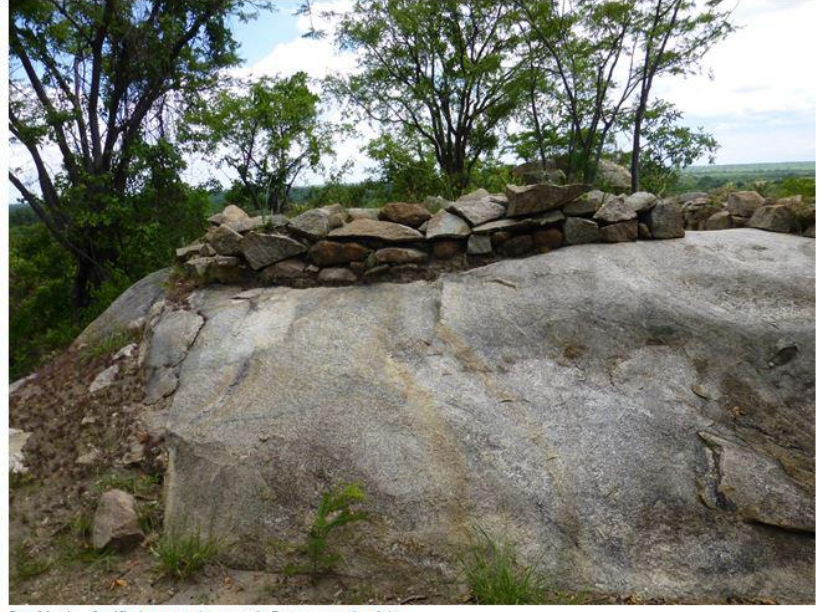
“However, the assessment established that the wider cultural landscape contains a much broader range of significant heritage resources, including sacred pools, caves, shrines, graves, rock art, dry-stone structures, archaeological remains and places associated with continuing traditional practices,” NMMZ said.
Of particular concern is Dziva raPenyere, a sacred pool at the dam-wall site traditionally associated with ceremonies for the installation and cleansing of chiefs.
NMMZ said the site would be directly inundated by the current coffer dam.
The lower Njatara Cave Complex, including Ninga yaChinengundu, a sacred tunnel containing ritual objects and associated with the Chinengundu Mashayamombe heritage, is also expected to be affected.
Muhacha Shrine, where ceremonies and prayers continue to be conducted, is potentially at risk depending on final water levels.
NMMZ also raised indirect concerns over quarrying and road construction around Banya raKaguvi ritual centre, warning that such activities could affect the physical and spiritual integrity of the landscape.
The heritage authority said protection could not be confined to gazetted monuments.
“Our position is therefore that heritage protection cannot be limited to individual gazetted monuments.
“The Chivero–Mashayamombe area constitutes a connected cultural landscape in which tangible heritage and living cultural traditions remain closely intertwined,” NMMZ said.
NMMZ has recommended immediate protection of the Njatara Hill area, including the Ninga tunnel and Muhacha Shrine, through fencing and prevention of earthmoving activities.
It also recommended comprehensive documentation of potentially affected heritage resources, consultations with the Gumboreshumba and Mashayamombe families on possible relocation or transplantation of the Muhacha Shrine where culturally appropriate, continued heritage monitoring and ensuring community access to heritage sites.
Kadaira’s involvement in the process has angered villagers, who question why his office is engaging them over the relocation of families while concerns about the protection of ancestral sites remain unresolved.
One villager said the community deliberately stayed away from last Friday’s meeting because they believed it was designed to manufacture consent for the project.
“We boycotted the meeting because it was meant to hoodwink us and make it appear we have endorsed the construction of the dam on our ancestral land.”
Another villager said the community viewed the proposed development as a threat to its identity and traditions.
“As the authentic descendants of Sekuru Kaguvi and Chinegundu Mashayamombe we reject these machinations by come disguised as development yet they seek to desecrate our ancestral heritage, which will lead to the erosion of our cultural practice.
“The DDC has called us for another meeting but as villagers we are a bit skeptic that our genuine grievances wilk be given priority on the agenda,” said the villager.
The villagers said they remained opposed to the dam, which they believe would result in the desecration of ancestral land and interfere with traditional practices.
They also questioned why affected families were facing eviction while authorities had not taken decisive action to stop the mining company from proceeding with works in an area identified by NMMZ as a living cultural landscape.
NewsHour put detailed questions to Kadaira over his alleged role in facilitating the dam project and proposed displacement.
He was asked whether he had personally intervened to support the dam project or the relocation of the 15 families and, if so, what authority empowered him to do so.
He was also asked whether he was aware of the NMMZ assessment and heritage concerns and why his office continued engaging villagers over the project if heritage protection measures remained outstanding.
When contacted last Friday, Kadaira said he was travelling and would respond once he had settled.
Follow-up attempts on Tuesday and Wednesday were unsuccessful.
He did not respond to WhatsApp messages sent to him and his phone was unreachable.
Chief Chivero was also contacted for comment, but his phone was answered by a man who identified himself as the secretary-general.
The man described the dam and its construction as a welcome development.
When asked about NMMZ’s position that sacred sites could be affected by the project, he declined to comment and proposed meeting NewsHour in person to respond to the questions.
Questions over the company’s position have also been raised by a leaked WhatsApp message from the GritMine Minerals engineering team.
The message, seen by NewsHour, discusses a letter from Chief Chivero calling for operations at the dam to continue.
It reads: “Good day team,
We have received reports of a group of community members who went to Chief Chivero and asked him to sign a letter to stop operations at the dam.”
“The Chief has reached us and asked us to ignore that letter. So if the letter gets to the dam, it has no effect on our operations,” reads the message.
The message appears to indicate that GritMine’s engineering team believed the letter would not affect its operations.
NewsHour has separately reported that GritMine Minerals did not have the authority to construct the dam on the disputed ancestral land, raising questions over how construction proceeded despite objections and heritage concerns.
NMMZ said the current project’s environmental approval requires continuous stakeholder engagement and compliance with the approved environmental management plan, as well as obtaining all other relevant licences and permits.
It also stressed that Zimbabwe has existing legal protections under the National Museums and Monuments Act, Environmental Management Act, Traditional Leaders Act and Water Act.
The heritage authority said the issue was therefore not simply the absence of legislation but whether existing safeguards were effectively implemented.
For the Mhondoro villagers, the issue goes beyond the relocation of 15 families.
They say they are defending a living cultural landscape and fear that construction of the dam will permanently damage sites that remain central to their ancestral and spiritual practices.
NMMZ said it would continue working with communities, traditional leaders, developers, government agencies and other stakeholders to ensure the heritage values of the Chivero-Mashayamombe landscape are identified, respected and protected.