By Court Correspondent
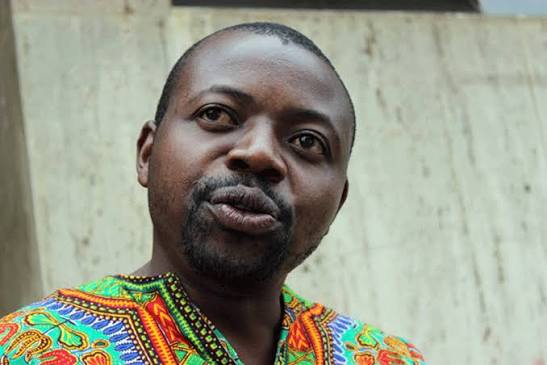
HARARE — Law professor Lovemore Madhuku has dismissed Chief Justice Luke Malaba’s claims that Zimbabwe’s justice system is crippled by staff shortages, arguing instead that slow court procedures and not a lack of judges or magistrate, are the real cause of delays.
Madhuku acknowledged that the judiciary has made progress in delivering judgments, particularly through electronic platforms, but said the narrative of an acute shortage of judicial officers is misplaced.
“For a population of about 16 million, the number of judges is actually quite significant.
“The problem lies in court procedures, which remain inherently slow,” Madhuku said.
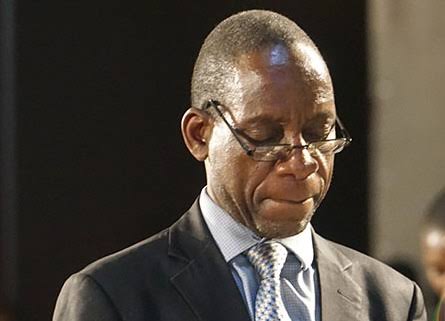
Malaba, in contrast, warned that an “untenable situation” had emerged due to shortages of judges, magistrates, and support staff, saying Zimbabwe’s constitutional mandate was under threat unless staffing levels were “dramatically increased.”
Speaking after the official opening of the 2026 legal year, Madhuku highlighted improvements in judgment timeliness.
“In the past, you could wait a year or even two for a judgment.
“While delays still occur, there is now a greater understanding that judgments must be delivered on time,” he said.
However, Madhuku cautioned that technology or additional staff alone cannot resolve systemic delays, pointing to persistent issues with the Integrated Electronic Case Management System (IECMS).
“The IECMS still faces network challenges. During virtual hearings, two or three disconnections per session are common,” he said, noting that many litigants still prefer physical hearings.
“Everyone gets frustrated. You end up asking parties where they are and how far they are from court.
“Digital systems are useful, but they require serious improvement,” Madhuku said.
He also stressed the importance of physical court hearings in maintaining public confidence.
“There is something significant about the public seeing justice done in a courtroom. That element still matters,” he said.
Madhuku’s sharpest criticism was reserved for inefficient court procedures that waste judicial time regardless of staffing levels.
“In the High Court, lawyers may speak for an hour when their points could be made in 15 minutes, and then the opposing side takes another hour,” he said.
By contrast, Supreme Court time limits enforce efficiency.
“Supreme Court hearings give you 15 minutes, and maybe five extra if needed.
“That discipline forces efficiency,” Madhuku explained.
He warned that without procedural reform, adding more judges or rolling out technology will have limited impact.
“That is where the real problem lies.
“Delays are about procedures, not staffing or technology,” he said.
Malaba, addressing the same legal year opening, argued that Zimbabwe’s justice system relies on just 80 judges and 250 magistrates, a figure he deemed inadequate.
“The number of judges and magistrates must be dramatically increased for the judiciary to meet its constitutional mandate,” Malaba said.
Deputy Chief Justice Elizabeth Gwaunza echoed concerns, warning that judges are under “unbearable pressure,” which could affect both the quality of justice and their health.
But Madhuku maintained that without fixing court procedures, simply increasing staff will not solve the problem.
“If we do not fix how cases are handled, we will continue to move slowly, no matter how many judges we appoint,” he said.