By Staff Reporter
HARARE — Zimbabwe’s Catholic bishops have issued a strongly worded pastoral message warning that the proposed Constitution of Zimbabwe Amendment (No. 3) Bill, 2026 could weaken democratic safeguards, concentrate power in the Executive, and undermine the will of citizens.
Debate is intensifying over the reforms, which, if passed, will extend the current administration’s time in office.
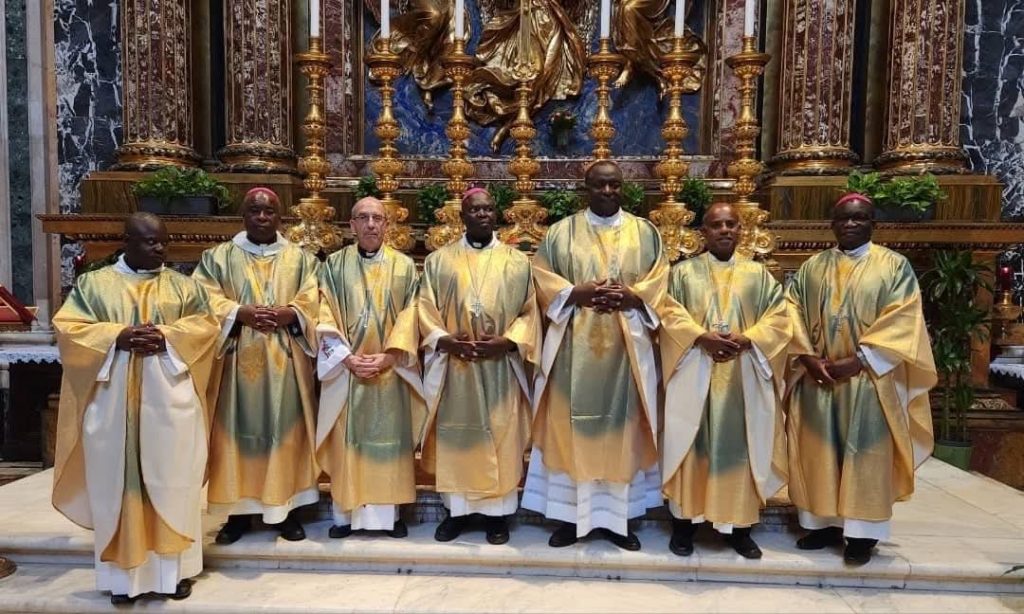
In a pastoral letter issued on Thursday, the Zimbabwe Catholic Bishops Conference (ZCBC) said the proposed changes raise “profound questions about governance, trust, and the common good.”
ZCBC stressed that the Constitution adopted in 2013 represents the collective will of Zimbabweans and should not be altered without broad public consent.
“Our Constitution is more than law; it is a solemn covenant, born from the overwhelming will of Zimbabweans in 2013, embodying our collective hopes for justice, unity, peace, and prosperity,” the bishops said.
The bishops expressed concern that the amendment could shift power away from voters by changing how leaders are elected and by extending terms of office without fresh elections.
“Proposals that shift power from the electorate to a few, such as weakening direct presidential elections, extending terms without fresh consent, or bypassing safeguards like referendums, diminish this sacred trust,” the statement said.
The proposed amendment has drawn national debate after the government gazetted a bill that would extend the electoral cycle from five to seven years, potentially delaying the next general elections beyond 2028, when President Emmerson Mnangagwa is currently due to leave office after serving two terms.
Justice Minister Ziyambi Ziyambi has said the bill does not change presidential term limits but only seeks to harmonise election cycles for all offices, arguing that a referendum is not required because the amendment does not directly alter the two-term cap.
In their message, the bishops also warned that the proposed changes could affect the independence of key state institutions.
“Increasing presidential control over the appointment of judges and the Prosecutor-General risks political influence and undermines public trust in justice,” the pastoral letter states, adding that altering the role of the Zimbabwe Electoral Commission could weaken confidence in elections.
They further cautioned that allowing traditional leaders to take partisan positions would erode their role as neutral community figures.
“Institutions aligned with the common good unite us; those captured by narrow interests divide,” the bishops said.
The Catholic bishops’ message comes amid broader concern from church bodies and civil society groups, some of whom argue that the amendment could fundamentally alter the people-driven 2013 Constitution if adopted without a referendum.
Legal experts have also pointed to Section 328 of the Constitution, which limits the ability of incumbents to benefit from term extensions, raising questions about the legality of the proposed changes.
Human rights organisations have also warned of rising tensions around the debate, saying the issue has become increasingly sensitive as Parliament prepares to consider the bill.
In their pastoral message, the bishops made a direct appeal to lawmakers to act in the national interest rather than political expediency.
“You bear a sacred duty before God and the nation: to govern for the common good, not personal or partisan gain… Let conscience guide you: reject any change that silences the people,” the statement said.
They also urged citizens to remain peaceful but engaged, saying decisions of such magnitude should be taken transparently and, where necessary, confirmed through a referendum.
“Matters of such gravity demand transparency, wide consultation, and, where required, a referendum — honouring the Constitution’s own protections,” the bishops said.
The amendment bill is expected to be debated in Parliament in the coming months, with the outcome likely to shape Zimbabwe’s political landscape ahead of the next scheduled elections.