By Staff Reporter
Harare — Zimbabwe’s public education system is facing an existential crisis, the Amalgamated Rural Teachers’ Union of Zimbabwe (ARTUZ) has warned, as it launched a nationwide advocacy drive aimed at forcing the government to urgently fund and restore public schools.
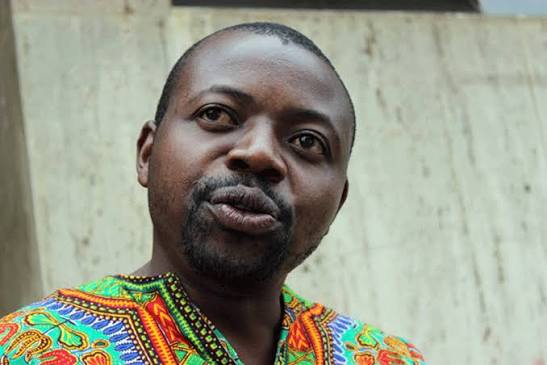
In a strongly worded memorandum dated January 14, 2026, ARTUZ president Obert Masaraure called on teachers across the country to mobilise under the banner of the #SaveOurPublicSchools Campaign, describing the current state of education as a “systemic collapse” brought about by sustained neglect.
“As we traversed the country during this opening week, the reality on the ground is heart-wrenching.
“We have witnessed firsthand the systemic collapse of our public education system: crumbling infrastructure, plummeting enrollments, and teachers living in a state of constant distress,” Masaraure said.
ARTUZ accused the government of presiding over the decline of public education while politically connected elites profit from the growth of private schools.
Masaraure alleged that “a predatory class of Zvigananda, many of whom sit in the very government responsible for this decay, are cashing in,” arguing that public institutions are being deliberately starved of resources to the benefit of private interests.
The union warned that the erosion of public schooling is disproportionately harming the poor, particularly in high-density and peri-urban settlements.
In communities such as Hopley, Masaraure said, the absence of government schools has forced parents to enrol children in unregistered “makeshift” private institutions.
“Because these schools are not state-registered, the most desperate learners are denied the BEAM facility and ZIMSEC fee subsidies,” he said.
ARTUZ said the consequences are devastating, with thousands of learners from marginalised families at risk of being permanently excluded from education.
“We are watching a generation of children from marginalized families being priced out of a future, unable to even sit for their Ordinary Level exams.
“This is not just a policy failure; it is a moral crisis,” Masaraure said.
To address the crisis, the union outlined a set of non-negotiable demands, beginning with a living wage for teachers of at least US$1,260 per month, which it says reflects the true value of educators’ labour.
ARTUZ also demanded full compliance with Section 75 of the Constitution, which guarantees state-funded basic education, and the creation of an Education Equalisation Fund to urgently rehabilitate decaying school infrastructure.
The union further called on the government to formally integrate informal schools operating in under-served areas into the public system, providing them with technical support and extending BEAM and examination fee subsidies to their learners.
Beyond policy demands, ARTUZ has escalated its campaign by urging teachers to document conditions in their schools. “
“A revolution is not televised, it is documented by those who live it,” Masaraure said.
He called on educators to take photographs and videos of “crumbling classrooms, empty desks, and the visible toll on teacher morale,” and submit the material to the union to expose what it described as deliberate government neglect.
The mobilisation comes amid long-standing concerns over declining teacher morale, low pay, and worsening working conditions, which have contributed to resignations and migration from the profession.
Public schools across the country have reported declining enrolments as parents increasingly lose confidence in the system.
Government officials had not responded to the memorandum at the time of publication. However, ARTUZ signalled it would intensify pressure until concrete action is taken, vowing not to retreat from its campaign.
“We have been fighting, and we will not stop until victory is won.
“We have a nation to defend and a generation to save,” Masaraure said.