By Staff Reporter
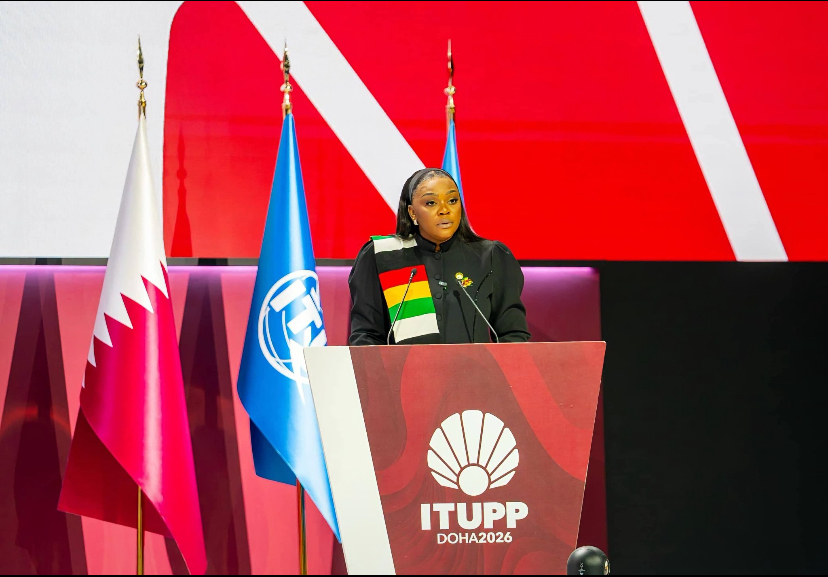
HARARE — ICT Minister Tatenda Mavetera’s latest award has put her leadership under the spotlight as Zimbabwe steps up efforts to expand digital access, develop artificial intelligence and strengthen its position in Africa’s technology sector.
Mavetera received the Outstanding Woman in Political Leadership of the Year award at the 2026 Megafest Women’s Awards, adding to a growing list of responsibilities that now extend beyond Zimbabwe’s borders.
The recognition comes as she oversees a ministry tasked with driving the country’s digital transformation, a policy agenda increasingly shaped by artificial intelligence, cybersecurity, digital skills and access to affordable connectivity.
Appointed Minister of Information Communication Technology, Postal and Courier Services in 2023, Mavetera has also secured a prominent continental position.
In March 2026, she was elected president of the Smart Africa Council of Ministers in Charge of ICT at its eighth meeting, giving Zimbabwe a leadership role in discussions on Africa’s digital development.
The appointment is for a two-year term.
Her continental responsibilities have since expanded through her appointment to the inaugural Smart Africa Artificial Intelligence Council, where she is among seven African ministers tasked with helping shape discussions on AI governance, ethics and innovation.
These positions place Zimbabwe within important regional conversations about how African countries can develop their digital economies while addressing the risks associated with emerging technologies.
At home, one of the most significant developments under Mavetera’s portfolio has been the launch of the Zimbabwe National Artificial Intelligence Strategy 2026–2030 in March this year.
The strategy, developed with support from the United Nations Educational, Scientific and Cultural Organisation (UNESCO), identifies opportunities to apply AI in agriculture, mining, healthcare, education and governance.
Speaking at its launch, Mavetera said: “History shows that each generation adapts uniquely to technological changes.”
She described the strategy as part of Zimbabwe’s commitment to engaging with the global digital economy and building a unified national approach to emerging technologies.
UNESCO has highlighted the strategy’s emphasis on strengthening digital infrastructure, developing AI skills, promoting research and establishing safeguards to ensure responsible and ethical use of the technology.
The ministry’s wider agenda also includes cybersecurity reforms and child online safety, areas that will become increasingly important as more citizens, businesses and public institutions rely on digital platforms.
Digital skills development has also featured prominently in her ministry’s work.
Programmes such as the 1.5 Million Coders initiative and the Digital Skills Ambassadors Programme are intended to equip citizens, particularly young people, with skills needed in an increasingly technology-driven economy.
Her leadership has also been associated with efforts to promote women’s participation in technology and encourage young people to pursue careers in the digital sector.
However, the scale of the ambition presents significant implementation challenges.
Internet affordability, uneven connectivity, infrastructure gaps and limited access to digital devices continue to affect the ability of many Zimbabweans to benefit from technological advances.
Cybersecurity and the protection of children online will also require effective regulation, public awareness and enforcement rather than policy commitments alone.
Mavetera has previously acknowledged the importance of developing the country’s digital capabilities, arguing that AI must be supported by investment in infrastructure, talent and innovation.
The United Nations has similarly stressed that Zimbabwe’s AI ambitions will depend on sustained investment, strong institutions and cooperation between government, the private sector, academia and civil society.
Her own assessment of public leadership has been equally direct.
Following news of her Megafest recognition, she said: “Public leadership comes with scrutiny, much of it fair, some of it not. My approach has been consistent – stay focused, remain accountable, and let the work speak for itself.”
She also dedicated the recognition to young women, describing it as a reminder of the responsibility that comes with public office.
The award provides an opportunity to recognise Mavetera’s growing influence in Zimbabwe’s technology policy and continental digital diplomacy.
However, the lasting measure of her leadership will be whether the initiatives under her watch deliver affordable connectivity, stronger digital protections, meaningful skills development and opportunities for ordinary citizens.