By Marshall Bwanya
HARARE — City of Harare is facing mounting criticism over its decision to allocate a meagre 0.23% of its proposed US$818.3 million 2027 budget to natural resources conservation.
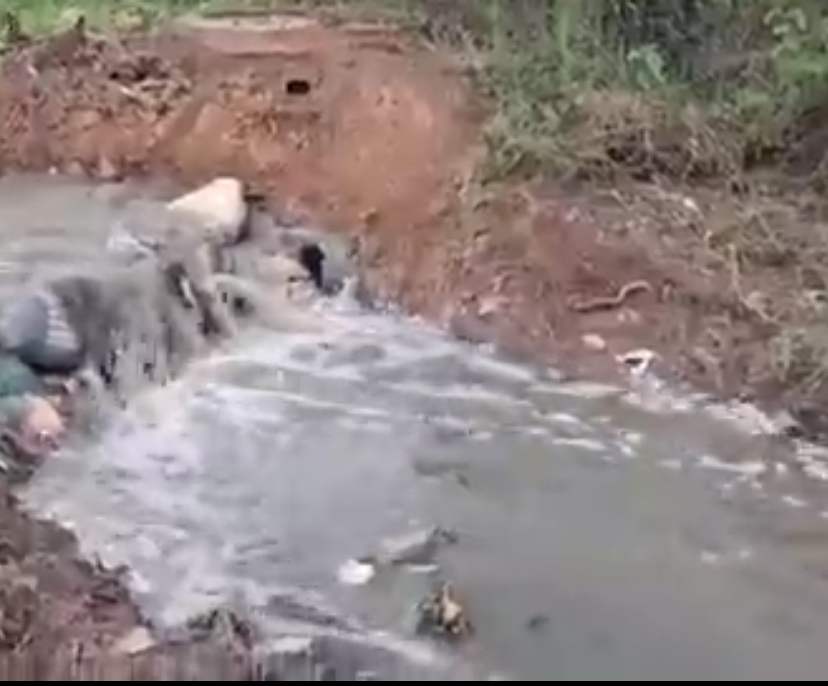
The allocation comes as wetlands across the capital continue to face destruction from urban development, pollution and environmental degradation.
City of Harare’s proposed US$1.89 million allocation has drawn criticism from environmentalists and residents’ representatives, who say the meagre funding will do little to address wetland degradation, industrial pollution and the city’s worsening water challenges.
Harare Wetlands Trust (HWT) programmes manager Celistino Chari said the allocation was particularly disappointing given the relationship between environmental degradation, water shortages and public health.
“Yeah, it is very unfortunate that environmental issues are not being given priority.
“The first thing they need to consider is that we are currently facing serious water challenges, largely due to poor environmental management, including the degradation of wetlands and pollution,” he said.
Chari urged City of Harare to review the proposed allocation, stressing that environmental protection should not be treated as a secondary municipal responsibility.
“You cannot live without water. Beyond industrial use, water is essential for human consumption. Where does our water come from? It does not simply come from the city council.
“Proper management of our ecosystems helps protect our water sources, wetlands and, ultimately, our health.
“Environmental management is a serious issue,” Chari said.
Of the six programmes outlined by the City of Harare, environmental conservation is the least funded in the budget presented to council on Thursday by Finance and Development Committee chairperson Councillor Jubilation C. Shoko.
By comparison, water, sanitation and hygiene receives US$369.5 million, representing 45.16% of the budget, while roads get US$110.34 million, or 13.48%.
Ironically, the disparity between the allocations for water, sanitation and hygiene, which is projected to receive US$369.5 million, and the environmental programme, allocated just US$1.89 million, exposes a contradiction in council’s spending priorities.
Environmental conservation is a vital cog in protecting the ecosystems that sustain water sources.
Wetlands act as natural water reservoirs, filtering pollutants, replenishing groundwater and helping regulate water flows, making their protection integral to the success of the city’s wider water and sanitation interventions.
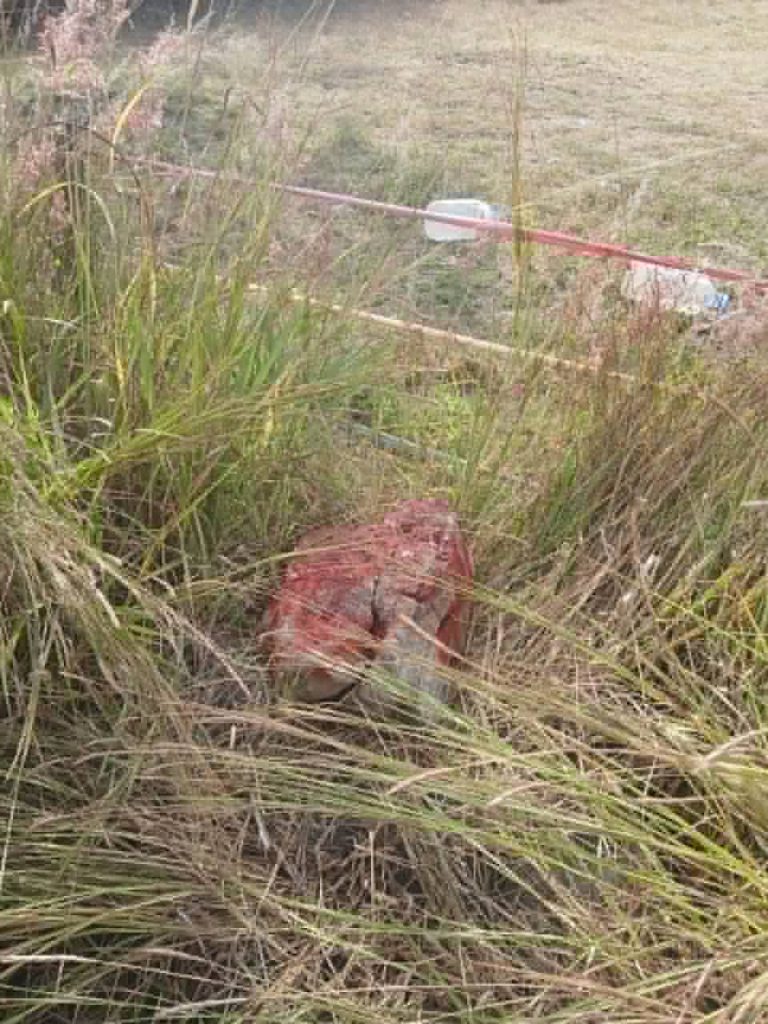
Although the city has pledged to protect wetlands, promote urban greening, expand climate-awareness programmes and support community recycling, critics argue the funds availed are insufficient to translate those commitments into meaningful action
Combined Harare Residents Association (CHRA) chairperson Rueben Akili also criticised the allocation, saying the city’s environmental department had been neglected for years.
He argued that increasing the allocation to 2% would provide a more meaningful starting point for addressing the capital’s environmental challenges.
“One thing we want to applaud the local authority for is recognising that there is a problem that needs to be addressed.
“However, 0.23% is very little, and you realise that there isn’t much that can be done to address some of the critical issues,” Akili said.
He said Harare needed a fully functional environmental department supported by a properly equipped laboratory capable of monitoring pollution and holding offenders accountable.
Akili also pointed to the scale of industrial pollution, saying council had previously identified more than 350 industries operating within its jurisdiction without functional waste-treatment facilities.
He argued that fines collected from companies responsible for environmental degradation should be ring-fenced and channelled back into environmental protection and restoration.
“We have also always said that fines collected from environmental degradation should be ring-fenced.
“These industries are fined, and the money collected should then be ring-fenced so that it can also be used to address environmental challenges,” he said.
In February 2020, Parliament’s Portfolio Committee on Environment and Tourism presented a wetlands management report following submissions from environmental organisations and field visits to affected sites.
Zimbabwe Lawyers for Human Rights and HWT subsequently warned that developments on wetlands, including internationally protected Monavale Vlei, were depriving Harare of essential ecosystem services.
Both organisations highlighted wetlands’ role in absorbing and purifying water, recharging underground sources and sustaining streams that feed into major supplies such as Lake Chivero and Manyame Dam.