By Marshall Bwanya
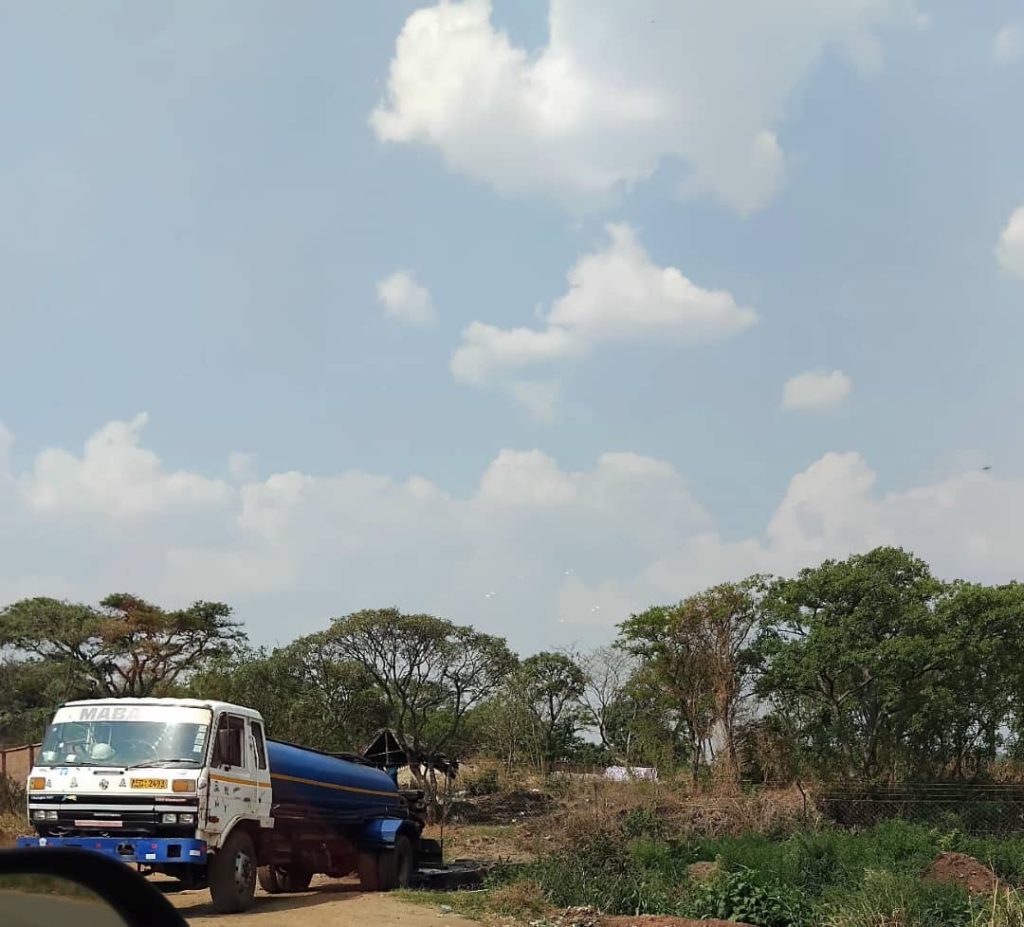
HARARE — City of Harare is under scrutiny over a sewage-disposal point along Sherwood Drive where liquid waste from honey sucker trucks is spilling into a nearby stream and wetland.
Various stakeholders have warned that poor municipal oversight, questionable environmental compliance and inadequate public health safeguards are fuelling an environmental time bomb that threatens residents and surrounding ecosystems.
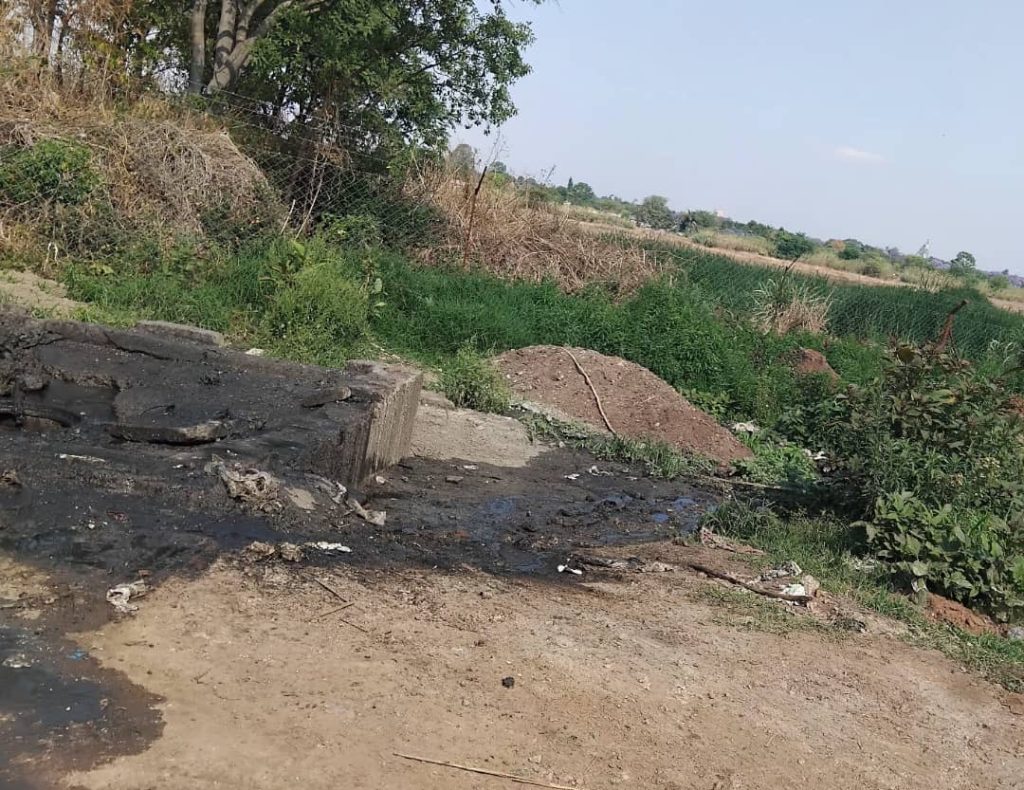
Investigations by NewsHour have established that raw sewage is being discharged into an open trench, with spillage flowing towards a waterway and the adjacent wetland.
The discharge threatens to contaminate the surrounding environment, potentially exposing residents, workers and children to sewage-polluted water.
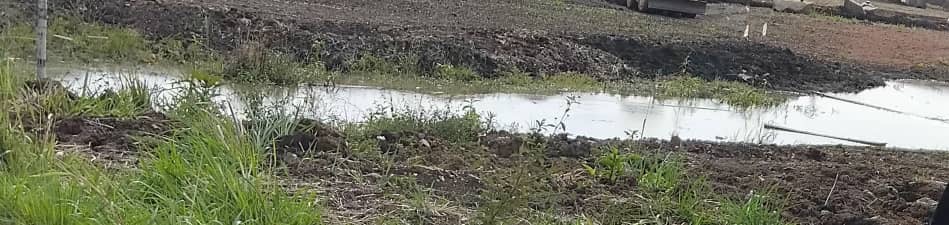
Revelations from this investigation expose a gap between the City of Harare’s position that the disposal site is legal and concerns raised by Harare Wetlands Trust (HWT) and residents’ groups over sewage spilling into the surrounding environment.
Private operators reportedly pay between US$50 and US$80 per discharge, but poor oversight from Harare City Council (HCC) has led to the spillage.
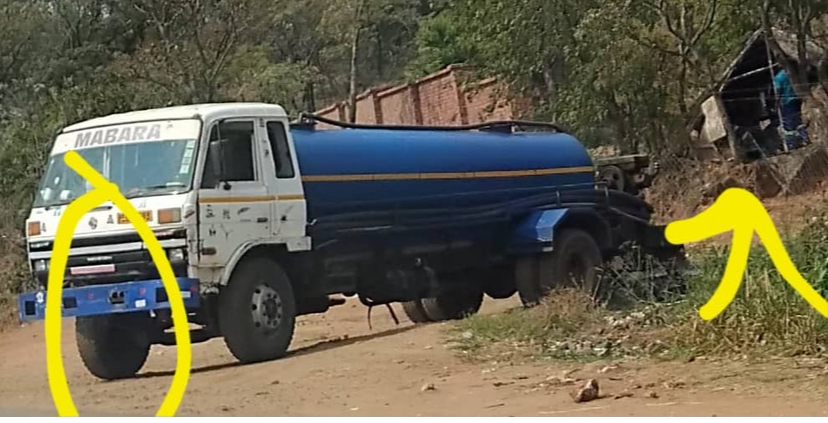
Harare Residents Trust (HRT) director Precious Shumba said the practice had been going on for a long time, adding that the council had indicated that the site was authorised.
“This has been going on for a long time. The City of Harare has indicated that it is legal.
“According to Councillor Ward 16, Denford Ngadziore, ‘That’s a properly planned honey sucker for the main sewer line. All companies that dump waste should do that after paying the required fee. We have a council worker stationed there,’” said Shumba.
However, Shumba said residents had observed leakage into the adjacent wetland and liquid waste spilling into the nearby stream.
“The Harare Residents Trust is concerned about the open sewer hole.
“There is a risk of illegal dumping at night.
“In the public interest and to safeguard the environment, the City of Harare should place a lid on the sewer hole to ensure that only liquid waste goes in there,” Shumba said.
Shumba warned that an uncovered disposal point could allow operators to dump sewage without paying the required municipal fees or obtaining the necessary permits.
He called on the council to strengthen monitoring to ensure that only authorised operators discharge waste at the site.
“Our major worry is the spillage onto the adjacent vlei, which helps purify our water.
“There is a potential danger to our environment; it is our collective duty to demand more transparency and accountability on sewage dumping at that sewer hole,” he said.
Combined Harare Residents Association (CHRA) chairperson Rueben Akili said the organisation had repeatedly raised concerns about the conduct of private honey sucker companies.
“We have always raised issues around the mischief of these honey sucker companies,” Akili said.
Akili lamented the discharge of effluent into what he described as a non-functional sewer reticulation system, calling on the local authority to repair the infrastructure and enforce municipal by-laws governing private operators.
“We call on the local authority to repair this non-functional sewer line/manhole and increase enforcement of municipal by-laws in relation to the private companies running honey suckers,” he said.
The dispute places the spotlight on whether the disposal point is connected to a functioning sewer system and whether the infrastructure can safely accommodate the waste being discharged.
If the system is defective, continued use without effective safeguards could allow sewage to escape into nearby waterways.
HWT programmes manager Selestino Chari warned that sewage entering the stream and wetland could introduce harmful pathogens, excess nutrients and organic pollutants.
“The decomposition of sewage can deplete dissolved oxygen, potentially killing fish and other aquatic organisms.
“Excess nutrients may also trigger algal growth and disrupt the ecological balance.
“Prolonged pollution could overwhelm the wetland’s natural filtration capacity, undermining its ability to regulate water flows and maintain healthy water systems,” he said.
Chari also warned that pollutants could seep through the soil and contaminate nearby boreholes and wells, depending on soil conditions and groundwater depth.
“Prolonged sewage contamination could allow harmful microorganisms and nitrates to infiltrate the soil and reach nearby boreholes and wells, depending on soil conditions and groundwater depth.
“This could expose communities relying on these sources to waterborne diseases and other health risks,” he said.
Chari added: “Authorities should urgently test nearby water sources for E. coli, nitrates and other relevant contaminants.”
“Although groundwater pollution has not been confirmed, the possibility warrants immediate investigation,” he said.
The potential consequences of the wetland contamination extend beyond the immediate dumping point.
Wetlands help filter water, regulate flows and support biodiversity.
Sewage pollution can compromise these functions while exposing people who come into contact with contaminated water to disease-causing organisms.
Prolonged contamination could turn the site into an environmental and public-health time bomb if the reported leakage continues unchecked.
The Environmental Management Agency (EMA) on Wednesday said it had scheduled a follow-up inspection on Thursday to investigate the disposal point and assess its management.
EMA education and publicity manager Amkela Sidange, in an interview on Wednesday, confirmed that a registered City of Harare manhole exists along Sherwood Drive, where honey suckers discharge effluent into the council’s sewer line after paying a fee.
Sidange also said the agency, through the inspection, would seek to “ascertain” whether the point in question was the same as the registered manhole, as well as monitor its current management status.
“EMA remains committed to ensuring that effluent is managed in a manner that safeguards public health and protects ecosystems as prescribed in the environmental laws of the country.
“The Agency will not hesitate to prosecute anyone or authority found violating statutory requirements,” said Sidange said on Wednesday.
In a Thursday interview following EMA’s inspection of the sewage-disposal point along Sherwood Drive, where liquid waste from honey sucker trucks is spilling into a nearby stream and wetland, Sidange said the agency had recommended that the City of Harare increase the bunding wall around the manhole to prevent spillages and keep the area clean.
“After the inspection, the Agency recommended that the City should increase the bunding wall around the opening to the manhole to guard against any likely spillages during the emptying by the honey suckers and also keep the manhole area clean at all times.
“Adopting sound practices in the management of effluent is key in the prevention of pollution and safeguarding the health of the public,” said Sidange.
Harare City Council spokesperson Stanley Gama initially questioned the allegation and said he would investigate.
“Let me find out and come back to you,” Gama said.
He had not provided further clarification by the time of publication.
City of Harare is yet to explain the safeguards in place to prevent sewage from escaping into the adjacent stream and wetland, clarify the condition of the sewer infrastructure or account for concerns about monitoring and possible unauthorised dumping.
Although the manhole is registered, its legal status does not, in itself, establish that any spillage into the surrounding environment is lawful.
Determining the source of the leakage, the condition of the sewer line and compliance with applicable environmental requirements remains a matter for investigation.
Section 57 of the Environmental Management Act, Chapter 20:27, addresses pollution of the aquatic environment, while section 70 deals with waste management.
The applicability of specific offences and penalties depends on the circumstances and the relevant statutory provisions.