By Victor Fanuel
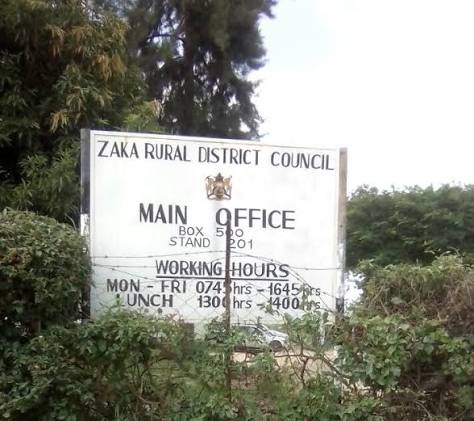
HARARE — Zaka Rural District Council failed to record 219 residential stands in its financial statements, one of several irregularities uncovered by the Auditor-General during audits of its 2023 and 2024 accounts.
Both audits also exposed accounting breaches, unrecorded public assets, questionable asset recognition, weak debt management and environmental violations, resulting in qualified audit opinions for both financial years.
The Auditor-General said the rural council did not recognise the 219 stands and consumables as inventory, despite International Public Sector Accounting Standards (IPSAS) requiring assets held for sale or distribution in the ordinary course of business to be reflected in the financial statements.
In her report, Auditor-General Vimbai Chikwenhere said: “The Council did not recognise two hundred and nineteen (219) stands and consumables as inventory in the financial statements.
“This was contrary to IPSAS 12 – ‘Inventories’ paragraph 11 which requires items held for sale or distribution in the ordinary course of business to be recognised as inventory,” said Chikwenhere.
Chikwenhere warned that the omission materially misstated the council’s accounts, leaving its financial statements incomplete and masking the true value of public assets under its control.
The report identified “misstatement of financial statements” as the risk arising from the council’s failure to recognise the inventory.
Council management acknowledged the finding, saying the inventory would be valued and the pegged stands recognised in future financial statements.
The missing stands were only one part of a broader pattern of financial management failures identified during the audit.
For a second consecutive year, the Auditor-General found that Zaka RDC failed to recognise land and critical infrastructure, including road networks and water reticulation systems, in its financial statements, despite accounting standards requiring such assets to be recorded.
“The Council did not recognise land and infrastructure assets such as road networks and water reticulation systems in the financial statements.
“This was contrary to IPSAS 45 – ‘Property, Plant and Equipment’ paragraph 6 which requires items that meet the definition criteria of property, plant and equipment to be recognise,” Chikwenhere said.
Auditors said the omission materially distorted the council’s financial position.
The 2024 audit also found that the council improperly recognised three software programmes worth ZWG0.32 million as intangible assets even though it did not have the level of control required under IPSAS for the software to qualify as council-owned assets.
“These software programs did not meet the recognition criteria of IPSAS 31 – ‘Intangible Assets’ paragraph 21 which requires intangible assets to be recognised only when the Council had control over the software programs,” Chikwenhere said.
Management said the software would be removed from the financial statements in 2025.
The audit further exposed weaknesses in revenue management after finding the council failed to recognise expected credit losses on receivables amounting to ZWL8.6 billion.
According to the Auditor-General, the omission overstated the value of debtors and presented a misleading picture of the council’s financial health and its prospects of recovering outstanding debts.
“The Council did not recognise an allowance for credit losses on its receivables with a carrying amount of ZWL8.6 billion disclosed in the financial statements,” read the report.
Management said it was finalising a debt management policy to guide future assessments and provisioning for doubtful debts.
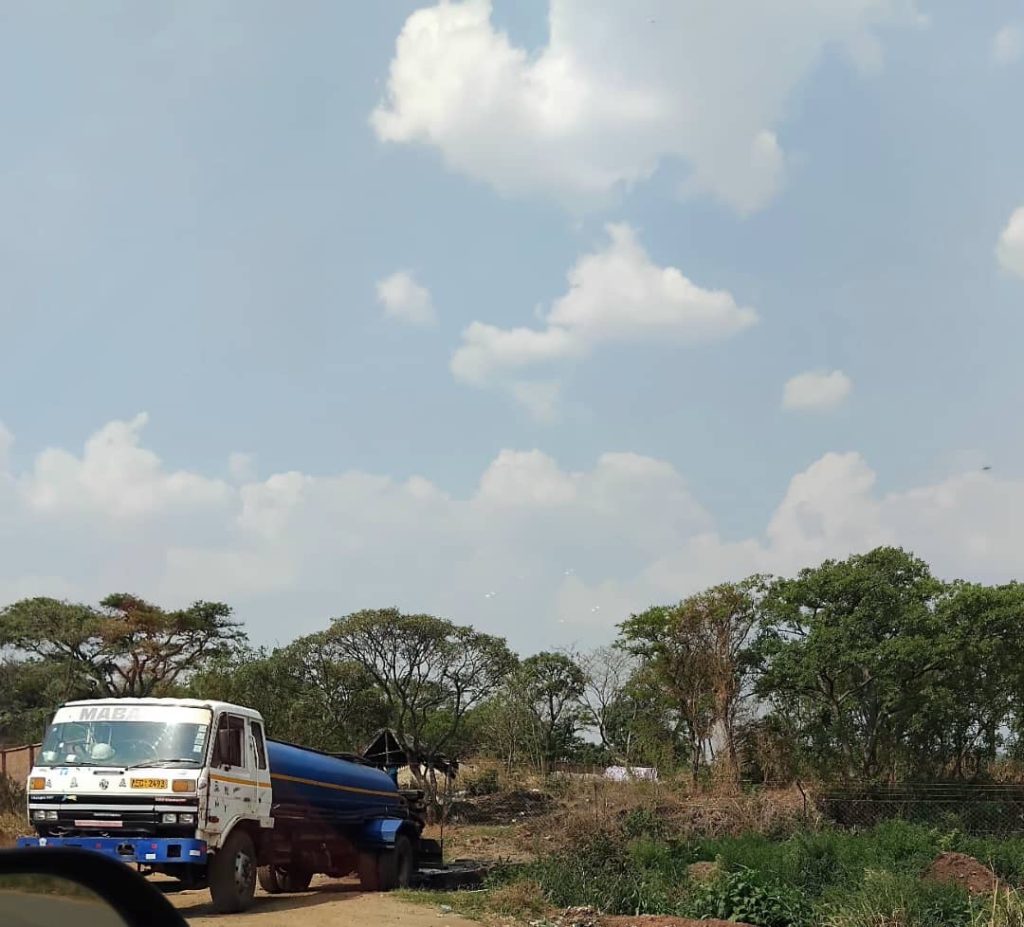
Service delivery failures also came under scrutiny after auditors established that Zaka RDC had no landfill for waste disposal and was instead operating an ordinary dumpsite in breach of the Environmental Management Act.
“The Council did not have a land for disposal of waste.
“As a result, the Council was using a dumpsite,” said Chikwenhere in her report.
Chikwenhere warned that the council risked regulatory penalties while exposing surrounding communities to environmental pollution and potential health hazards.
The report stated that the council’s waste disposal practices were “contrary to the Environmental Management Act [Chapter 20:27] item 11(a) and section 71 which prohibits disposal of waste in a manner that causes pollution to the environment, and which requires Council to have a landfill facility.”
Council management said the existing dumpsite would be decommissioned and an Environmental Impact Assessment conducted before a new waste disposal site is established.
Despite implementing one previous audit recommendation by depreciating property, plant and equipment, the council failed to resolve the longstanding issue of inventory valuation, with stores inventory still neither valued nor recognised.
Contacted for comment on Tuesday, Zaka Rural District Council chief executive officer David Majaura initially responded: “I will revert to you…after I gather the facts. Now busy doing something…”
Efforts to reach Majaura on Wednesday were unsuccessful, as repeated calls to his mobile phone went unanswered by the time of publication.