By Staff Reporter
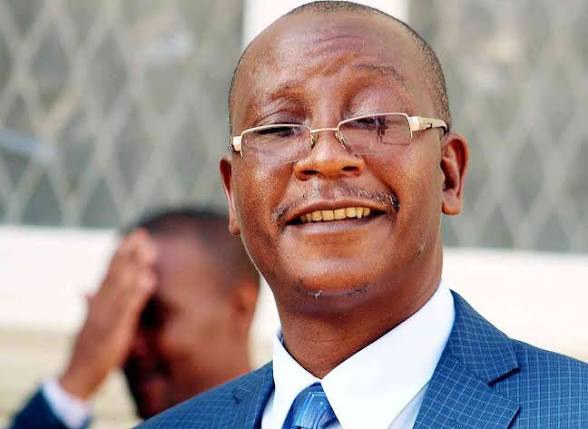
HARARE — Justice, Legal and Parliamentary Affairs Minister Ziyambi Ziyambi on Tuesday formally tabled the Constitution of Zimbabwe Amendment (No. 3) Bill in the National Assembly, setting in motion a legislative process that could usher in some of the most far-reaching constitutional changes since the adoption of the 2013 Constitution.
The bill received its First Reading in the National Assembly on Tuesday afternoon and is expected to proceed to its Second Reading on Wednesday, when lawmakers are anticipated to begin debating its provisions.
Ziyambi’s presentation marks the official commencement of parliamentary consideration of the highly contentious legislation, which has generated intense political and public debate in recent months.
Following the First Reading, the bill will be referred to Parliament’s Legal Committee to determine whether any of its provisions conflict with existing constitutional clauses.
The committee’s report will guide the next stages of the legislative process before the bill proceeds through debate and voting in both the National Assembly and Senate.
The proposed amendments require the support of at least two-thirds of members in both Houses of Parliament before being transmitted to President Emmerson Mnangagwa for assent.
Speaking previously on the legislative process, Ziyambi said Members of Parliament would vote by a show of hands rather than through a secret ballot.
Beyond proposals relating to the synchronisation of elections and the extension of the terms of elected officials from 2028 to 2030, the bill contains several significant constitutional changes.
Among its most consequential provisions is the proposed repeal of Section 92 of the Constitution, which currently provides for the direct election of the President by voters.
The amendment seeks to introduce a system whereby the President would be elected by Members of Parliament sitting jointly as the National Assembly and Senate.
The bill also proposes transferring voter registration functions from the Zimbabwe Electoral Commission (ZEC) to the Registrar-General’s Office, while establishing a new Zimbabwe Electoral Delimitation Commission responsible for drawing electoral boundaries.
Other proposed amendments include increasing the size of the Senate from 80 to 90 members, revising qualifications for appointment as Attorney-General, and abolishing the Zimbabwe Gender Commission and the National Peace and Reconciliation Commission.
The legislation follows a nationwide public consultation process that was marred by controversy and allegations of intimidation, violence and the suppression of dissenting views.
Human rights organisations, opposition parties, constitutional experts and church groups have raised concerns over several provisions of the bill, particularly proposals that could effectively extend the terms of incumbent office holders beyond the mandate granted by voters in the 2023 elections.
Critics argue that any extension of elected officials’ terms should be subjected to a national referendum, while government maintains that the proposed changes do not trigger constitutional provisions requiring a referendum.
With debate expected to begin on Wednesday, attention is now shifting to Parliament, where lawmakers will scrutinise a bill that supporters say will strengthen governance structures, but which opponents argue could fundamentally alter Zimbabwe’s constitutional architecture.
If approved by Parliament, Ziyambi has indicated that the legislation could reach President Mnangagwa’s desk before the end of June, despite ongoing court challenges seeking to halt or amend the process.