By Victor Fanuel
HARARE — Public outrage has erupted after the Zimbabwe Energy Regulatory Authority (ZERA) announced another fuel price increase, the second this month, amid growing concern over the rising cost of living.
This latest adjustment has pushed fuel prices in Zimbabwe above those in neighbouring Southern African Development Community (SADC) countries, making them the highest in the region.
ZERA’s fuel hike, the second in March, has raised fresh concern about the rising cost of living and the likely knock-on effect on basic commodities and essential services.
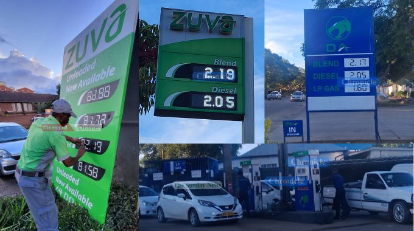
On Wednesday, ZERA confirmed that petrol has risen to US$2.17 per litre, up from US$1.56 in February, while diesel is now selling at US$2.05, compared to US$1.77 on March 4 and US$1.52 earlier this year.
Authorities attributed the increase to global cost pressures linked to escalating conflict in the Middle East, saying supply disruptions and rising international oil prices had forced a review to avoid shortages.
The latest adjustment places Zimbabwe well above other SADC countries in fuel costs.
Recent regional comparisons show petrol prices averaging about US$1.60 in Zambia, around US$1.35 in Tanzania, roughly US$1.25 in Mozambique, and just over US$1.06 in South Africa, while prices in Botswana and Namibia remain close to US$1.10–US$1.15 per litre.
The gap has triggered criticism from consumers who say Zimbabwean prices are rising faster than in neighbouring economies despite similar global market conditions.
In a statement, ZERA said the review was unavoidable.
“Cost pressures are piling up, and these require that prices be reviewed to avoid fuel shortages and arbitrage,” the regulator said, adding that the country still holds more than three months of fuel stocks and is working with suppliers to secure alternative routes not affected by the ongoing Middle East conflict.
Government officials said interventions had prevented prices from rising even higher, noting that diesel could have reached about US$2.20 per litre without mitigation measures.
Authorities also confirmed that fuel imports by road have been approved with immediate effect, alongside pipeline and rail deliveries, to ensure steady supply across the country, including remote areas.
However, economists and consumer advocates warn that the immediate impact will be felt in transport fares, food prices, and service costs.
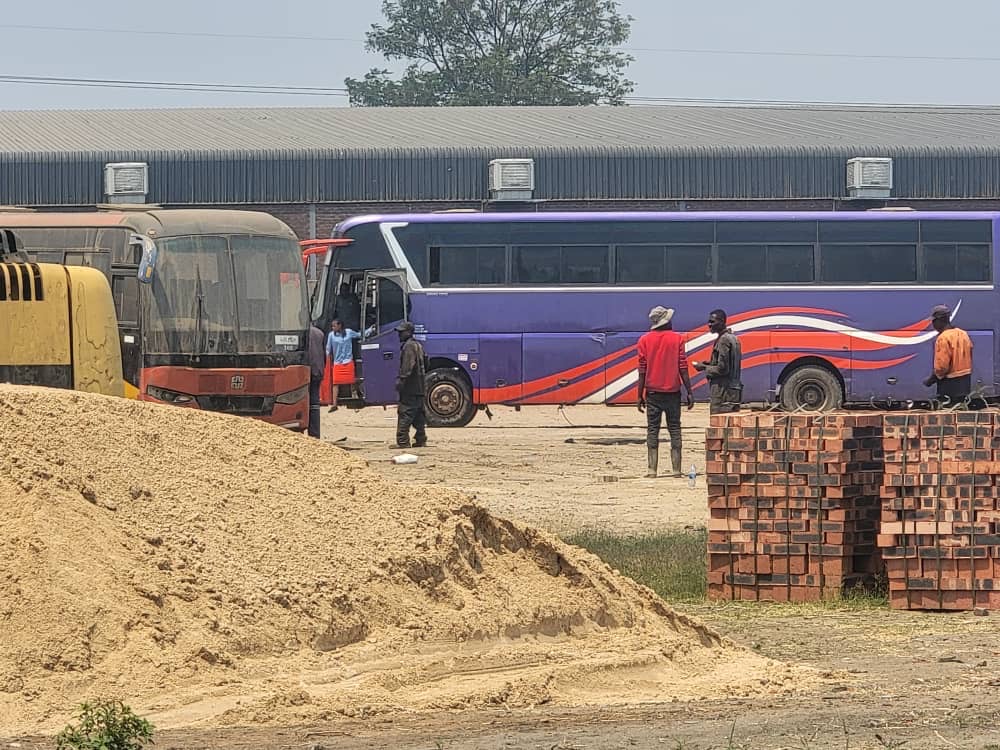
Public transport operators, who rely heavily on diesel and petrol, have already begun reviewing fares following the earlier March increase, with some urban routes in Harare and Bulawayo doubling in price within weeks.
Industry representatives say fuel accounts for the largest share of operating costs, meaning increases are quickly passed on to commuters.
Higher transport costs are expected to push up the price of basic commodities such as mealie-meal, bread, cooking oil, and vegetables, as producers and retailers factor in higher distribution expenses.
Small businesses, farmers, and manufacturers also face increased production costs due to more expensive fuel used in generators, irrigation pumps, and delivery vehicles.
Economic analysts say the ripple effects could extend beyond food prices to school fees, construction costs, and health services, as nearly every sector depends on transport and energy.
Households whose incomes have not kept pace with rising expenses are expected to face increased financial pressure following the latest fuel hikes.
The latest increase follows heightened tension in the Middle East, where attacks on oil and gas facilities have disrupted supply routes and pushed global prices upward.
Officials say the government is monitoring the situation closely, but consumers fear that continued instability could lead to further price adjustments in the coming weeks.
For many Zimbabweans, the comparison with neighbouring SADC countries has sharpened frustration, with calls growing for greater transparency in fuel pricing and stronger measures to cushion citizens from the rising cost of living.