By Staff Reporter
HARARE — Zimbabwe’s fragile public education system is teetering on the brink of collapse, the Amalgamated Rural Teachers Union of Zimbabwe (ARTUZ) has warned in a forceful statement released this week as the 2026 school year approaches.
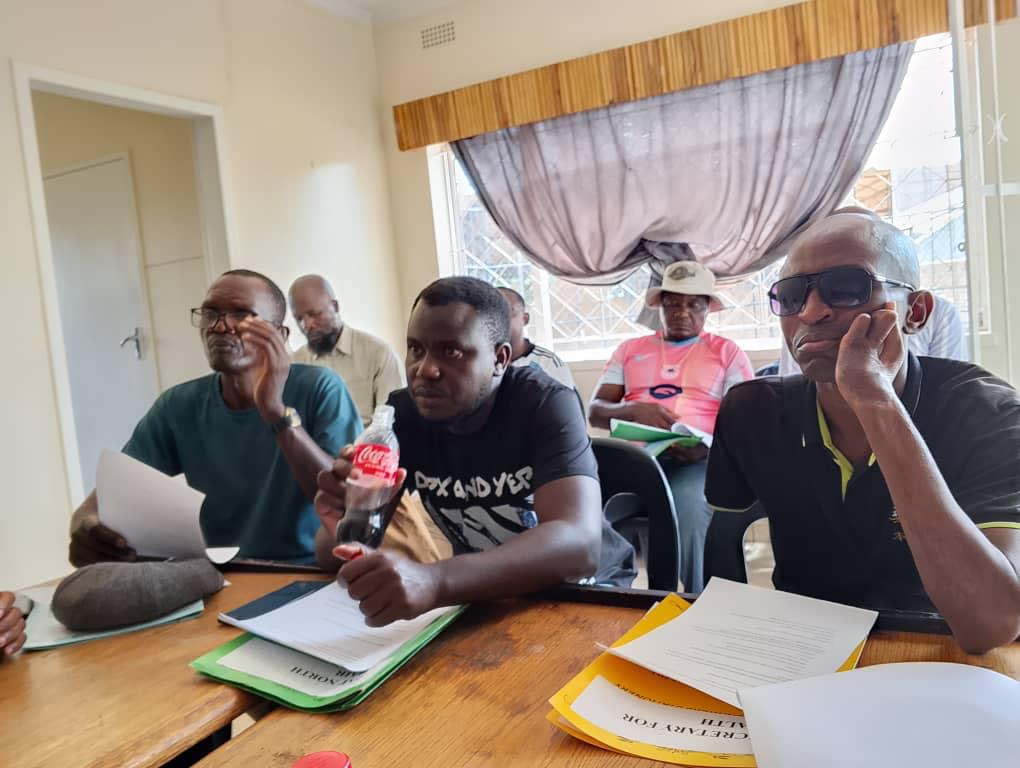
Unveiling findings from its internal National Employment Council (NEC), meeting held ahead of schools opening, ARTUZ said it “noted with anger that learners are leaving public schools in droves.”
The union cited precipitous drops in enrolment at once-prestigious institutions, highlighting one former Group A school in Harare that enrolled only eight Form 1 learners for 2026 — down from more than 1 200 previously.
“Learners and parents have lost faith in public schools,” the statement said, warning that “learners who are leaving the libraries and laboratories from some big public schools are now learning in under-resourced private schools.”
The union’s dire assessment finds support in wider reporting on Zimbabwe’s education sector.
Public schools are grappling with severe teacher shortages, exacerbated by low pay and poor working conditions — forcing many educators to leave the profession or the country entirely.
Recent figures indicate that Zimbabwe is losing as many as 1 200 teachers each month, a trend driven by inadequate salaries and limited opportunities, according to union data and local reporting.
Zimbabwe’s teacher-to-pupil ratio has climbed sharply to 1:45, well above recommended thresholds, intensifying classroom strain and undermining learning outcomes as the recruitment of new teachers remains frozen.
ARTUZ blasted the government for its failure to pay teachers and for denying educators the right to collective bargaining and strike action, moves the union says have pushed teachers into “silent protest mode.”
“The government has failed to pay teachers in public schools and there is very limited learning taking place in our public schools,” the statement read, adding that “when schools open teachers won’t be ready to teach because of poor salaries.”
The union’s criticism echoes continued grievances over stagnant wages, with ARTUZ previously calling for a minimum monthly salary of US $1 260, arguing that current earnings — in many cases around US $300 — are insufficient to cover basic living expenses.
Education analysts and rights groups have long flagged that chronic underfunding, teacher attrition and resource shortages threaten access to quality education in Zimbabwe.
A report earlier this year noted that underfunding and systemic inequities have left many children without even basic schooling, further fueling dropout rates and educational exclusion.
ARTUZ also pointed fingers at public school leadership, saying authorities have “not done enough to retain and attract learners.”
The union warned that the ongoing crisis, if unresolved, could lead to de facto privatisation of education, with serious implications for equity.
“If education is privatized the poor will be excluded and the State may not be able to control what learners consume,” ARTUZ said.
The union urged Zimbabweans to “join hands and fight for the public school,” asserting that government threats and state media messaging will not stem what it calls a “ballooning crisis.”
Government officials have historically maintained that efforts are underway to improve funding and infrastructure, though critics argue that progress has been slow and insufficient to address the sector’s deepening woes.
With schools set to reopen, educators, parents and learners are confronting growing uncertainty, amid concerns over the sustainability of Zimbabwe’s public education system.